


































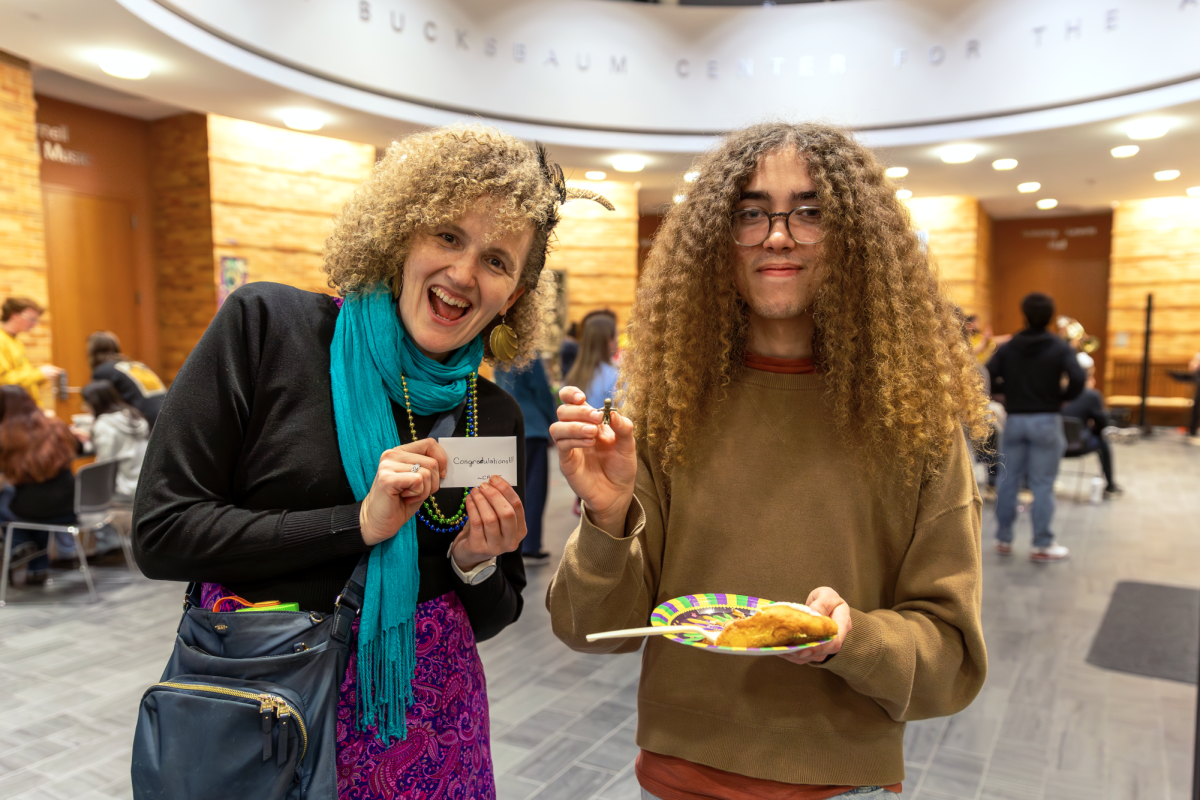
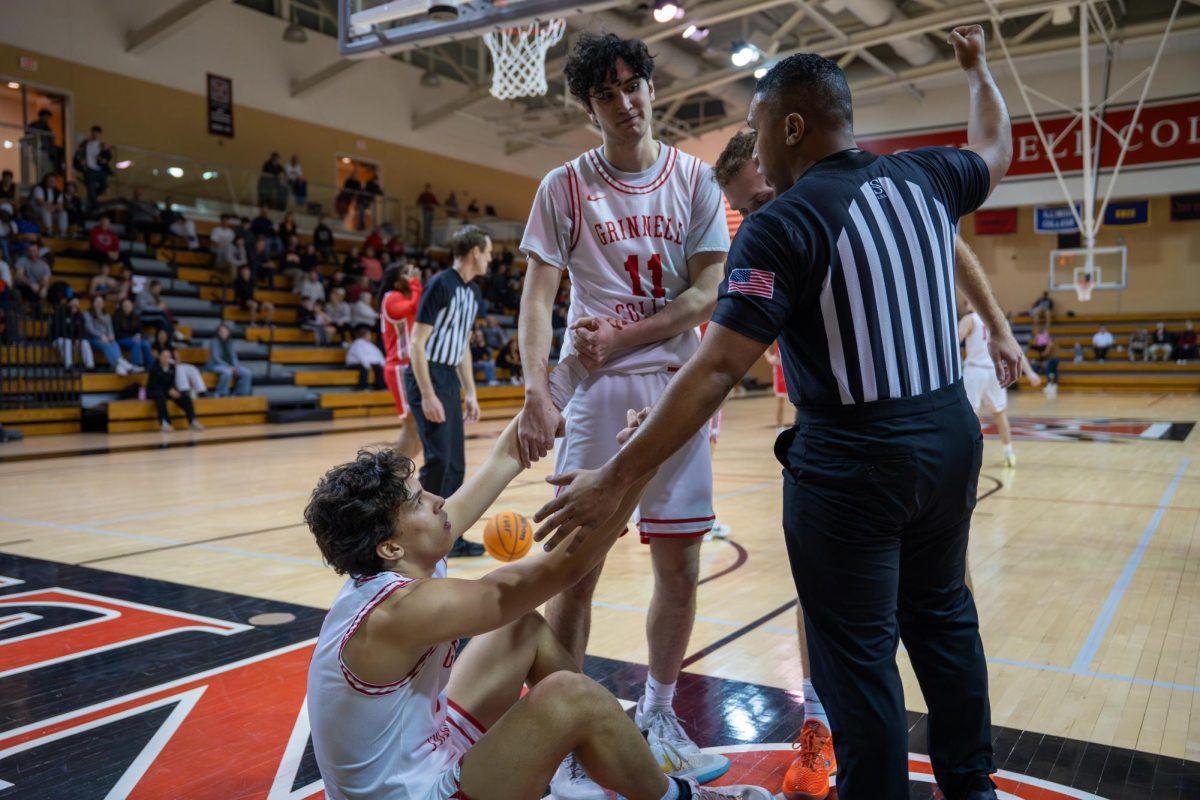


Grinnell’s physical layout forces an intimacy we refuse to acknowledge. We’re crammed into dining halls where conversations bleed across tables. We hear left and right, but I always wonder about the actual distance between me and another person. We’re packed like sardines with full access to each other’s lives and no idea how to act on it. We line up for catered events, someone’s backpack always in your space. We navigate the same narrow sidewalks, see the same faces in Burling, stand behind each other in the dining hall line at 11 am. Grinnell students are nosy. Everyone knows this. But acknowledging what we’ve absorbed feels like crossing a line, so we all pretend otherwise.
My advisor from Catalonia once told me that in Europe, you always say hi to people you know — not doing so would be considered rude. The expectation is simple acknowledgment, a smile, a nod, “eye-tagging”, but not a full conversation. Just recognition that the other person exists and that your previous interaction mattered and that your current interaction builds on and on. On a campus of 1,700 students, these gestures and greetings should be the structure of daily life. The person you bonded with at that overcrowded party on High Street? A quick glance away and you both keep walking. I reach my arm out for a wave, suspended mid-air. How far up does it need to be before they acknowledge it’s there?
In recent years, Grinnell has made belonging an institutional priority — diversity, equity, and belonging are now central to how the college talks about itself. But we as students haven’t caught up. If we struggle with basic acknowledgment of people we’ve already connected with, we’re not building the belonging Grinnell talks about — we’re refusing to do the work it requires. Inclusion means making space for people to show up. Belonging means maintaining that connection once they’re here.
I’ve spent months internalizing this as proof of unfriendliness. When someone I’d connected with didn’t say hi on the sidewalk, I assumed I’d done something wrong. When that deep 2 am conversation led to nothing, I figured they regretted opening up. The avoidance felt personal, like evidence of my own social failure. Someone will read this and think I’m being dramatic. That it’s not that deep. That I’m overthinking a few awkward sidewalk encounters.
But it is that deep. Because we’re not talking about occasional awkwardness — we’re talking about a pattern that shapes how we understand our place in this community. When avoidance becomes the default, looking away is easier than acknowledging each other’s presence. We’re also teaching ourselves that connection here is disposable. That it’s safer to assume indifference than to risk caring.
I understand the precarity. On the days where your social anxiety is overwhelming, where you’re stretched so thin that one more interaction feels impossible, looking away makes sense. I have those days too. Sometimes I’m so exhausted that even saying hi feels like too much. But, sometimes that one brief acknowledgment is the only thing that helps you get through the day.
The thing is, this mutual precarity — this shared understanding that we’re all barely managing — has become a reason to avoid each other entirely. We’ve turned “everyone’s struggling” from a call for collective compassion into justification for isolating ourselves. Mental health awareness was supposed to mean reaching out, checking in, holding space for each other. Grinnell talks constantly about mental health awareness, about creating space for struggle. But somewhere in that conversation, basic acknowledgment started feeling like too much to ask. “Hi” started feeling like an unreasonable demand.
I know I’m not alone in this. We’re all doing it to each other, and we’re all internalizing it the same way — constructing narratives where they’re avoiding me because I overshared, because they heard rumors, because I misread our friendship, because of something I don’t even know I did. Both people walk away with entirely different interpretations of the same non-interaction, both almost certainly wrong and both almost certainly damaging. If you don’t know, just ask.
And what’s happening is that we’re all quietly assuming we’re unwelcome while simultaneously making others feel the same way.
This is how isolation happens on a campus of 1,700 people—through systematic refusal to acknowledge the proximity, intimacy, and relationality already shaping our lives. The intimacy of this campus isn’t optional. We’re already so much in each other’s lives. So maybe we could keep saying hi, even on the hard days. Acknowledge people whose presence has shaped your time here. When someone says hi to you, recognize what it actually is — someone else navigating the same precarity you are, choosing acknowledgment over social avoidance.
We share these tight, cramped spaces. We could at least stop making each other feel unwelcome for existing in them. The intimacy is already here. We just have to stop pretending it isn’t.


crosby • Feb 3, 2026 at 2:46 pm
I used to say a casual “hello” to almost everybody I passed but, with more people wearing headphones, I do so much less because then I would be interrupting them and it would no longer just be a casual “hello” but an intrusion.
Mykenzie • Feb 2, 2026 at 3:53 pm
!!!!