















Grinnell College is piloting a program titled Retention, Student Success, Validation and Progression (RSVP) centered around first-year students, with the goal of fostering connection and belonging.
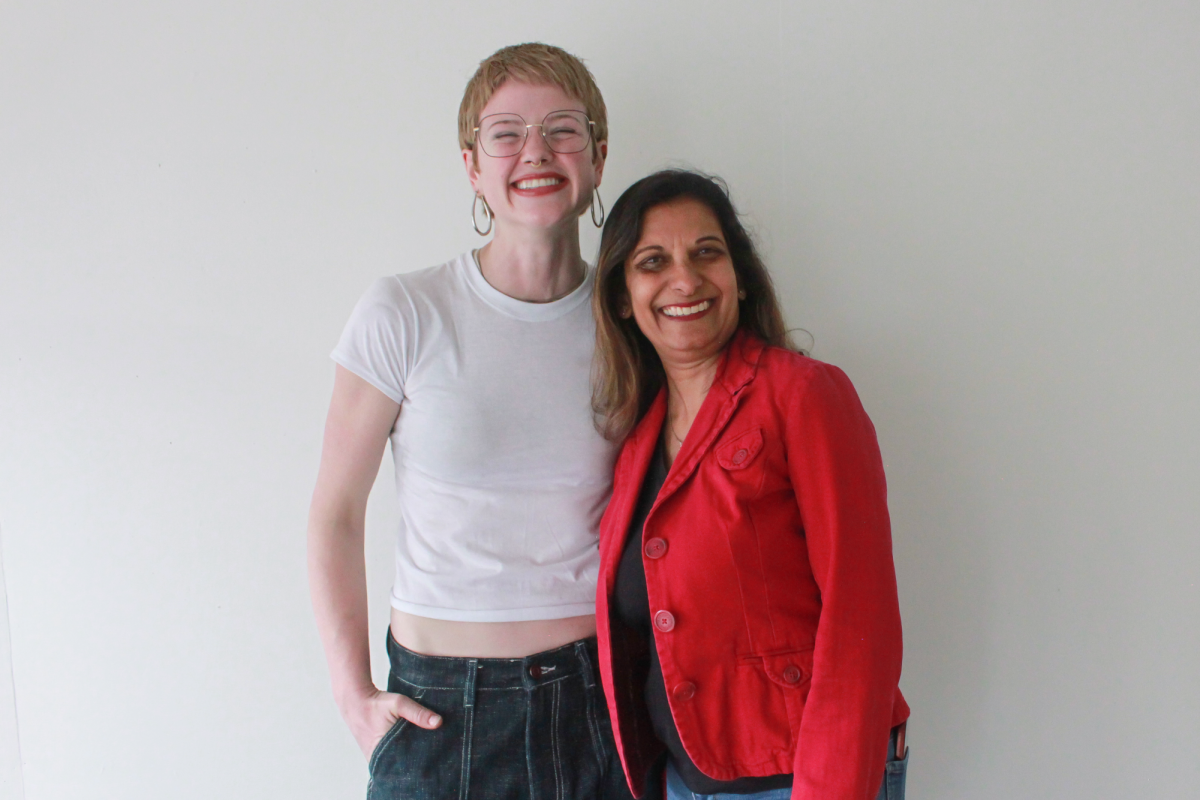
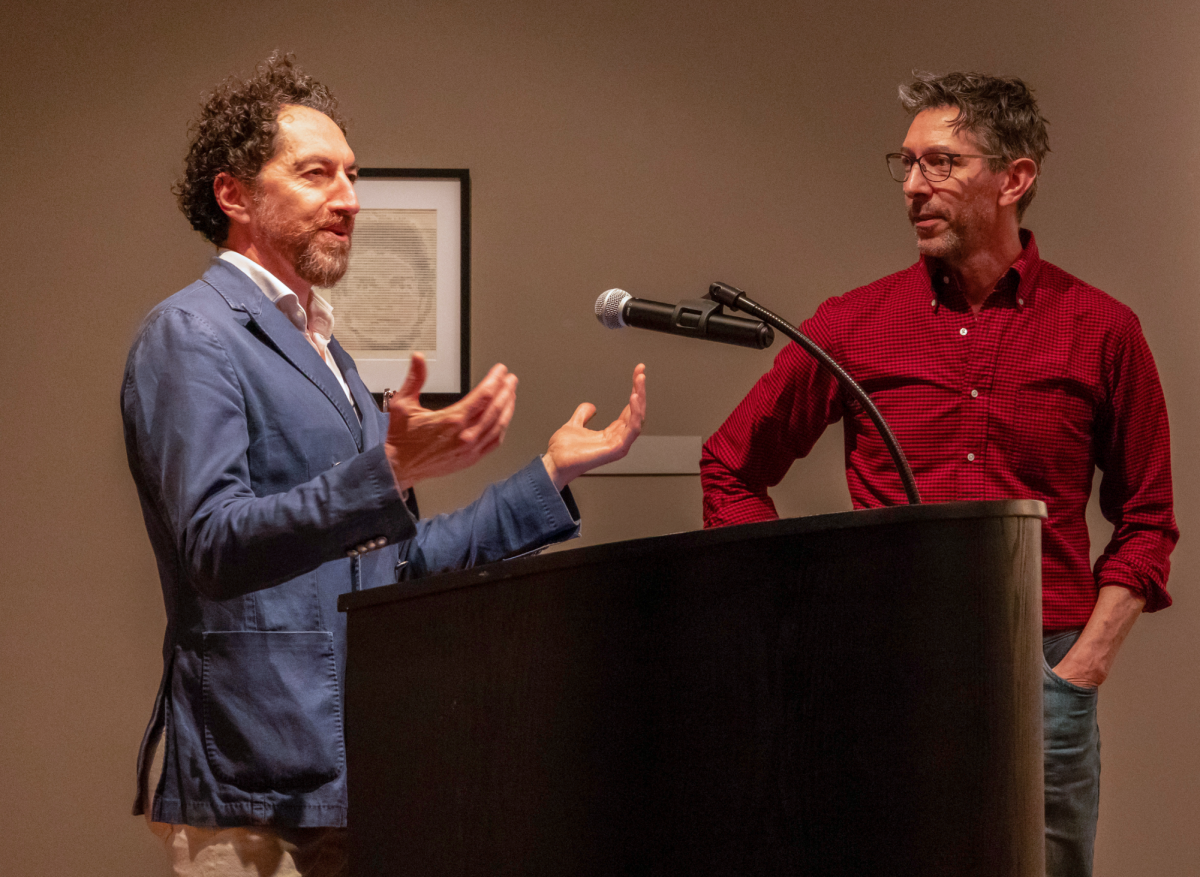
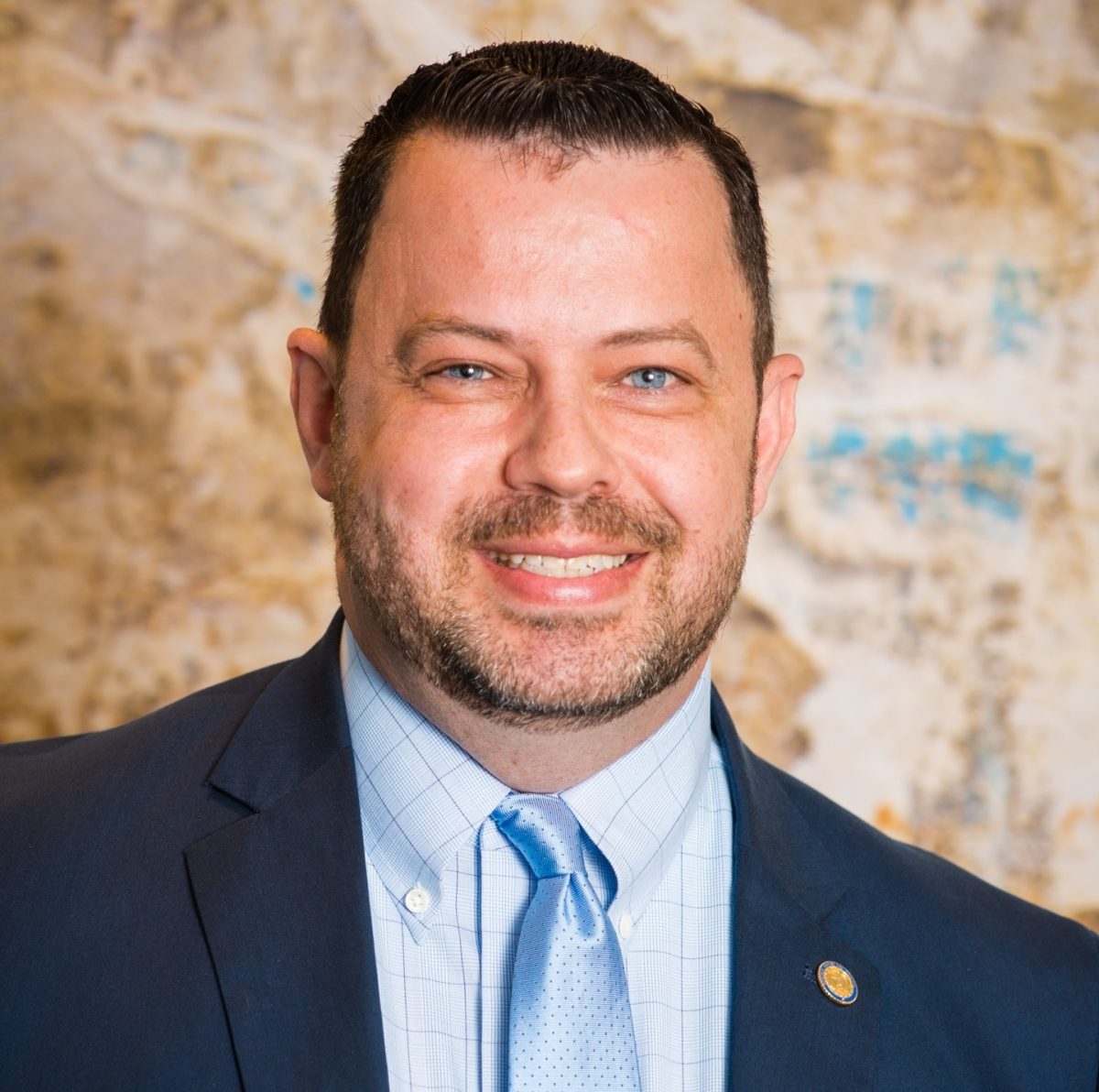
This pilot, which is taking place for the first six weeks of classes, was a result of a conversation over the summer between Joe Bagnoli, the vice president of enrollment and the dean of admission and financial aid, and Jerry Seaman, the special advisor to the president for strategy.
“The RSVP Program grew out of a conversation that Jerry Seaman and I were having about the reality that there are so many things going on, so many options and opportunities for students, but not every student feels the same level of comfort in participating in all of those things, especially if they’re thinking about going on their own,” said Bagnoli.
Feeling of isolation is a large factor that makes adjusting to college difficult, Bagnoli emphasized.
However, he said, “We also know that students who come [to Grinnell] as part of an organized group already have an easier time.”
The two considered the Mayo Clinic’s W Curve model of the college student experience when they were designing this pilot.

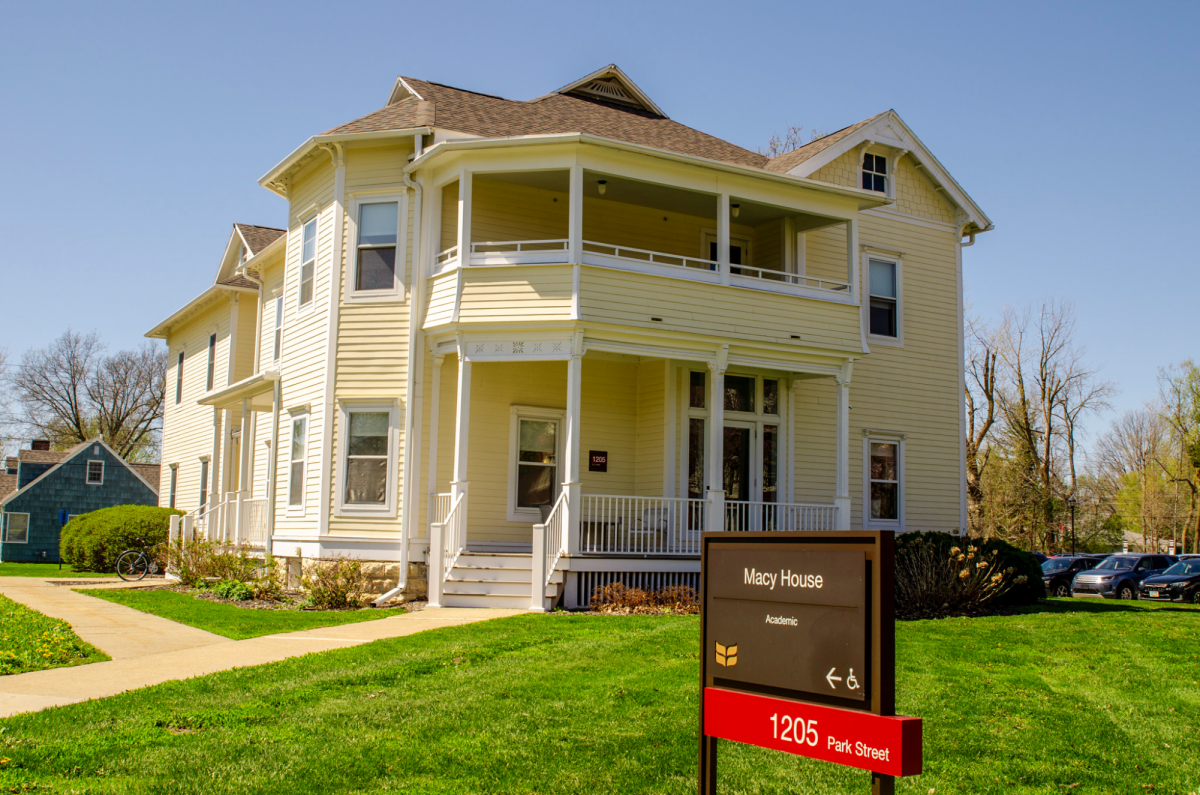
Nollen House. (Rihaan Bhansali)
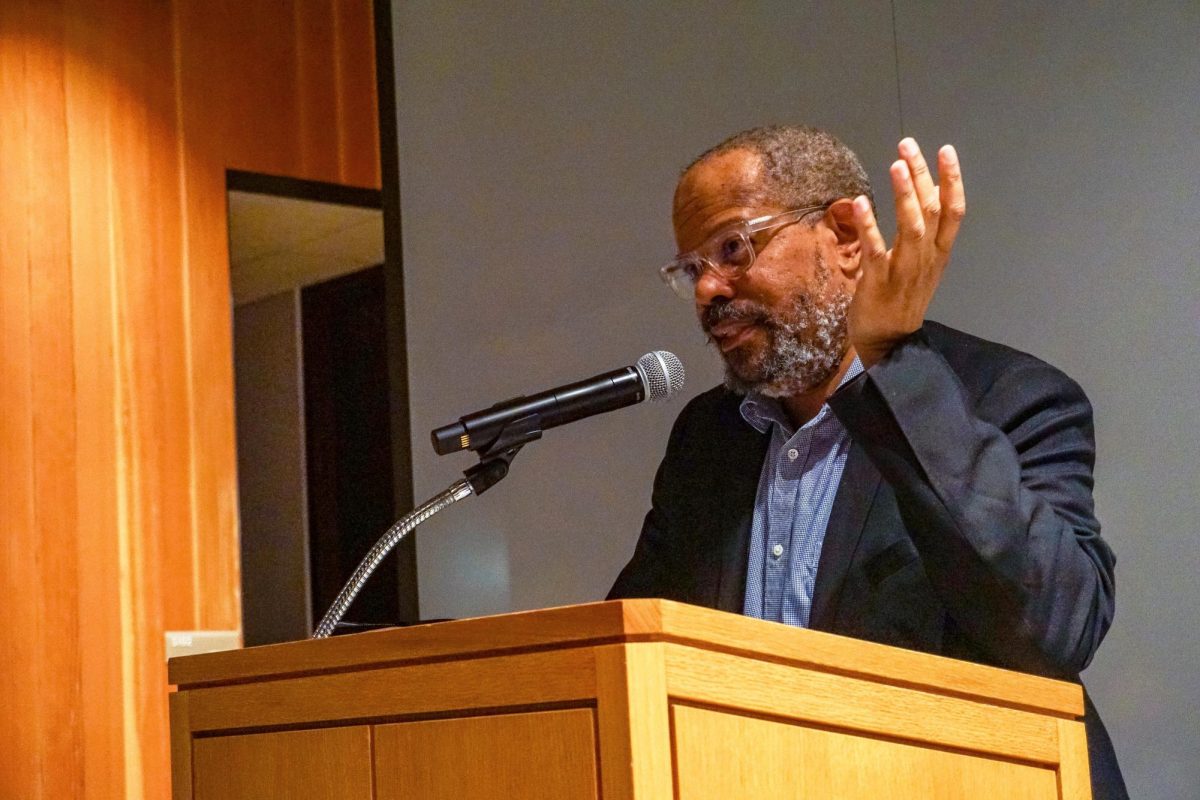
“You go through these ups and downs in the beginning as a student, and really the first six weeks are vitally important. Most students who come to Grinnell stay at Grinnell, but they need to work through ups and downs, and the first six weeks are the rockiest. That’s why we said ‘let’s work with first-year students, and let’s work as teams,’” Seaman said.
Tutorials taught by professors Elaine Marzluff, Liz Rodrigues and Gemma Sala are participating in this pilot.
The students in these tutorials receive paper invitations from “hosts” inviting them to certain school-sanctioned events.
These hosts are volunteers from a variety of offices focused on student support, including the Division of Student Affairs, the Center for Careers, Life and Service and the Office of Diversity, Equity and Inclusion.
At the event, the hosts and students will simply get together and talk about what’s on their minds.
“It’s about relieving pressure, not adding pressure,” said Seaman.
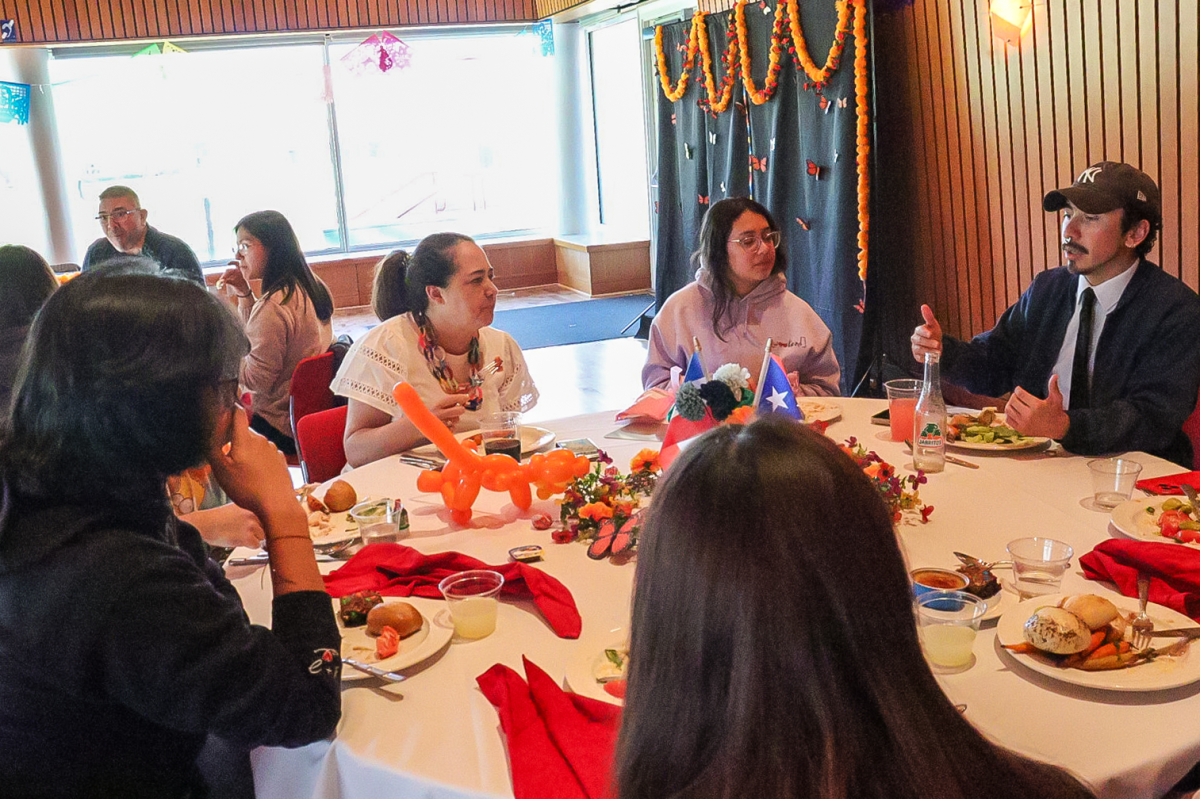
“Our purpose is just to say, ‘hey, let’s go together.’” Bagnoli said. “Then, if you should find that you have questions and you’re not sure where to go … or you’re feeling like you need a little support… you’ll know us [the hosts], you’ll now our names, you’ll know our faces, and you’ll know that we’re here for you.”
So far, four events have been scheduled with the hosts. The Student Involvement Fair and Lunch with the Hosts have already occurred. The Student Involvement Fair took place at the Civic Innovation Pavillion in Renfrow Hall on Aug. 27, providing pizza and a place for connection.
“Well over 50 percent of the [invited] students came, and I think we’ll probably do at least that well at our next event,” said Seaman.
Seaman and Bagnoli said that they are unsure of the program’s future.
“We’re just experimenting to see, ‘Does this help the students?’” Bagnoli said.
Bagnoli explained that the transition to higher education, potentially living very far from home, can be very challenging.
“I think Grinnell generally brings people out of their shell because I think people are generally valued here and they’re valued for who they are, not who they know or what they have,” Bagnoli said. “But it can take a little while, and hopefully students participating in the program will get there quicker.”