


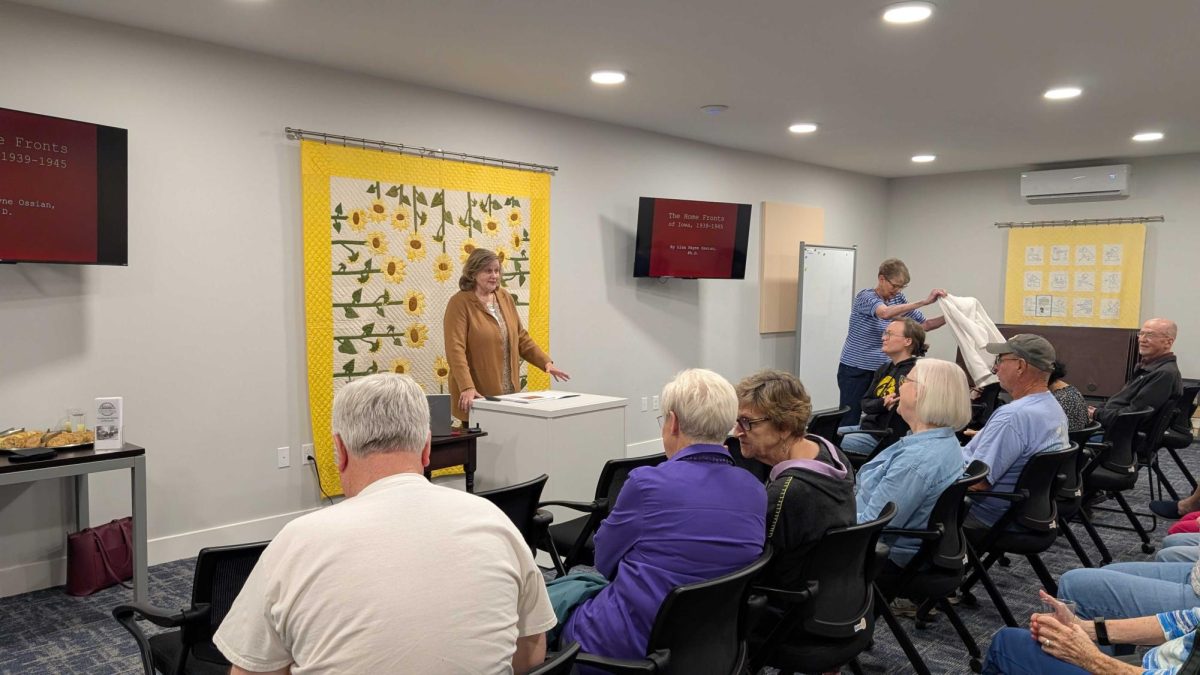

















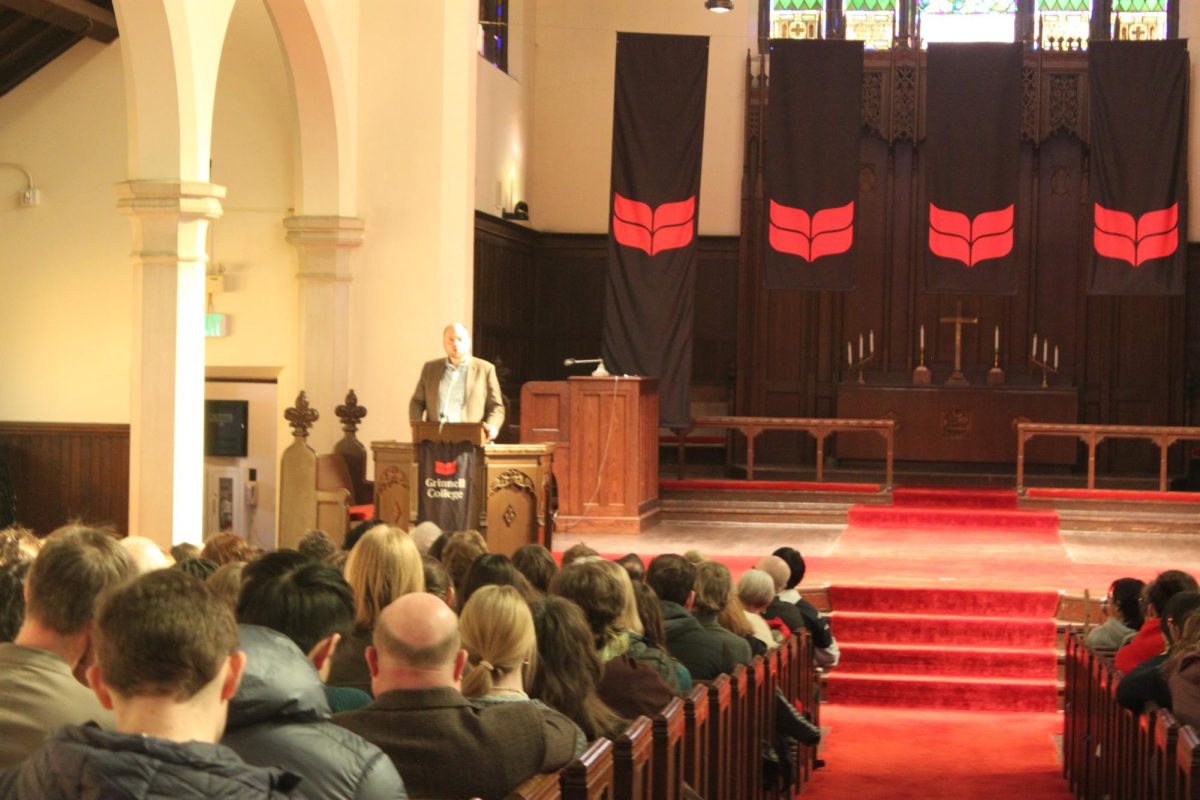
Grinnell’s Scholars’ Convocation, a program that has been part of campus life for more than four decades, has decreased in frequency.
During its first two decades, convocations were held weekly, but this semester, only three events remain.
Established in the late 1970s alongside Grinnell’s open curriculum, the Scholars’ Convocation was designed to explore the role of the liberal arts in modern society, according to an S&B article from Sept. 7, 1979.
By inviting distinguished speakers from a wide range of fields, the program offers students and faculty opportunities to encounter ideas beyond their primary disciplines.
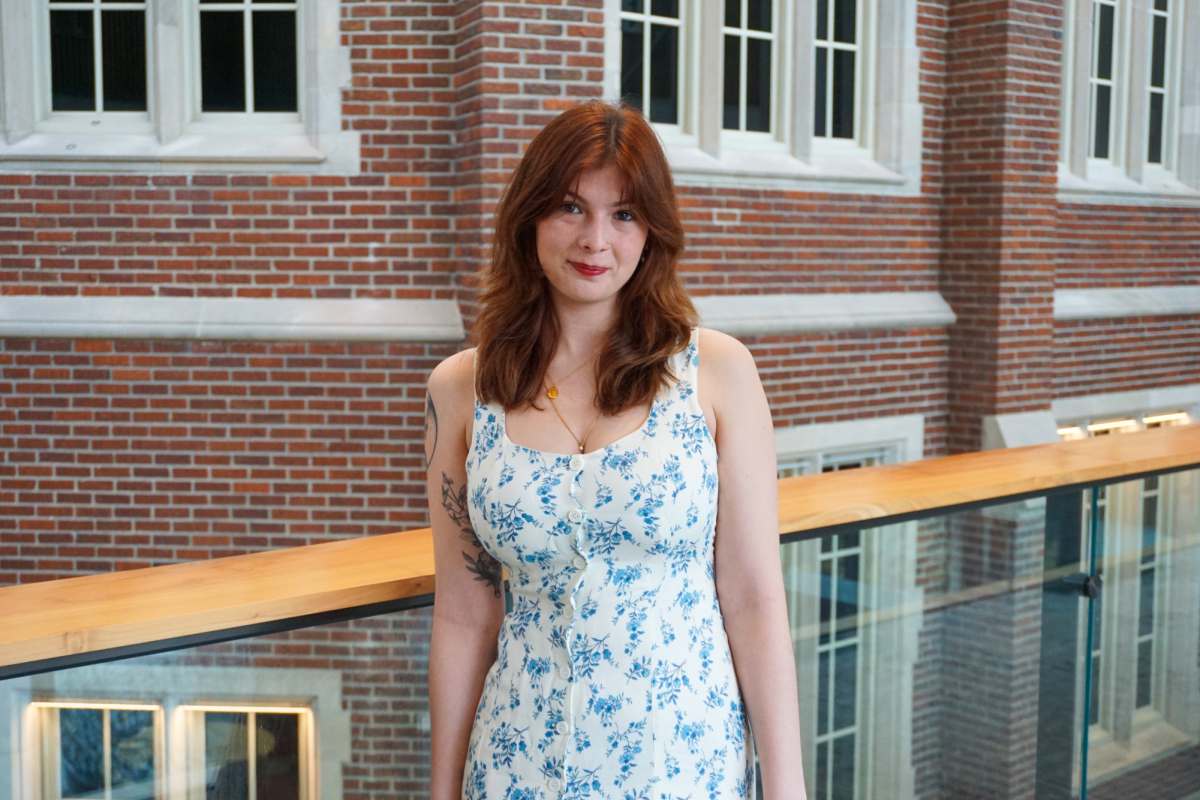
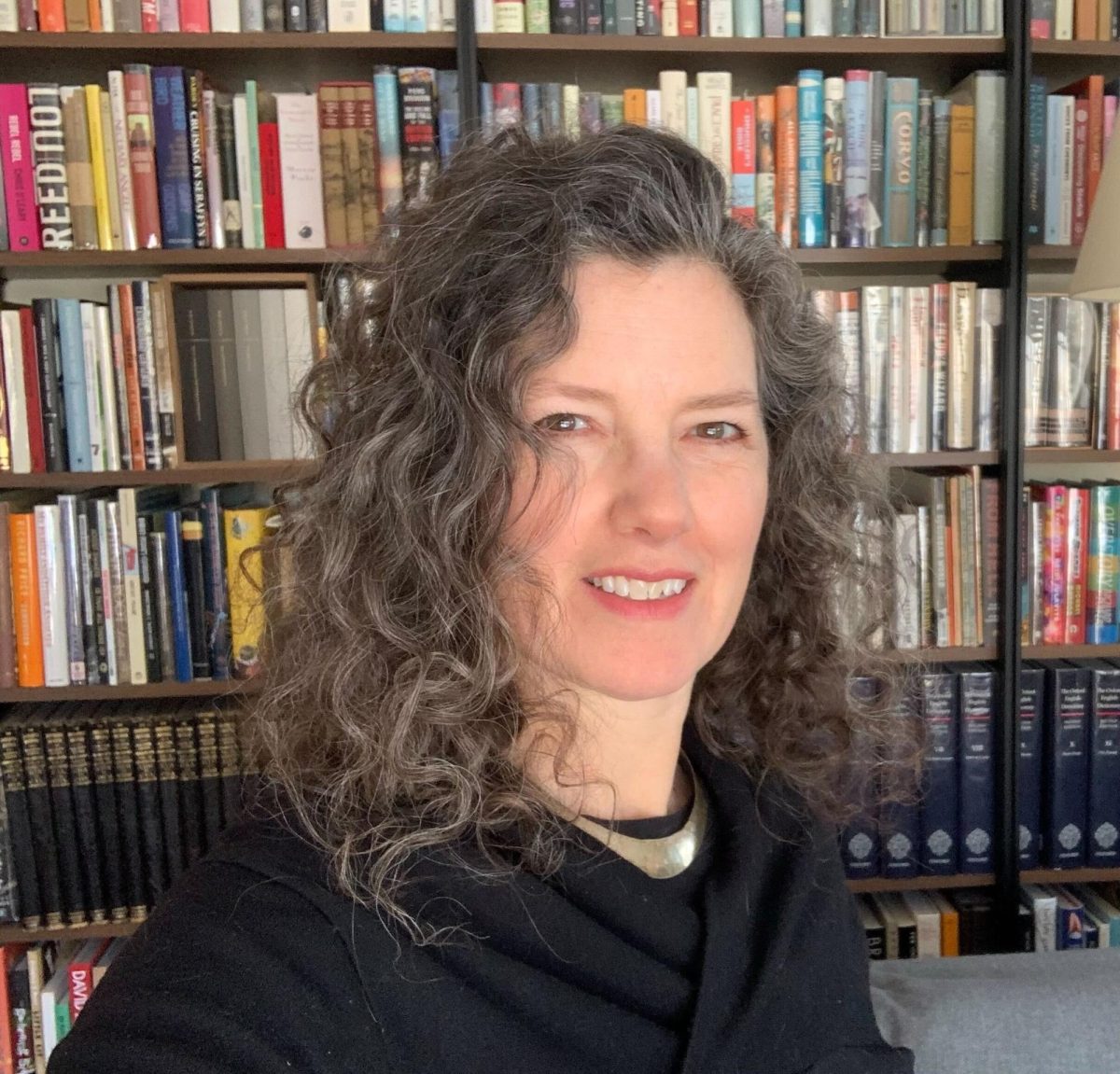
Professor Sarah Purcell `92, a current faculty member who attended the convocation regularly as a student, reflected on the convocation’s role during her student years.
“It was emphasized even slightly more as part of the tutorial. And my own first-year tutorial actually had a series of convocation lectures that were tied to the theme of the convocation. So that was my introduction to it,” she said.
Purcell said the decline in attention and engagement became especially noticeable after the COVID-19 pandemic.
“I think the biggest changes lately are that we’re still coming back from COVID, and I think people’s attention spans are different in the current day,” Purcell said.
“People have become more attached to our gadgets, and we’re not as accustomed to sitting in a room together and connecting collectively with an engaging speaker,” she said.
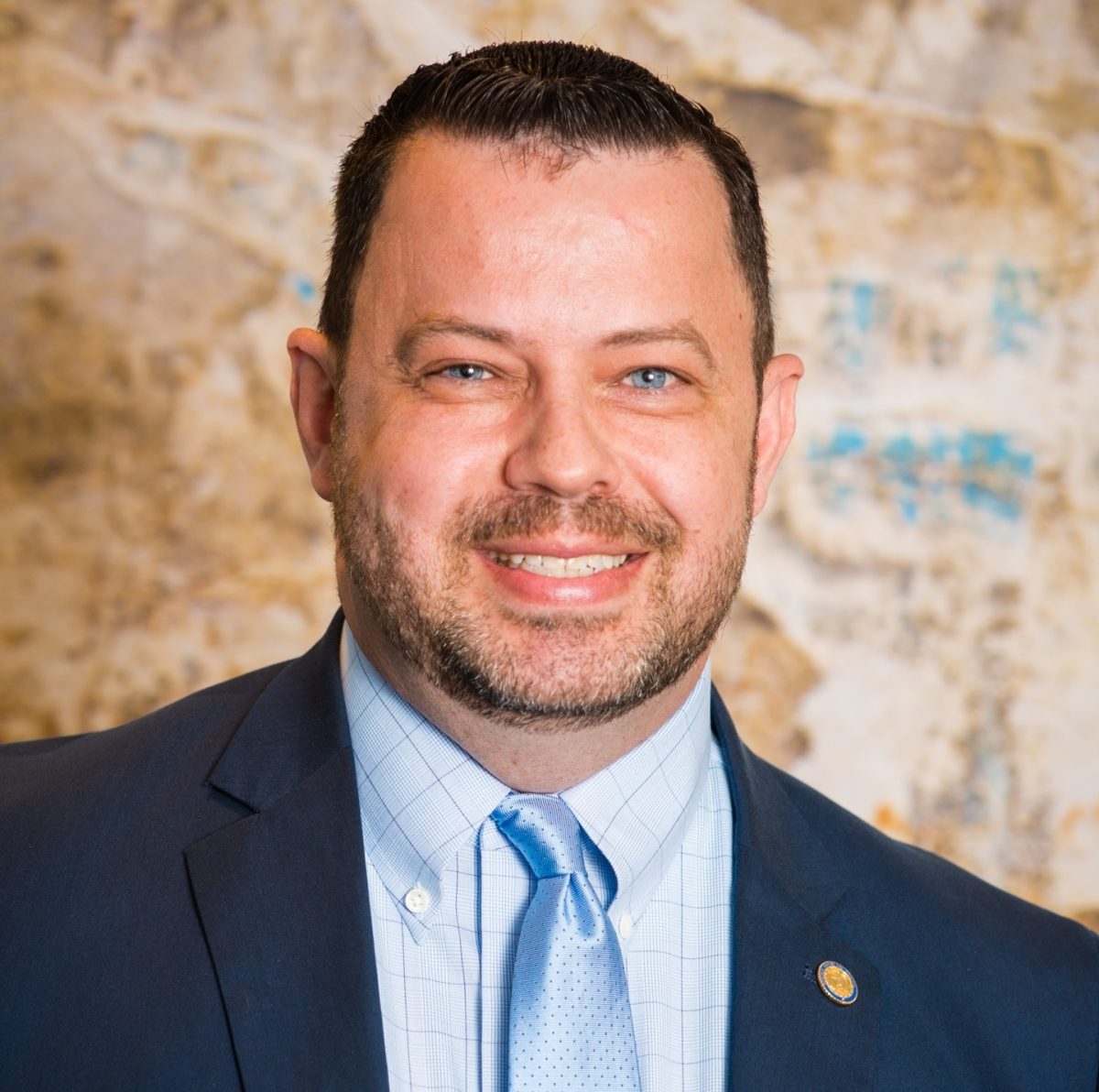
Professor Edward Cohn, director of the Rosenfield Program in Public Affairs, International Relations and Human Rights, echoed this concern.
“There were several years where we didn’t have many events, and people got out of the habit of going to them,” Cohn said. “I think we’re only now recovering from the effects of COVID on the campus community.”
Cohn also emphasized the importance of consistency in building engagement.
“Way back in the day, people knew that every Thursday would be a convo talk,” he said. “The lack of regularity has meant that people are less likely to attend.”
At the same time, Purcell said viewing the past through an overly nostalgic lens can be misleading.
“It didn’t all used to have 600 people, at least in the past 30 years,” she said. “You probably shouldn’t judge it by some golden age of convocation, which has just shifted dramatically over time.”
Financial constraints have also played a role in shaping the program. According to Cohn, the convocation budget limited the number of events that can be supported through the committee.
“The budget has not kept up with inflation and has been cut over time,” he said. “We’re able to support fewer events than we were in the past.”
Despite these challenges, Cohn expressed optimism about the program’s current trajectory. Several recent events have drawn strong attendance, suggesting renewed interest within the campus community.
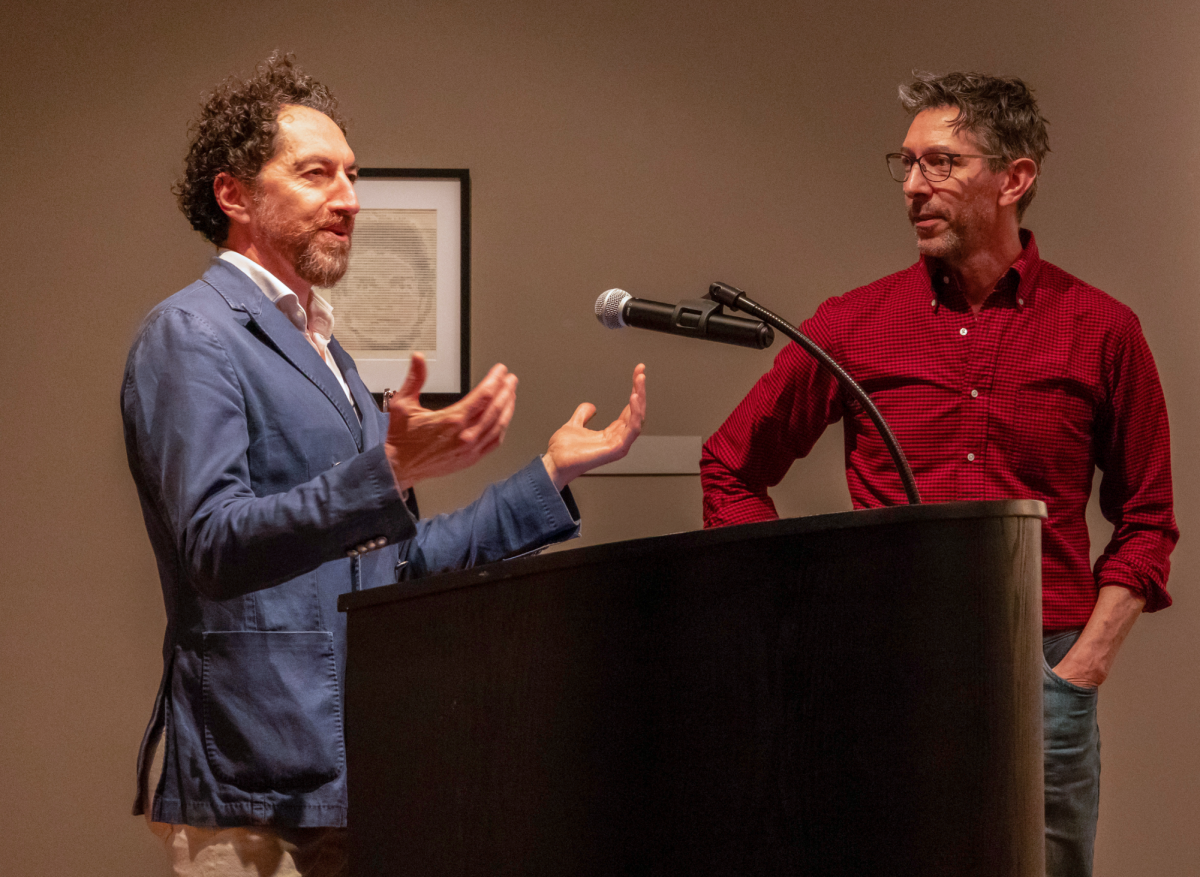
“The talk by [Russian dissident Vladimir] Kara-Murza was the best-attended talk at Grinnell in 11 years,” Cohn said. “Stephanie Quinn-Davidson had one in October called ‘Listening to the river’ that also got a really good turnout. So I think we have some momentum behind the convo program,” he said.
Purcell said that the program’s core purpose remains intact.
“I don’t think the role of convocation has necessarily changed,” she said. “It was encouraging to see recent events so well attended and to have so many people engaged.”
Nina Ranalli `26, a member of the Rosenfield executive committee, said that convocations have become increasingly well attended over the past year.
“Since last fall, Scholars’ Convocations have been becoming more robust compared to what they used to be,” Ranalli said. “I enjoy seeing many of the events be well attended.”
Ranalli attributed this improvement to more intentional outreach and a deliberate effort to invite speakers whose work appeals to a wide range of academic interests.
“We do a lot of tabling, social media promotion and in-person communication,” she said.
For Ranalli, the accessibility of the program is one of its greatest strengths.
“The opportunity to attend scholarly talks without barriers of cost, year or discipline enriches my day-to-day life as an undergraduate,” she said. “It’s a worthwhile break from coursework.”
Purcell also emphasized the continued importance of gathering in person.
“We’re still a residential liberal arts college. We value face-to-face interaction,” Purcell said.
“Even if society is changing and our attention spans are challenged, it’s really worthwhile to try to have in-person events,” she said.
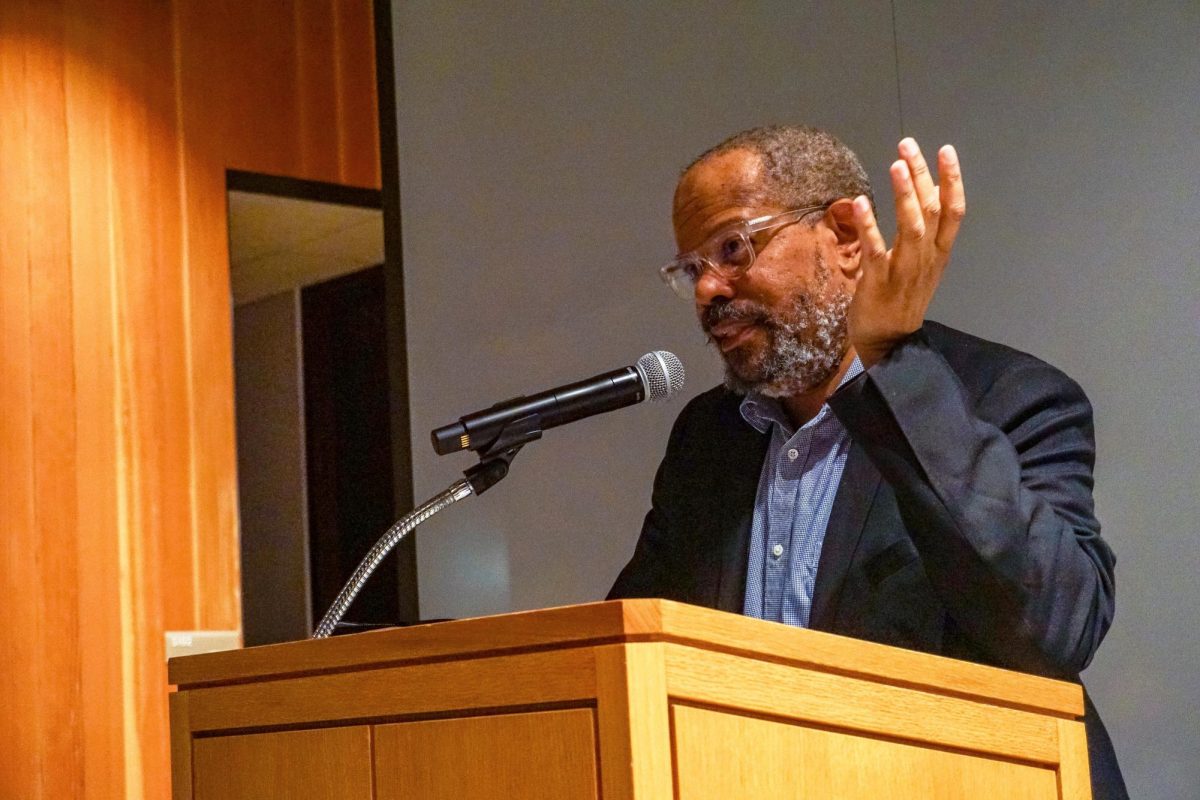
The next Scholars’ Convocation will take place on March 26 and will feature Dr. David Treuer, presenting “Imagining Native Futures.”