









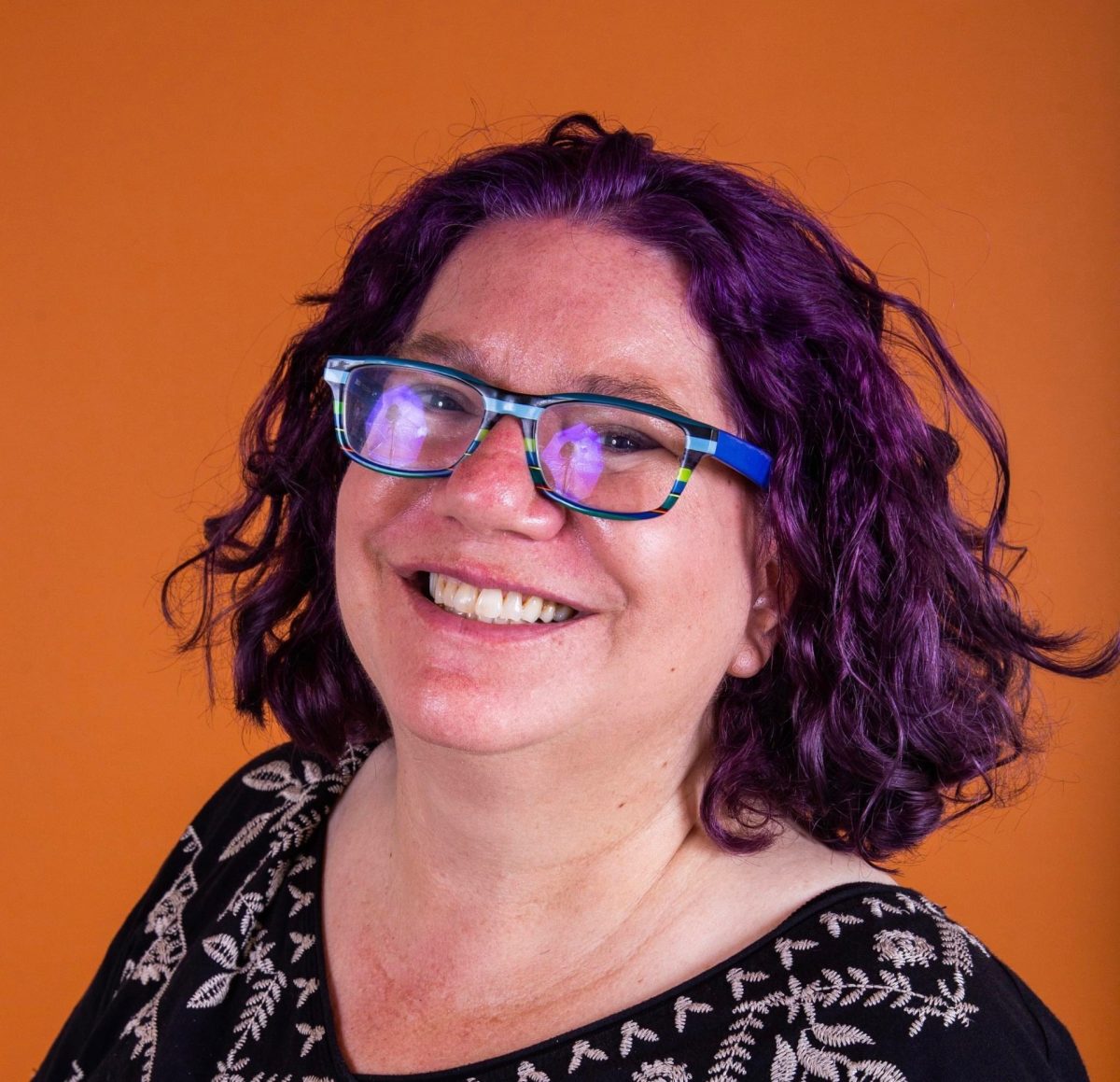
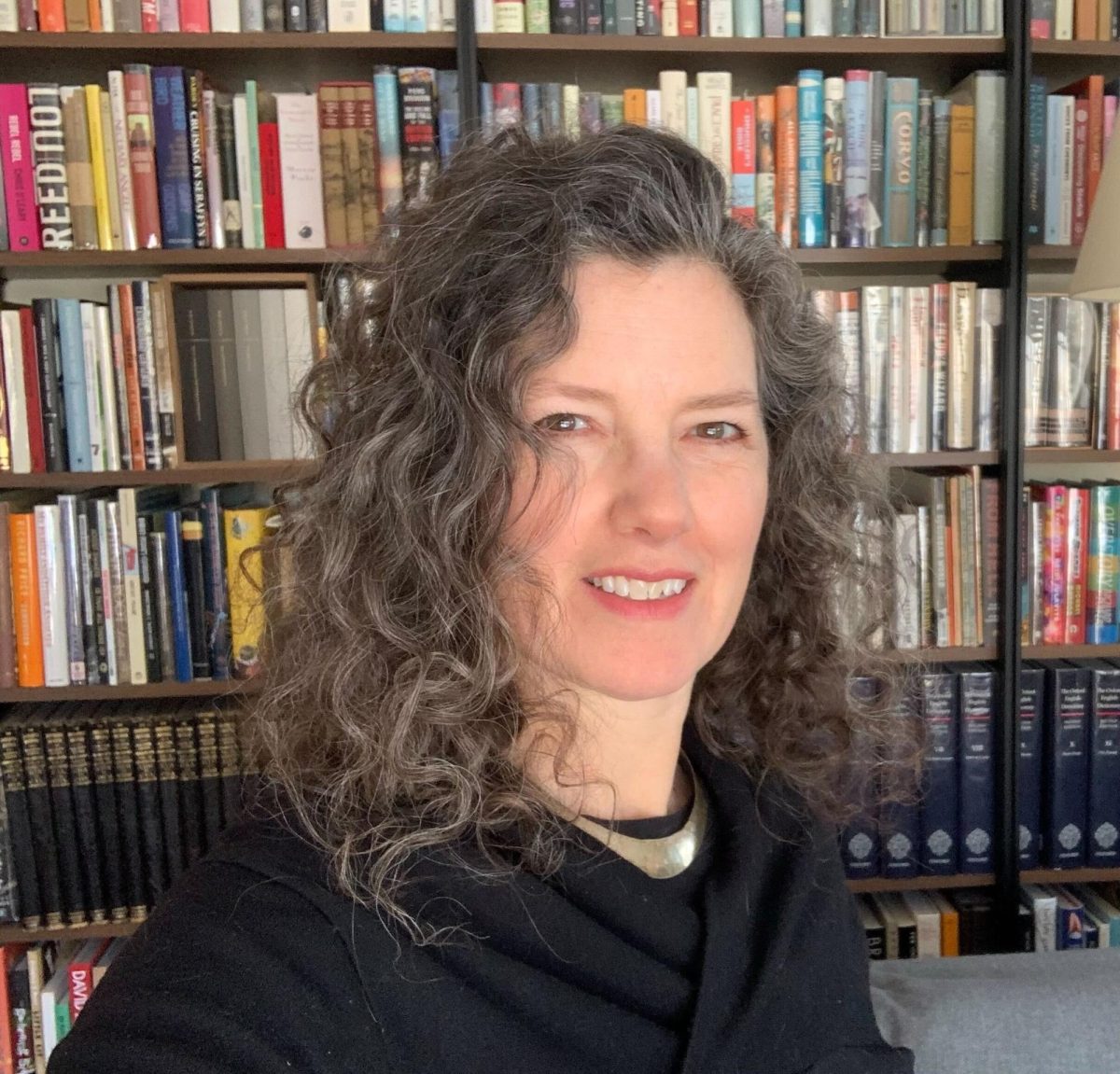


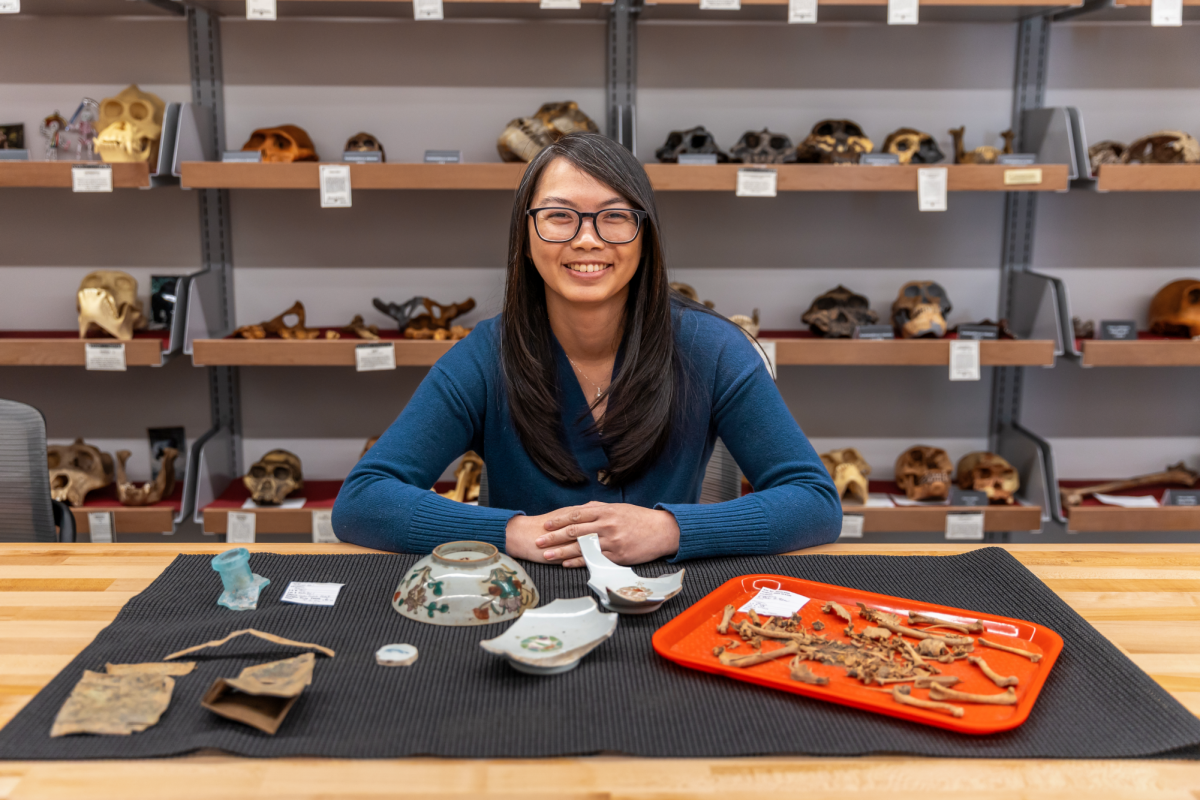
The Far Western Foundation recently awarded a $10,000 grant to Anthropology Professor Laura Ng’s research project, titled “Wyoming Chinatowns and Emigrant Home Villages: Archaeologies of Labor, Racial Violence, and Transnationalism.”
The project focuses on the towns of Evanston and Rock Springs, Wyo., which are historical Chinatowns built by the Union Pacific Railroad Company during the mid-19th century.
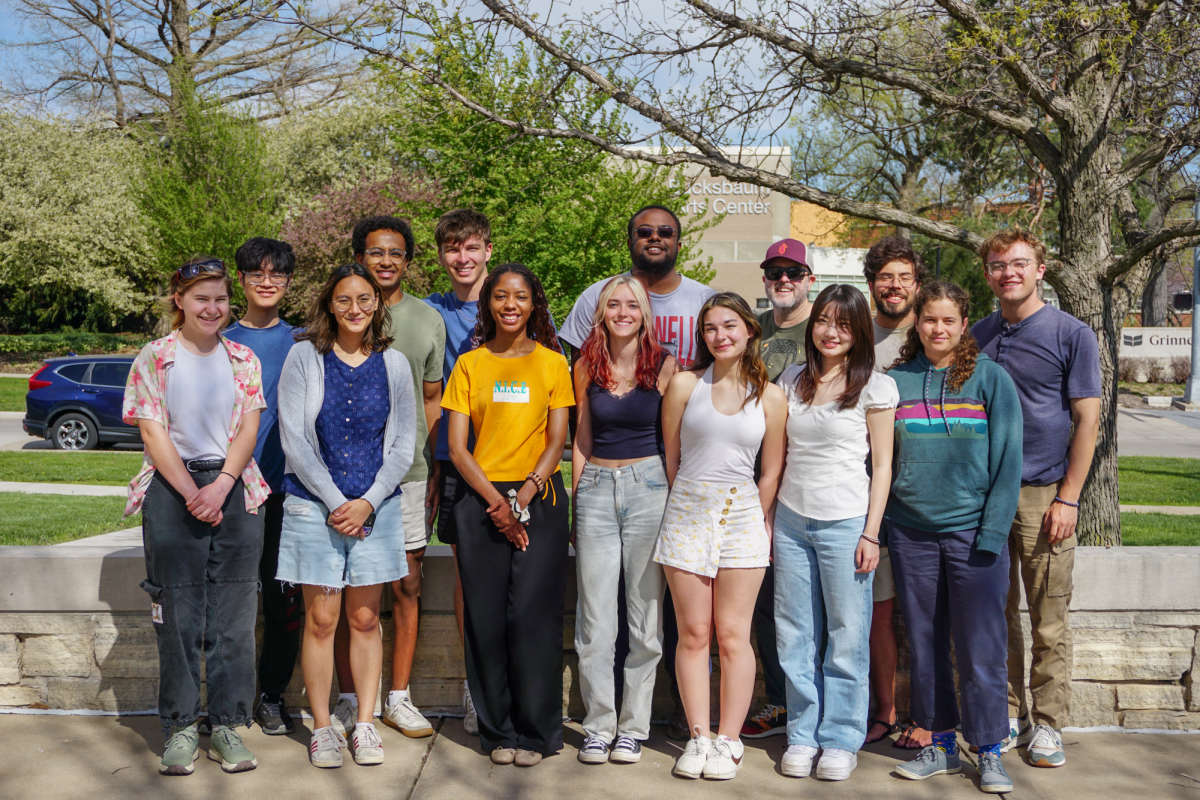
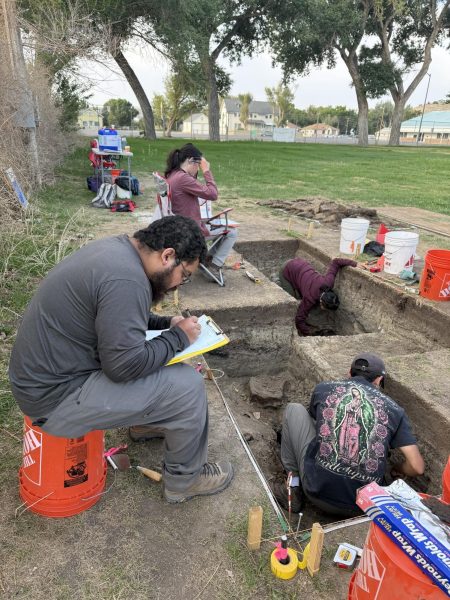
Last summer, Ng and student researchers traveled to Rock Springs, Wyo., a Chinatown where a massacre occurred in 1885 against the Chinese workers.
The dig followed up on the findings from Ng’s previous research team regarding evidence of the massacre.
They collected and catalogued other artifacts found there to find out more about the transnational identities of the Chinese workers living in these areas.
Ng said this grant will allow her to hire paid research assistants during the academic year, pay for her lodging for the upcoming summer Rock Springs, Wyo. excavation and help fund her airfare and hotels for an academic trip to China to study transnationalism.
“They just want to help fund interesting projects that are collaborative and contribute to understanding marginalized communities in the past,” said Ng.
The Far Western Foundation, an organization founded by the Far Western Anthropological Research Group, is a grant-giving organization that supports a variety of anthropological research ventures, with a focus on supporting diverse projects within the American West.
“Anthropology, archaeology, ethnography and the humanities in general have been in decline, if not under attack, in recent years,” wrote Far Western Foundation President Kelly McGuire in an email to The S&B. “Our foundation sees itself as a counterweight to these trends.”
“Chinese 19th century migration to the United States is such a story, but was fraught with pervasive racism and marginalization,” he wrote. “Laura’s research is advancing our understanding of these histories.”
With the project’s focus on the Wyoming Chinatowns of Evanston and Rock Springs, a goal is to bring public knowledge back to long-forgotten or downplayed Chinese history.
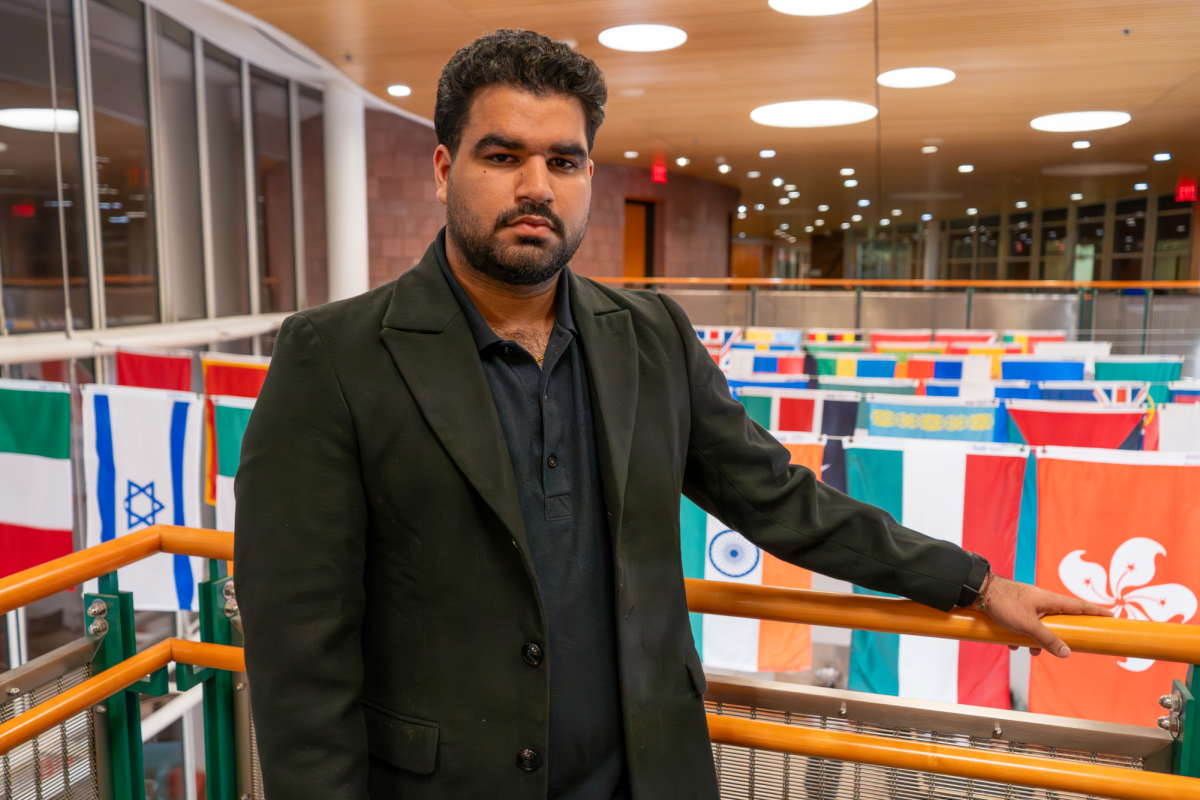
Jorge Salinas `26, one of Ng’s research assistants during the Mentored Advanced Project (MAP) last summer, said he finds researching Chinatowns in Wyoming fascinating because Wyoming is a location that most would not expect to hear when discussing Chinatowns.
He said people he spoke to about the project were often confused that Chinatowns existed in Wyoming.
“It’s that kind of statement alone that very much gives into the attitudes and mindsets we’re working against,” said Salinas.
Ng said this will be the third year that the project includes students working in the field.
“Professor Ng also made this an opportunity for students interested in archaeology to be able to get their hands in the field, because it can be inaccessible,” said Research Assistant Avajane Lei `28.
She said traditional field schools, or the schools that an archaeologist must attend for field training, are very expensive.
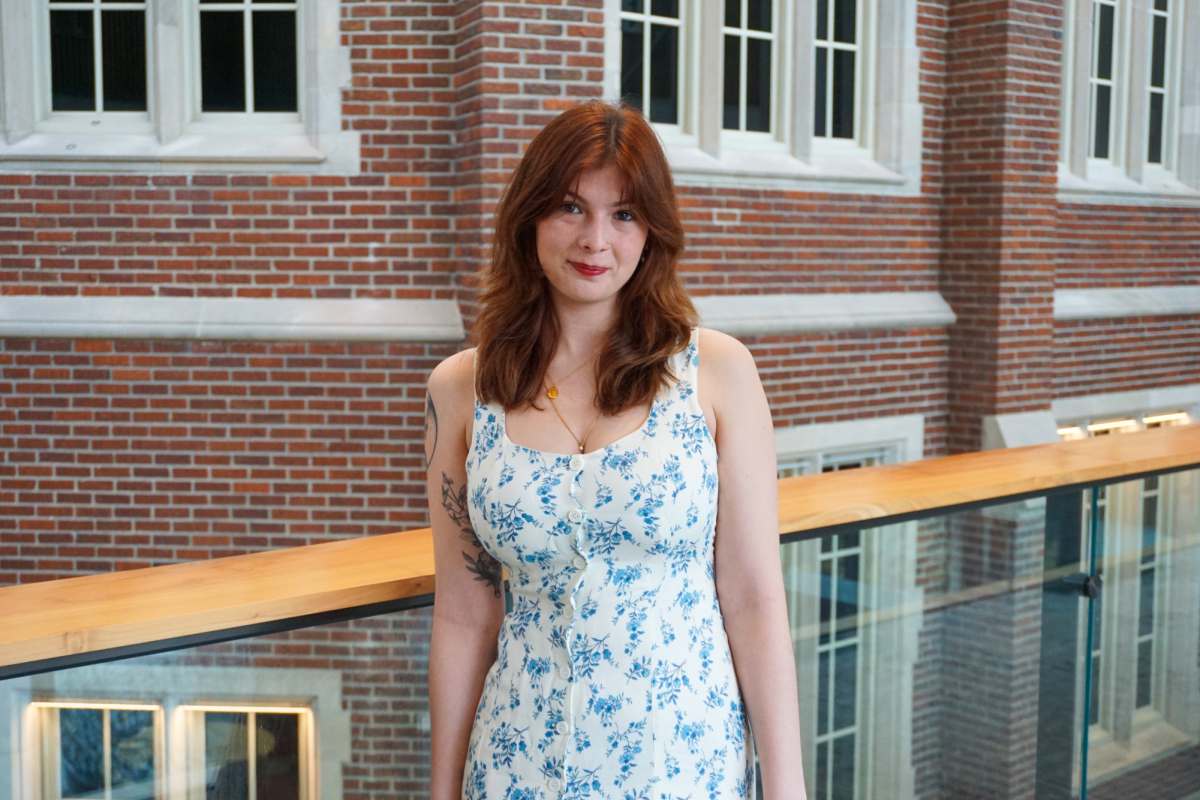
Julia Ghorai `27, one of the research assistants whose position next year will be funded by the grant, said she was able to be a part of the first unit to find obvious evidence of a burn layer, or an area of soil where there was evidence of burning from the massacres in Rock Springs.
Ghorai said the team eventually dug through layers of hard soil to find burnt wood and evidence of burnt structures.
Up until this point, there was no clear evidence that this burn layer existed, only suspicions from previous researchers.
The research team also uncovered a basement within the burn layer, likely belonging to a Chinese American at the time of the massacre.
“It just felt really surreal to be like, we found this thing that people have been looking for, and some people have thought they’ve found for decades,” said Ghorai.
For their discoveries, the research team gained publicity, including having stories published about their research in NPR and The New Yorker.
“It’s one thing to look at everything we’re discovering about this community that people have chosen to turn a blind eye to, but that work really doesn’t matter unless the public’s hearing about it,” said Salinas.
For that reason, each of the research assistants, in addition to their cataloguing work and excavation work, helped create public-facing blog posts on Ng’s blog titled “Buried Chinatowns.”
Salinas said this blog helps to increase public accessibility, as there are no paywalls. The information is also more accessible to the descendants of the Chinese Americans who survived the massacre.
Ng said that after looking into historical records and tracking down descendants to speak with them, many were left unaware of the massacre that their families had gone through.
“The historical collective memory of this event in the Chinese-American community has not been preserved through oral history and family history,” said Ng.
Many of the research assistants said speaking with descendants became a crucial part of their mission.
“Talking to descendants is a big part of what we do, making sure their lives are understood and explored,” said Research Assistant Luis Lopez `26. “Making sure something like this doesn’t happen again and that we understand the context it occurred in while being able to highlight the daily lives that were founded and created by Chinatowns.”
“[The grant] does help us produce a lot more,” said Ghorai. “Chinese diaspora archaeology is a really small field and Professor Ng, specifically, is one of the only Chinese Americans in Chinese diaspora archeology. Her perspective is invaluable.”