














































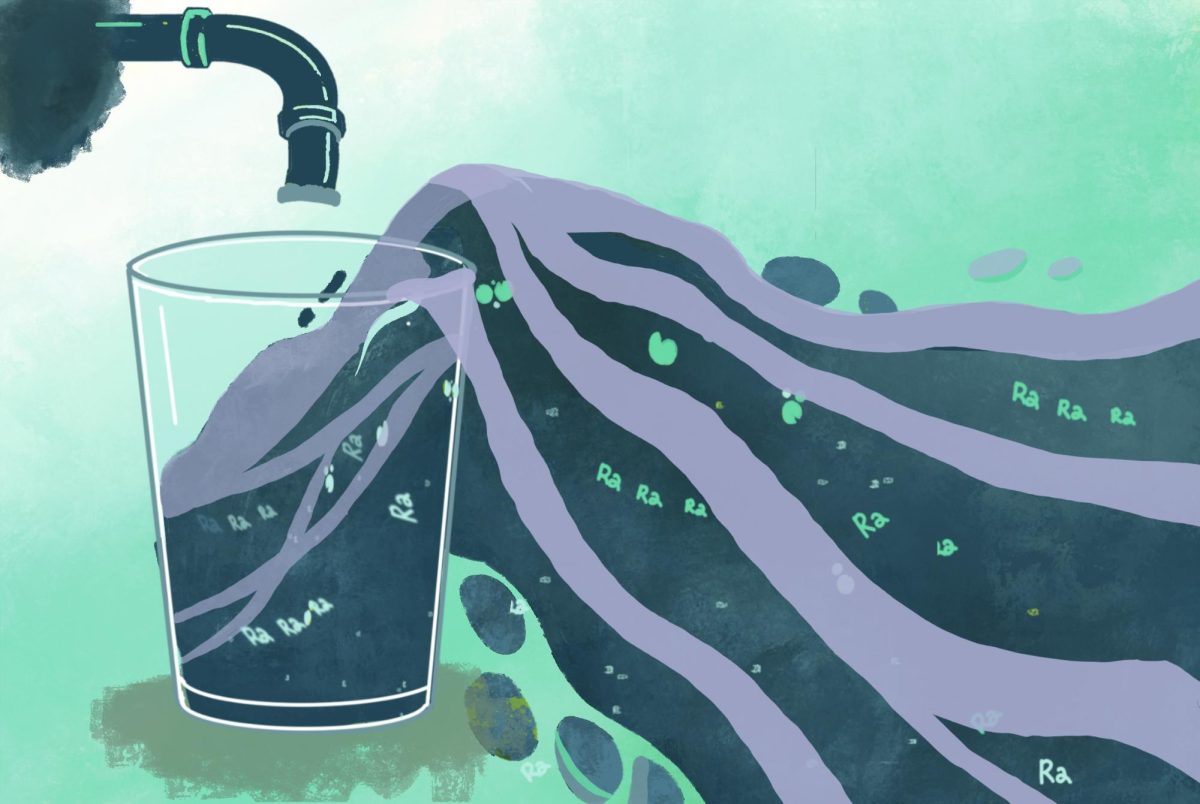
On March 18, the City of Grinnell’s water department issued a public notice informing residents that radium levels in the municipal water supply exceed drinking regulatory standards. In an email to The S&B, Grinnell Water Director Keagan Richmond wrote that radium levels have been above federal standards since early 2024, but construction of the new water treatment plant is expected to address the issue by early next year.
Richmond wrote the presence of radium in the water is the result of natural geological conditions.
“Radium is naturally occurring in the aquifer that Grinnell draws from,” he wrote. “Historically, our softener system removed radium, but it was taken offline in 2022 due to its condition.”
Since then, the city has not had a system in place to remove radium from the water supply.
Richmond confirmed that radium levels have been above federal standards since early 2024.
The long-term solution lies in the city’s new water treatment plant, which is expected to be operational by January.
Once completed, the plant will use nanofiltration, a process similar to reverse osmosis, to remove contaminants from the water supply.
Richmond wrote that radium levels will fall well below regulatory limits after treatment.
Richmond wrote that the exterior of the building is nearly complete.
The interior buildout of building systems, such as plumbing and electrical equipment, is underway.
He wrote that major treatment equipment has already begun arriving, with additional components expected in the coming months.
According to the Environmental Protection Agency (EPA), chronic exposure to radium may increase the likelihood of developing bone, liver or breast cancer.
However, Richmond wrote that current levels do not pose an immediate danger.
“The Iowa Department of Natural Resources and the EPA have assured us that there is no immediate cause for concern,” Richmond wrote. “Regulatory limits for radium are based on acceptable exposure over a timeframe of seventy years.”
In an email to The S&B, Chemistry Professor Lee Sharpe wrote that there have been no changes to the impact of heightened radium levels on the community since early 2024.
In the meantime, residents who are concerned about potential exposure can take steps to reduce risk.
Richmond said individuals should consult medical professionals if they have specific health concerns.
He also wrote that certain household water treatment systems, such as reverse osmosis and water softeners, can help remove radium.
The construction project follows years of broader concerns about Grinnell’s water system, including issues related to mineral content and corrosion.