


















This past fall, four organizations received mini-grants administered by the Grinnell College Office of Community Partnerships, Planning and Research — the Grinnell Fire Auxiliary, the Grinnell High School English department, the Grinnell Historical Museum and the Iowa State University Poweshiek County Extension and Outreach.
Programs like the mini-grant one aim to unite the community by providing small grants ranging from $1,000 to $7,500.
While each organization had different reasons for requesting the grant, they all had the same goal towards building a better community for all people living in Grinnell.
In an email to The S&B, Bailey Strovers `27, a member of the review committee for the mini-grant program, said that she ranks proposals by benefit to the community, unique ideas, potential to attract youth attention and benefit to the Grinnell community’s education system.
“The mini-grant program is a good way to see how we can grow the community and use our funds to do so. We get to decide how to upgrade, update, build and renew established programs or brand-new ones,” Strover wrote.
The Grinnell Fire Auxiliary received $3,608 to replace outdated lighting equipment, helping protect emergency responders and community members alike by reducing hazards such as dull lighting.
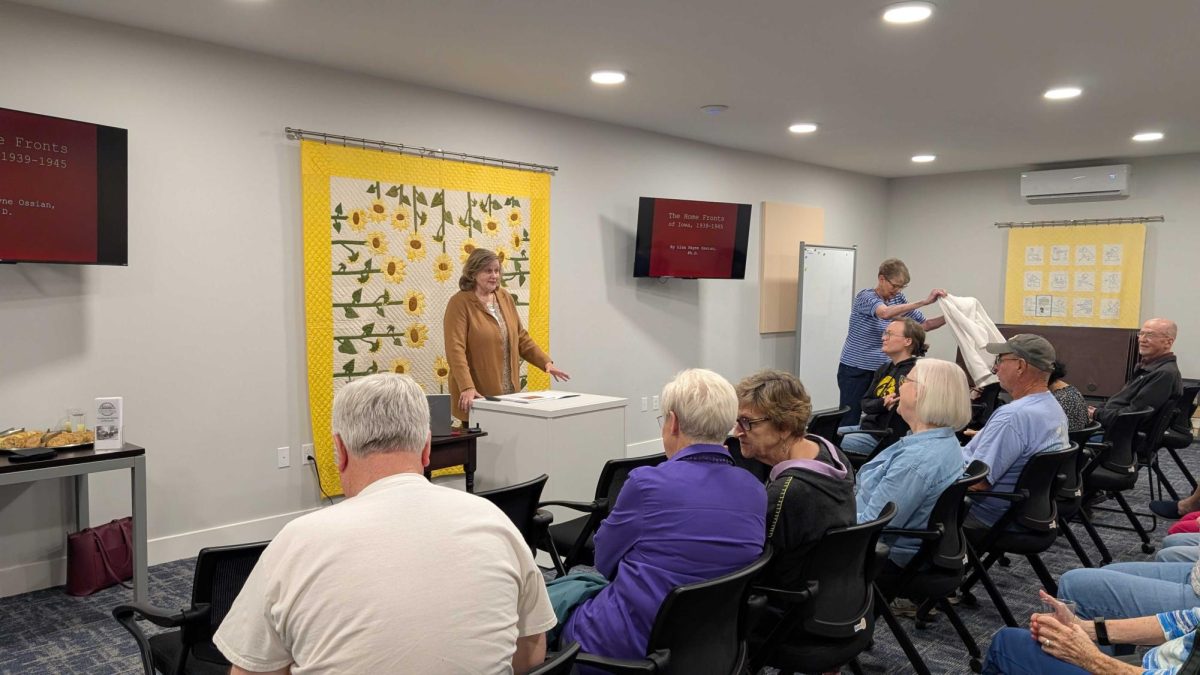
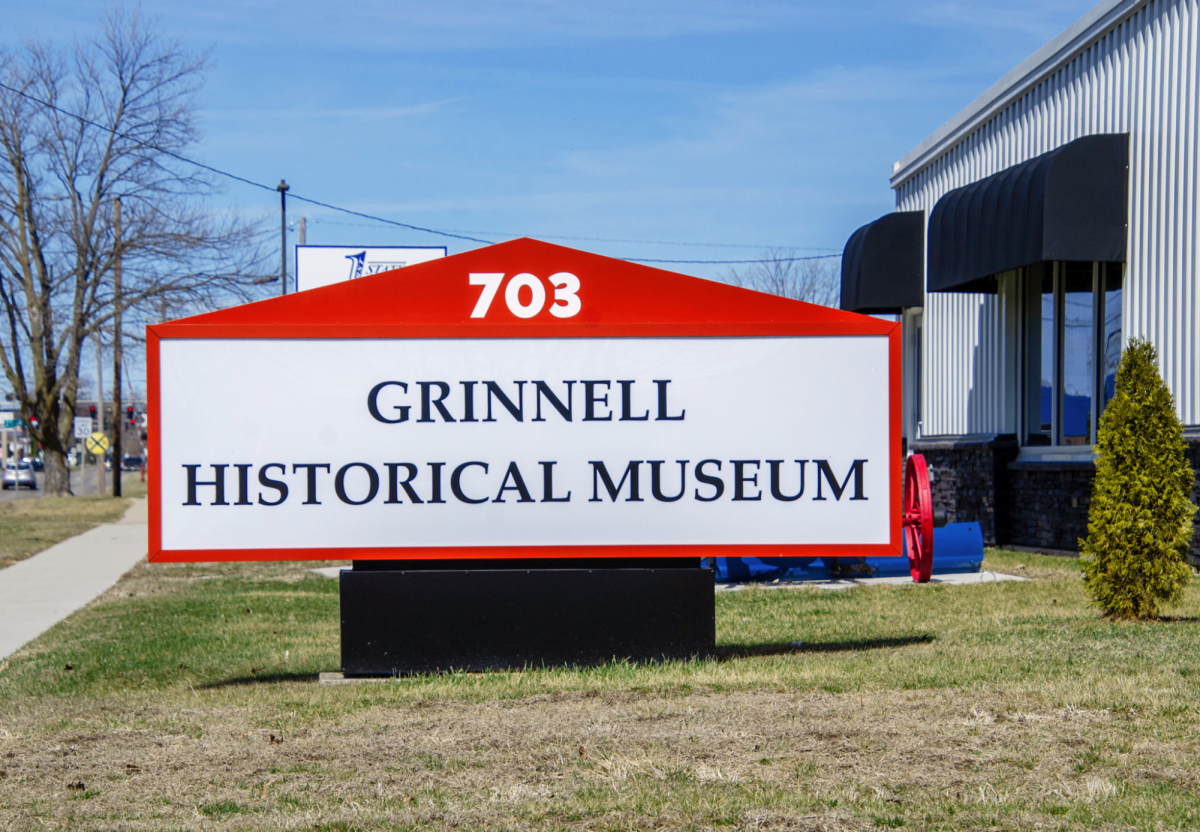
Similarly, the Grinnell Historical Museum received funding for exterior improvements. Director of the Grinnell Historical Museum, Bethany Hewlett, said, “There were essentially two parts to it — aesthetics but also accessibility.”
Hewlett describes that part of the $3,600 from the grant will be to “beautify” the corner of West Street and First Avenue by adding picnic tables and bike racks to encourage people to stop by.
The rest of the funds will go towards fixing the front door threshold, which currently has a gap larger than half an inch, and therefore does not comply with the Americans with Disabilities Act.
Hewlett cited inaccessibility as a major reason the museum was moved from its old location in the McMurray House to its new location on First Avenue.
“There are so many stairs there, it is completely inaccessible for anybody in a wheelchair, with a walker, parents with strollers, even toddlers,” Hewlett said of the museum’s old location.
With increased accessibility and ongoing improvements from external sources, the Grinnell Historical Museum hopes to be a place for everyone who needs it.
“That is our mission. To serve the community of Grinnell and Poweshiek County, and we do that by education and by entertainment,” Hewlett said.
Another recipient, the Iowa State University (ISU) Poweshiek County Extension and Outreach, aimed to expand outreach to the Grinnell community and Poweshiek County by requesting $6,500 to help host the 2026 Seed for Thought Symposium.
The symposium, which aims to bring gardening specialists into the community, will be held at Grinnell College in the fall of 2026.
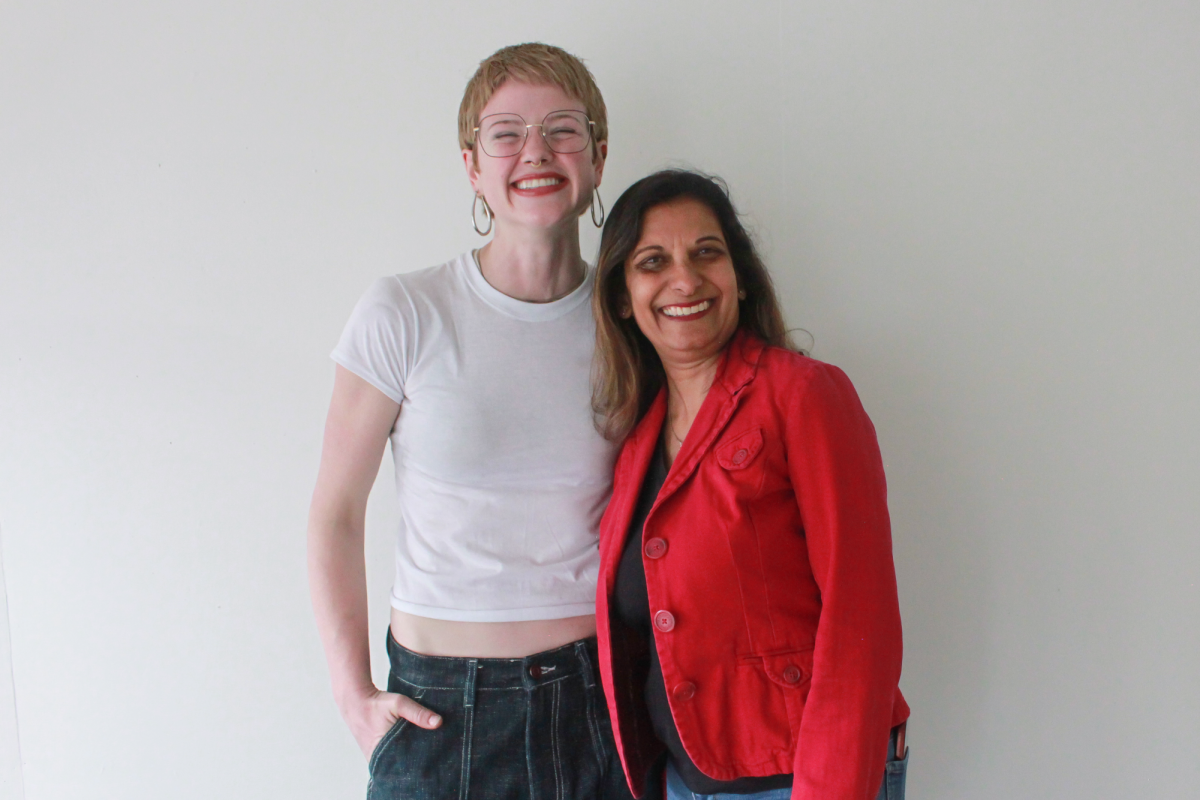
Alathia Andera, program coordinator for ISU Poweshiek County Extension and Outreach, said, “One of the things I would really like to help support in our county as the extension program coordinator is creating a good, strong community that has education and has resources available to them.”
Specifically, she said she wants to support building community and fighting back against food insecurity through sustaining the various community gardens throughout Grinnell.
The symposium is designed to bring knowledge to community members, build community and also to fight against issues, such as food insecurity and even negative mental health.
“There is so much research out there that shows that gardening and being in touch with nature really improves a person’s mental well-being and within Poweshiek County, that is one of our top concerns,” Andera said.
The last of the four recipients was the Grinnell High School English department, which received $900 from the mini-grant and an additional $1,000 from the Grinnell-Newburg School Foundation.
The grant will be used to provide books for the 11B – eleventh grade second trimester – English class.
“We wanted to provide students with both engaging non-fiction, and for the most part, more timely contemporary non-fiction,” Kevin Hosbond, department chair for the GHS English department, said.
Some of the new books bought include “Caste” by Isabel Wilkerson, “Maid” by Stephanie Land, “Unbroken” by Laura Hillenbrand, “Nomadland” by Jessica Bruder and “Parkland” by Dave Cullen.
In contrast to the 11th grade fiction class that was taught the previous trimester on the American Dream, the non-fiction class focuses on “American Realities.”
Hosbond said the English department chose to apply for the grant because of its relatively quick and timely process compared to other grants, which can require long wait times to hear back when accepted and additional waiting to utilize the funds after acceptance.
Hosbond also commented that having a good, supportive relationship with the College makes the stress of high school funding much easier to manage.
“They’ve been really helpful in helping us pay for books because, as you know, public school funding can be a challenge, and we can backfill curricular needs,” Hosbond said.
The curriculum, while receiving some funding from the College, operates independently and is guided by the department to provide the best possible education for students, Hosbond said.
A second deadline for mini-grant funding is approaching on April 3. The recipients of the grants will be announced on May 15.