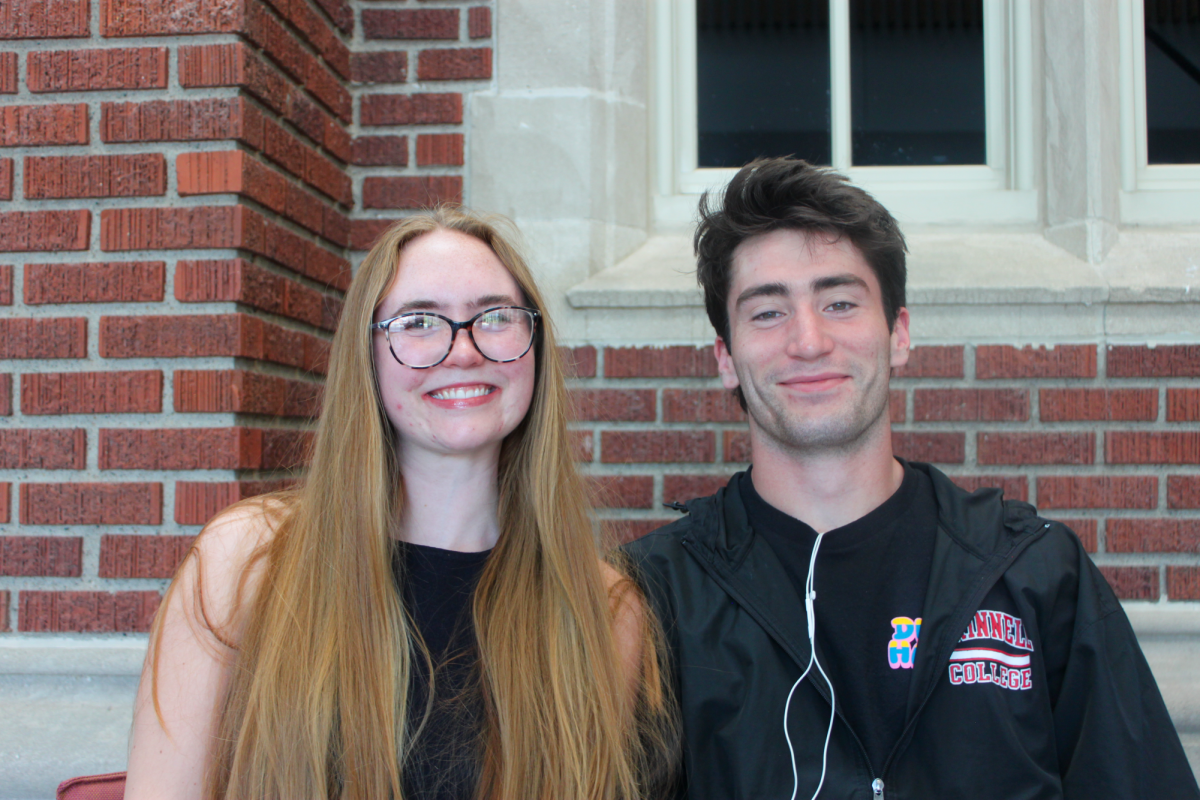



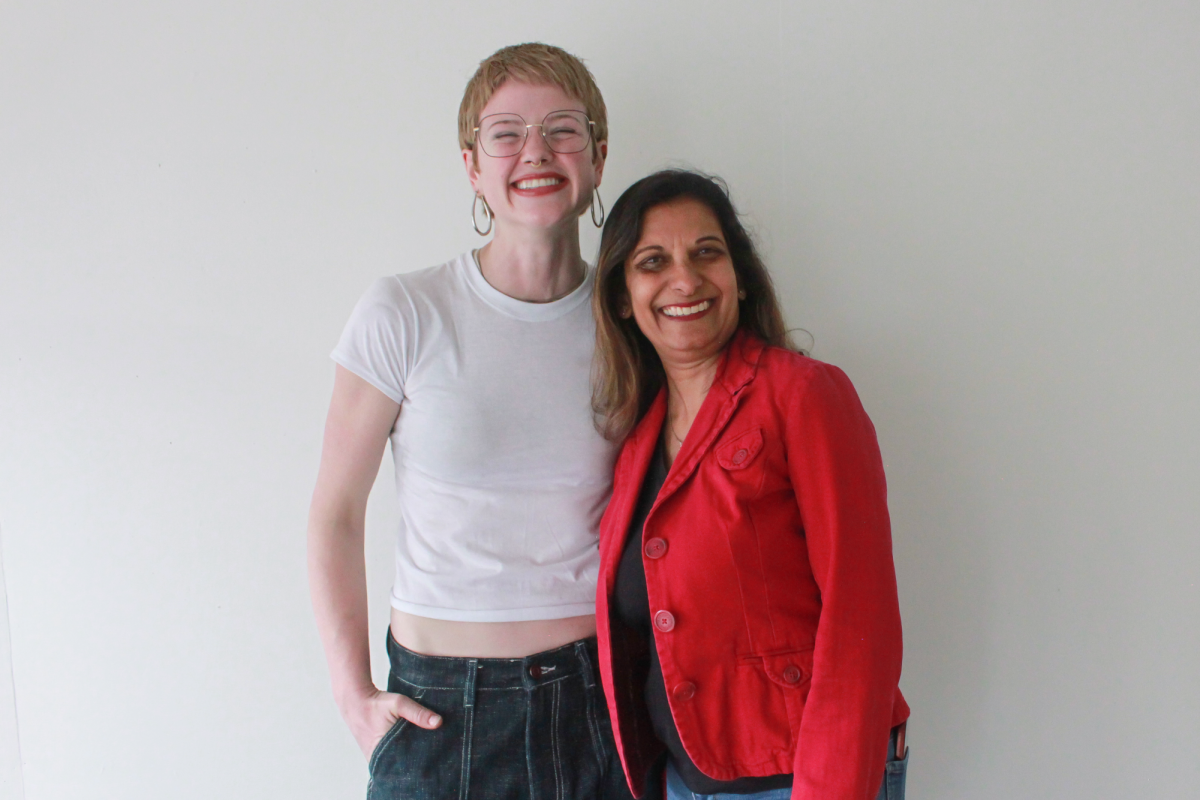
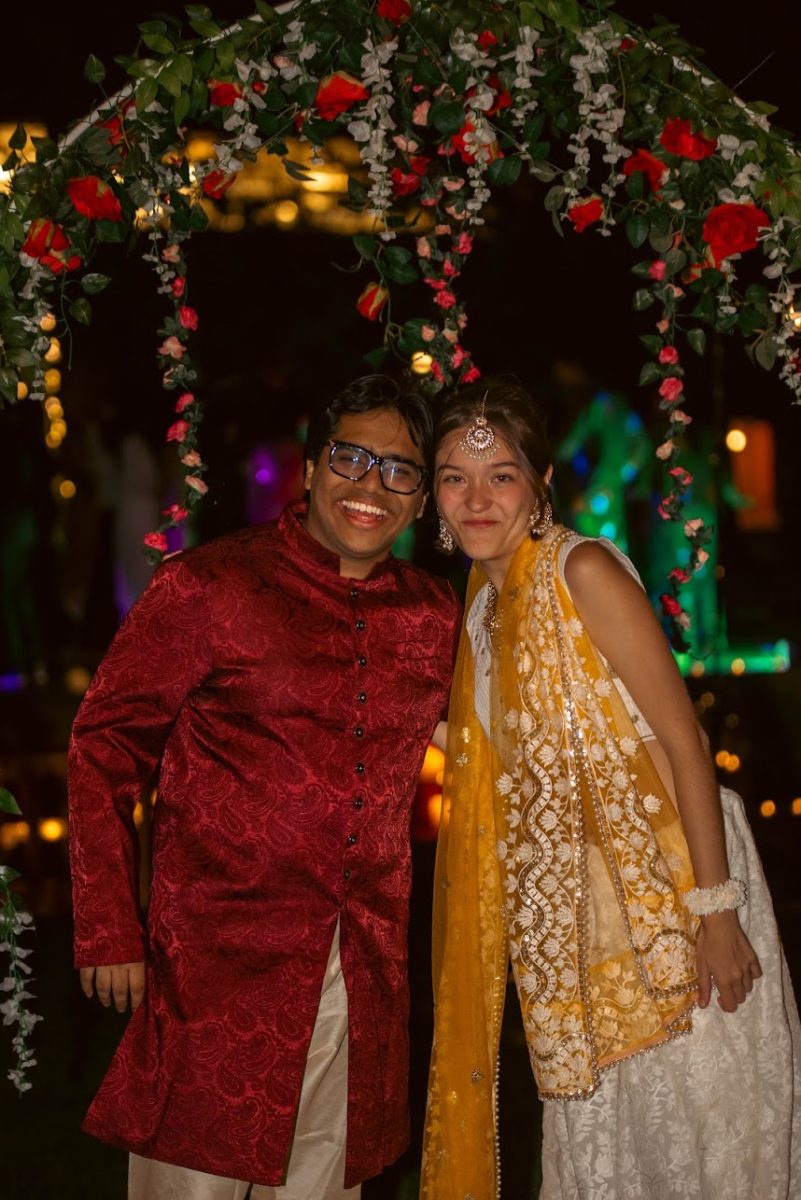
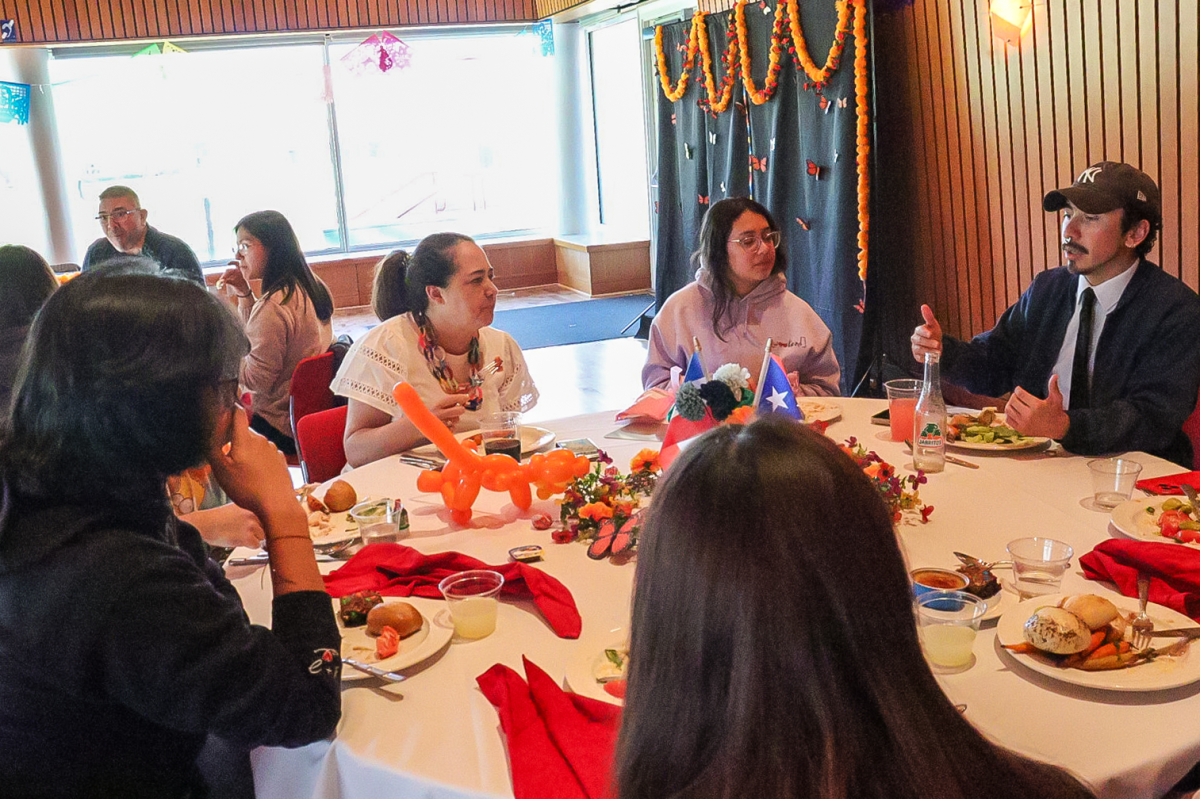
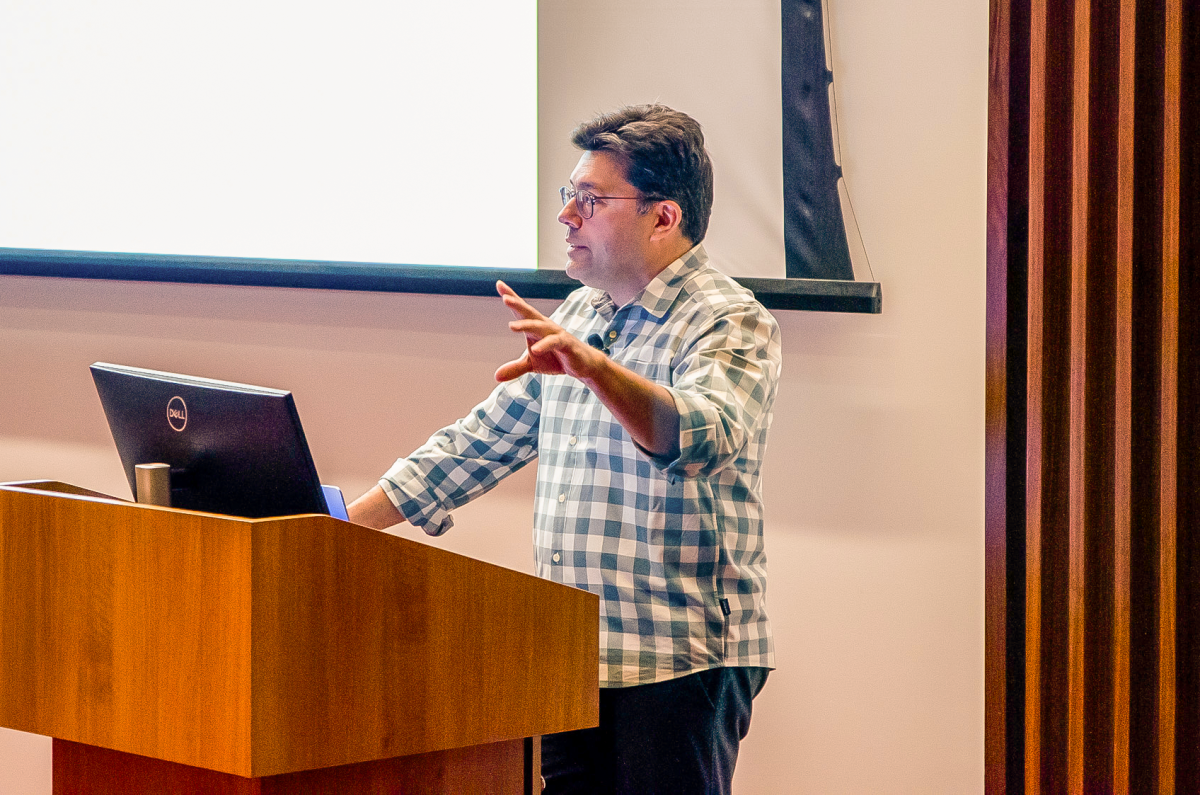
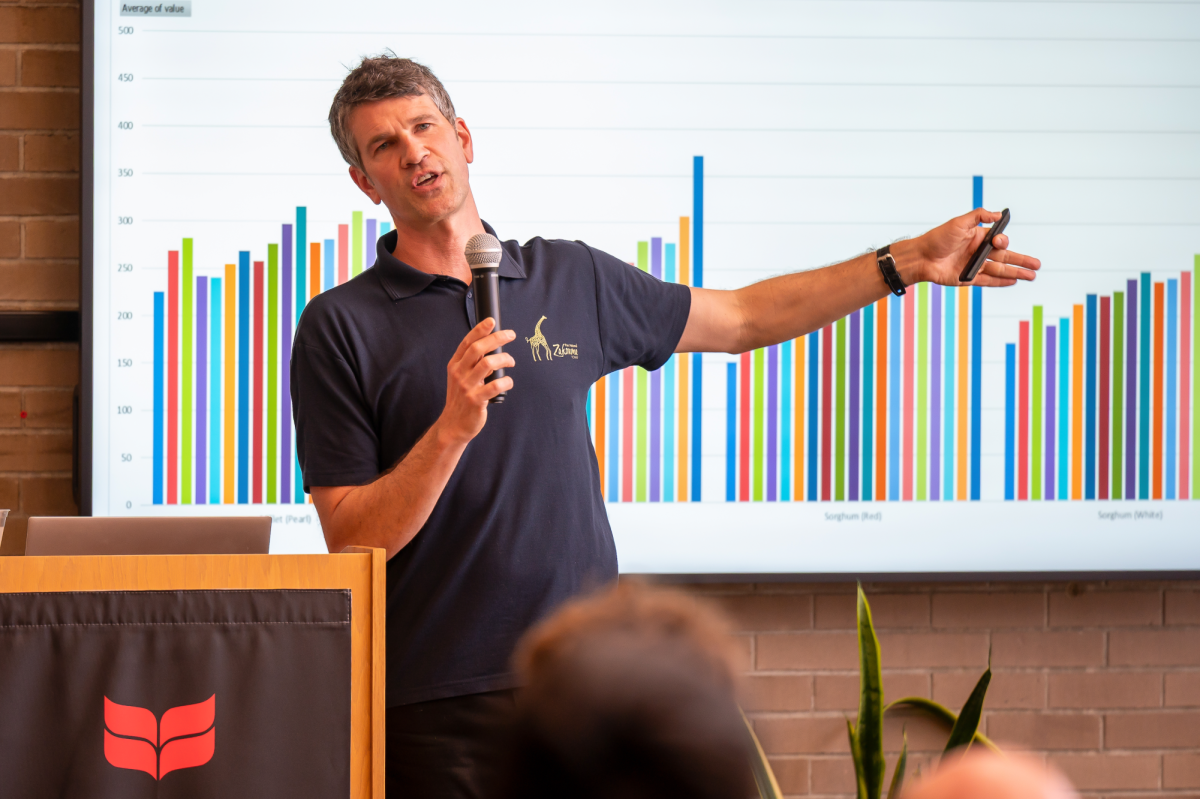

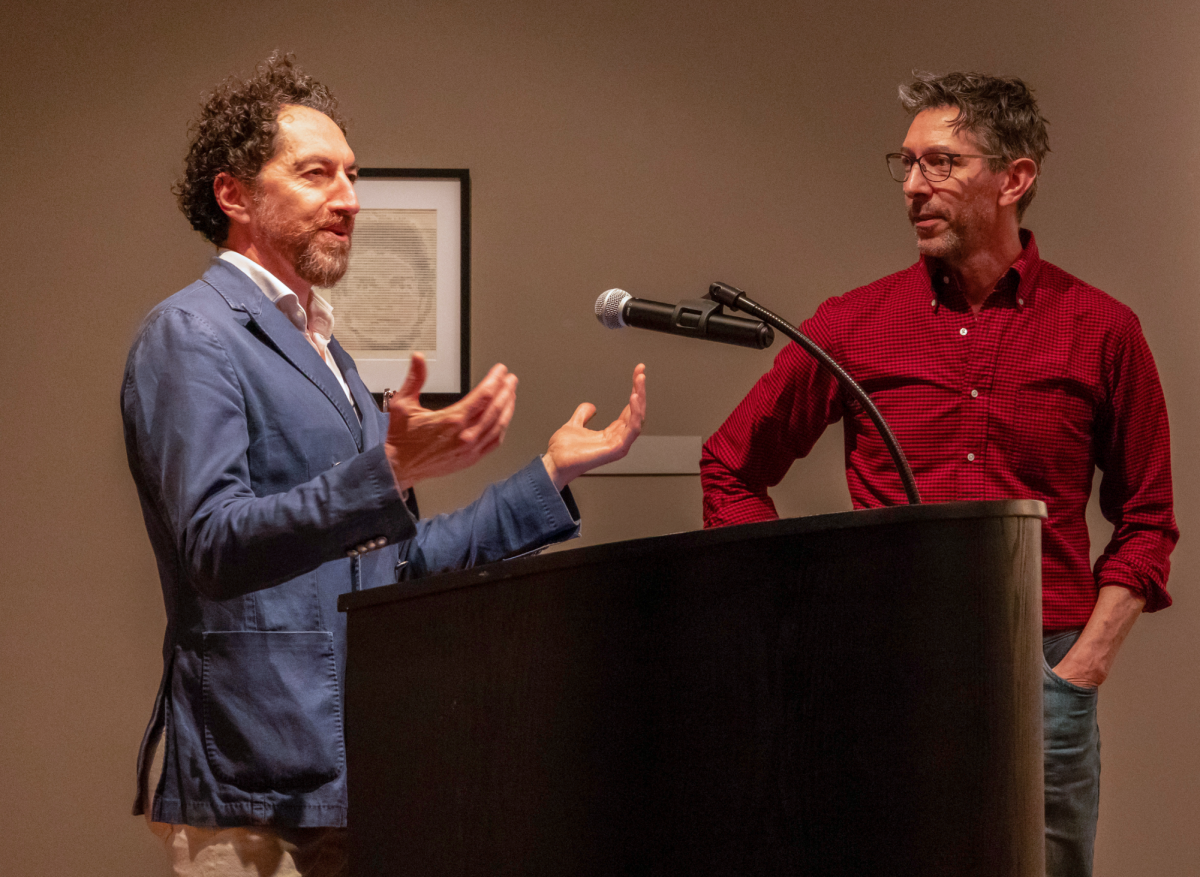
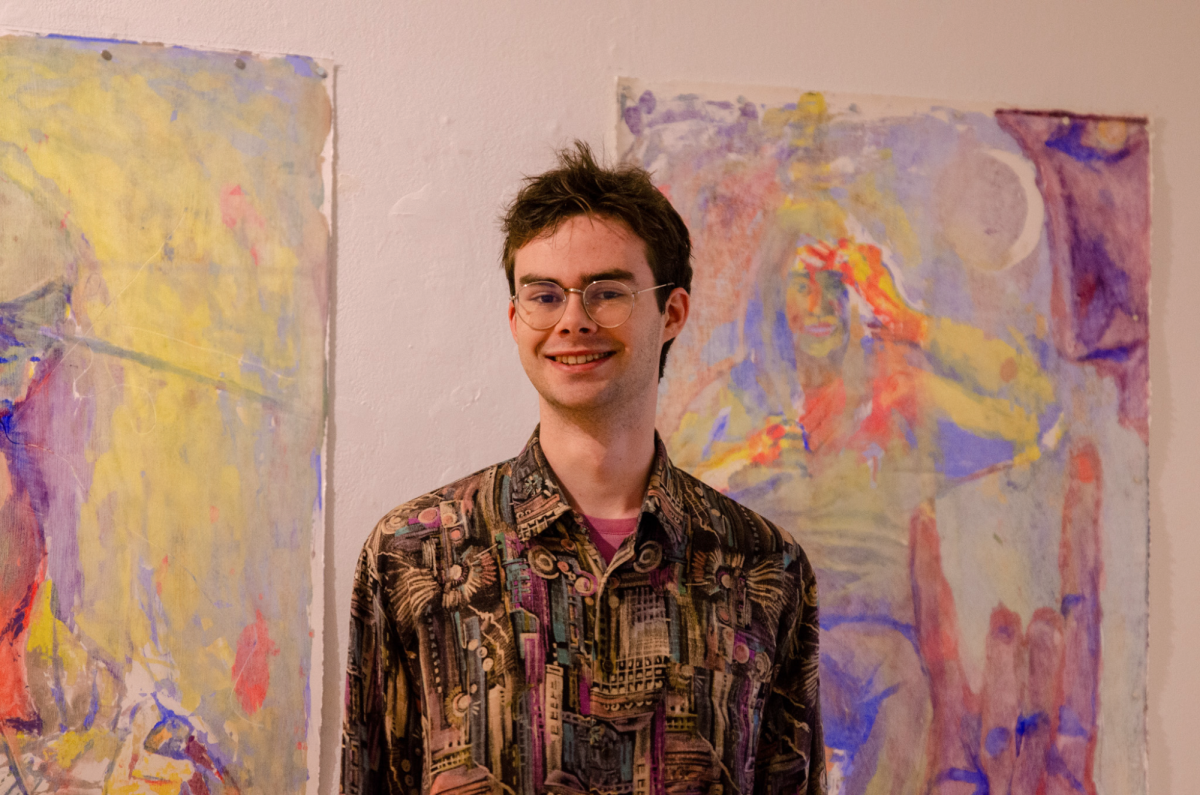



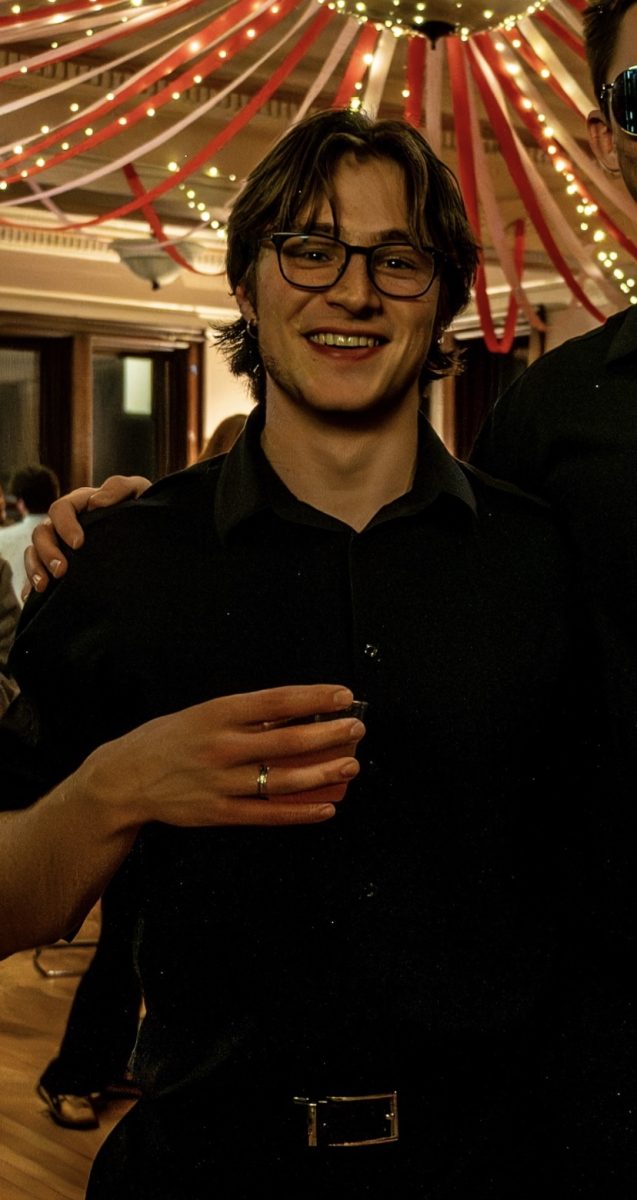




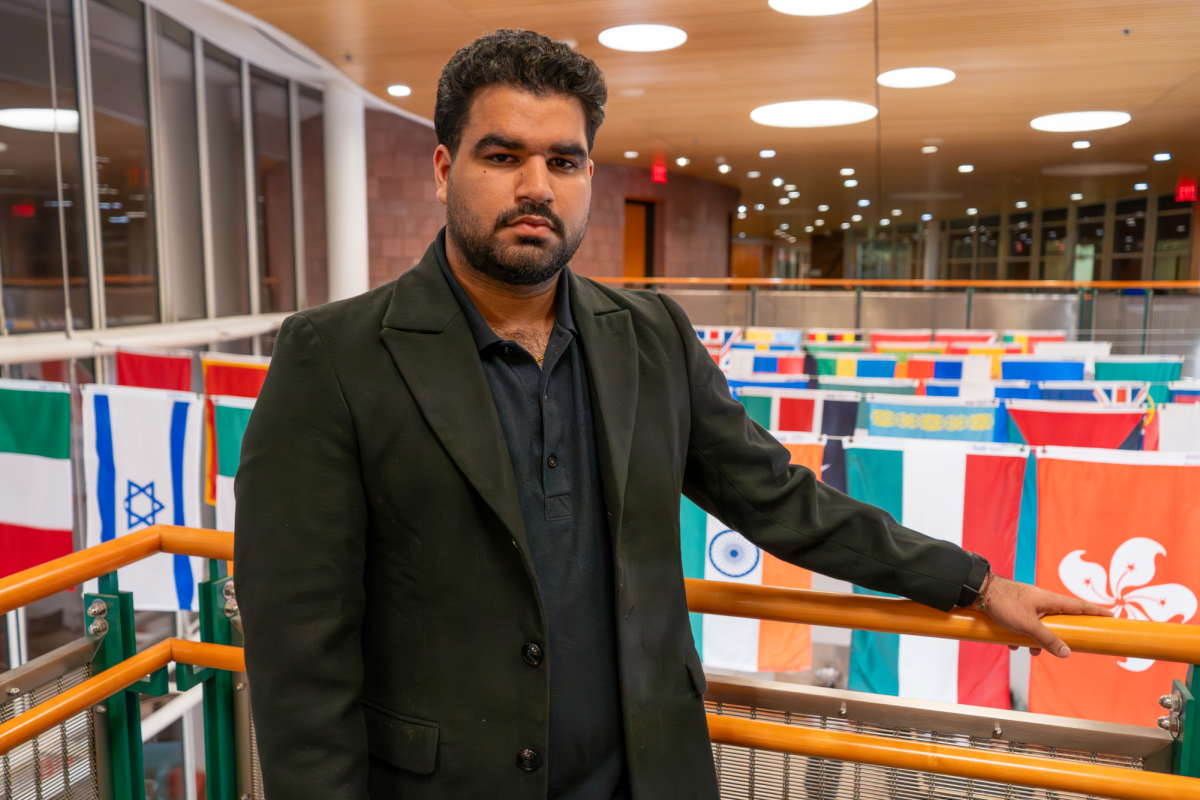

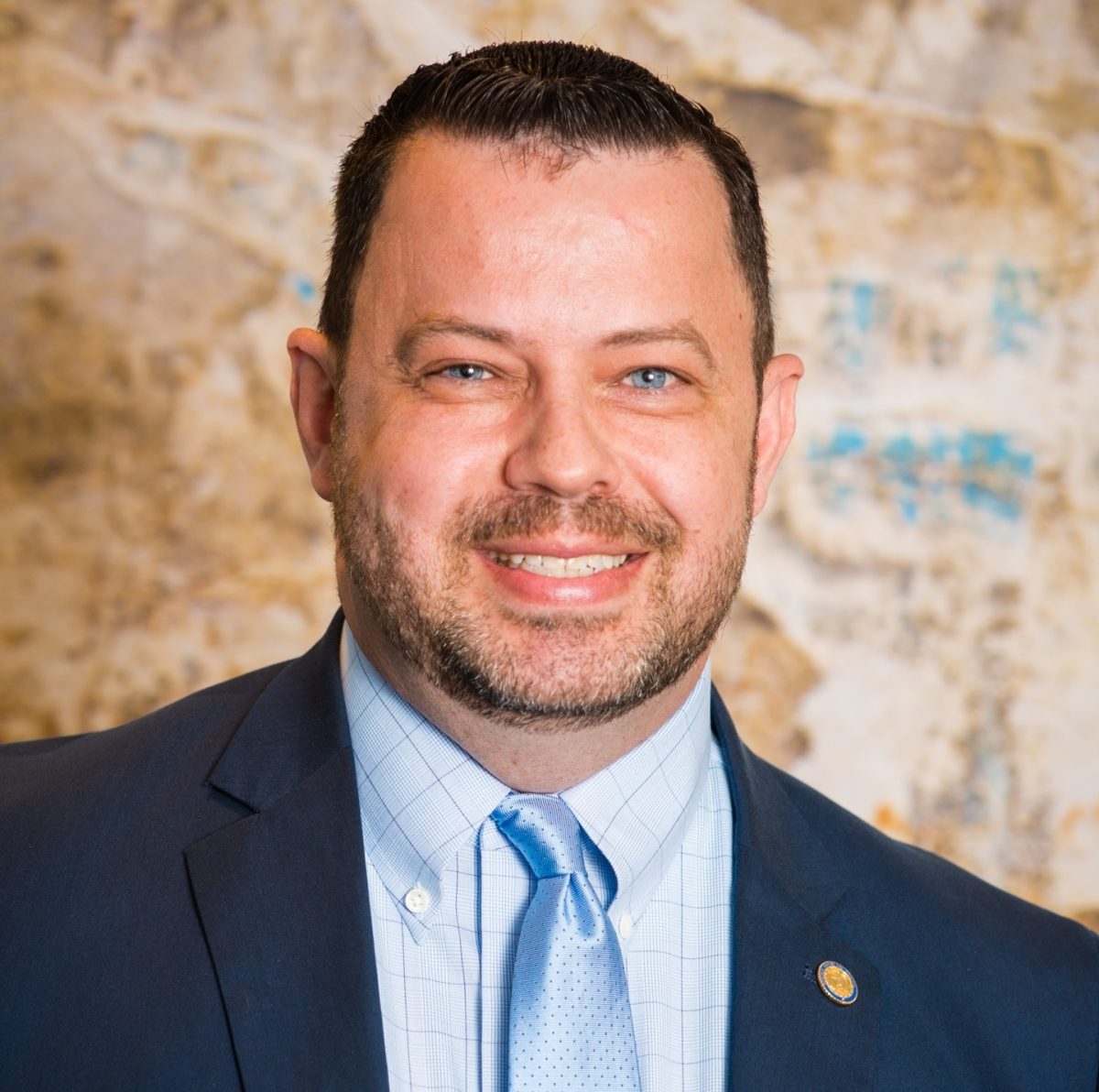




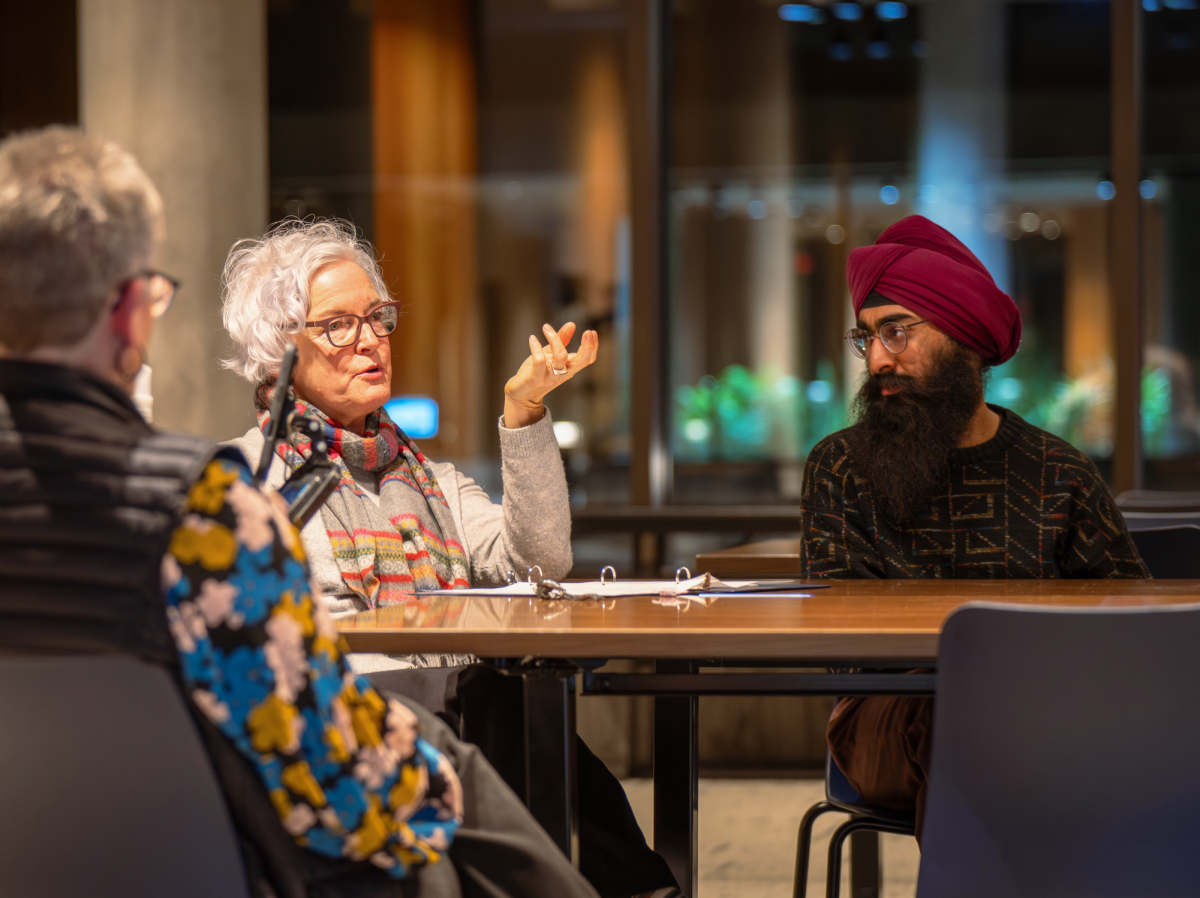
Iowa Open Book volunteers JJ Kapur and Zachary Mecham paid a visit to Renfrow Hall to share their personal stories as part of the first installment to the Open Book Series in Grinnell.
Iowa Open Book aims to build community by merging volunteers’ stories into larger themes for participants to build on with their own experiences.
As two of about 50 Iowa Open Book volunteers, Kapur and Mecham shared their personal experiences and invited members of the community to both reflect on and contribute their personal anecdotes on Feb. 3.
Based in Des Moines, Open Book is an organization that invites volunteers to travel to events across Iowa to share their stories, serving as human “books.”
Kapur found his way into the organization as a high school volunteer. He then later became friends with Mecham and convinced him to volunteer with the program as well.

Mecham began by speaking on his journey through burnout and burnout recovery. He talked about his experience with lung collapse and work-life balance.
While talking about his time in the hospital, Mecham said, “You would think that this would be a great time in my life to reflect on my behavior, maybe think about slowing down, but I didn’t.”
Mecham found that his time of reflection came much later, at his first fulltime job at The Harkin Institute, where he realized many of his accomplished peers prioritized self-care.
Kapur followed by reflecting on several of his and his father’s shared experiences and how they affected their relationship.
Kapur spoke about being close friends with his father as a child, but drifting apart as he went to college. Kapur described the relationship as complicated, as his father changed during his struggle with health issues.
Participants used opportunities during and after these stories to share their own experiences and draw similarities.
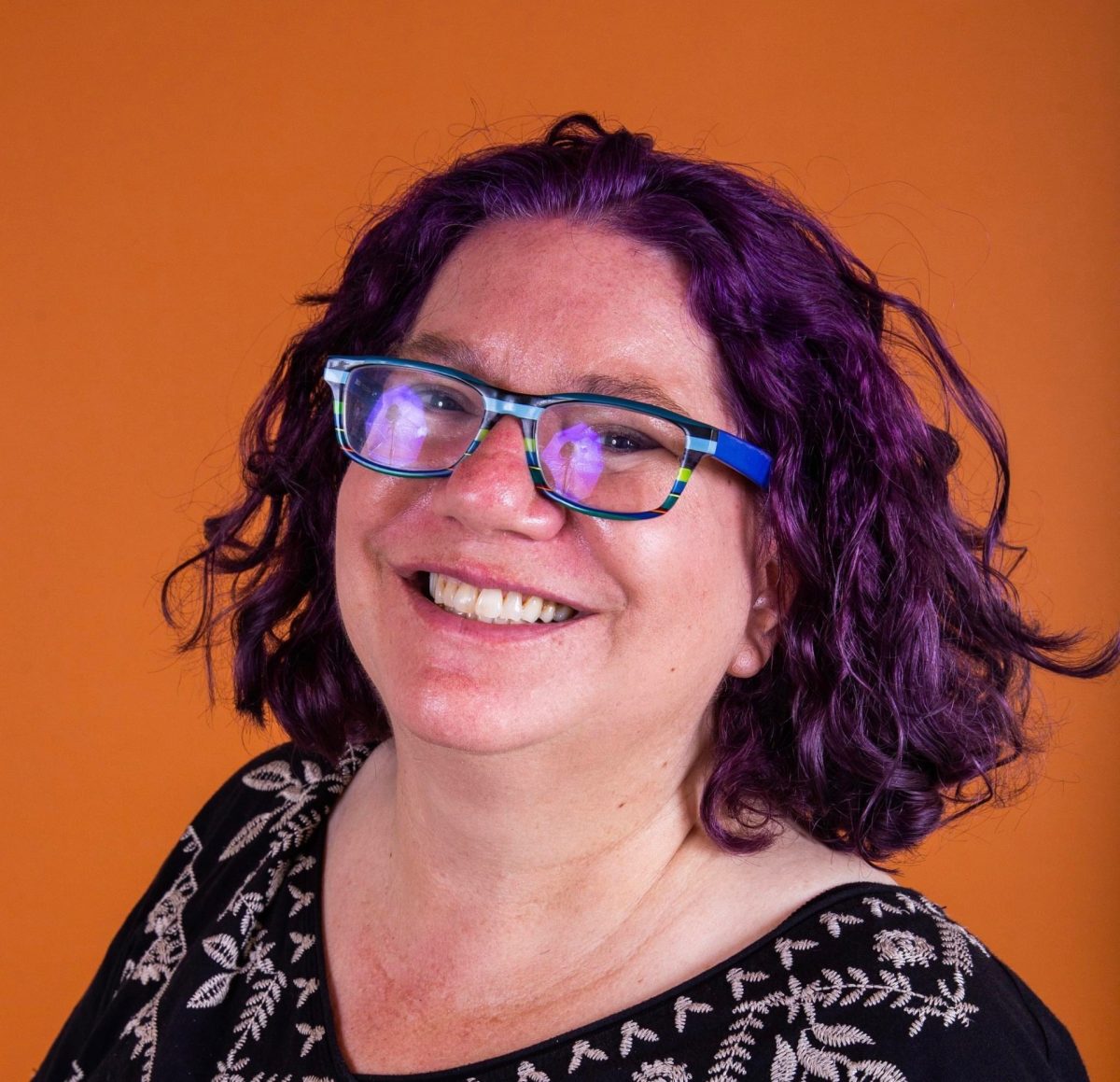
Karen Downing, the Open Book facilitator, defined the program’s purpose as bridging differences. “You can sit down, and think I have nothing in common with these two and in an hour’s time — that quick catalyst of connection,” she said. She said she sees the speakers experience their own transformation over time as storytellers connect with participants.

Mecham finds storytellers usually prompt larger discussions. “With sage on a stage, they’re starting with a pitch or a message. We’re trying to share a journey, and that’s an important difference,” Mecham said.
The selection of the storytellers for each event is intentional. When deciding on stories for gatherings, Downing described the process as linking them thematically.
“We like to put stories together that kind of sit in conversation well with one another,” she said.
Mecham chose his story by starting with “the deepest traumas in my life. In my experience the hardest things you have to go through are the things you learn the most from.” He aimed to structure his story to teach others.
Kapur found his experience to be similar, creating two stories to use depending on the event.
His other story, not shared at the event, was based on his experiences growing up as a Sikh in Iowa, and then he utilized the story with his father to build on top of that.
“I wanted an opportunity to make meaning out of an experience that was difficult,” Kapur said. “This is an opportunity for me to work on a really hard moment or season in my life and craft meaning and get to share that with others and hope that they get to find meaning from it too.”
The Iowa Open Book series will continue on the first Tuesday of each month through May at Renfrow Hall.