




























“A real college doesn’t stab its students in the back, Grinnell does.”
This is the message of posters scattered across campus at the beginning of the semester placed by the newly formed Grinnell College Collective Action group.
In response to the elimination of the house coordinator title, the restructuring of the residential life staffing model and the College’s strategic plan to eliminate off campus housing, the group organized a town hall held on Tuesday, Feb. 3 to introduce their mission and offer a space for students to voice concerns.
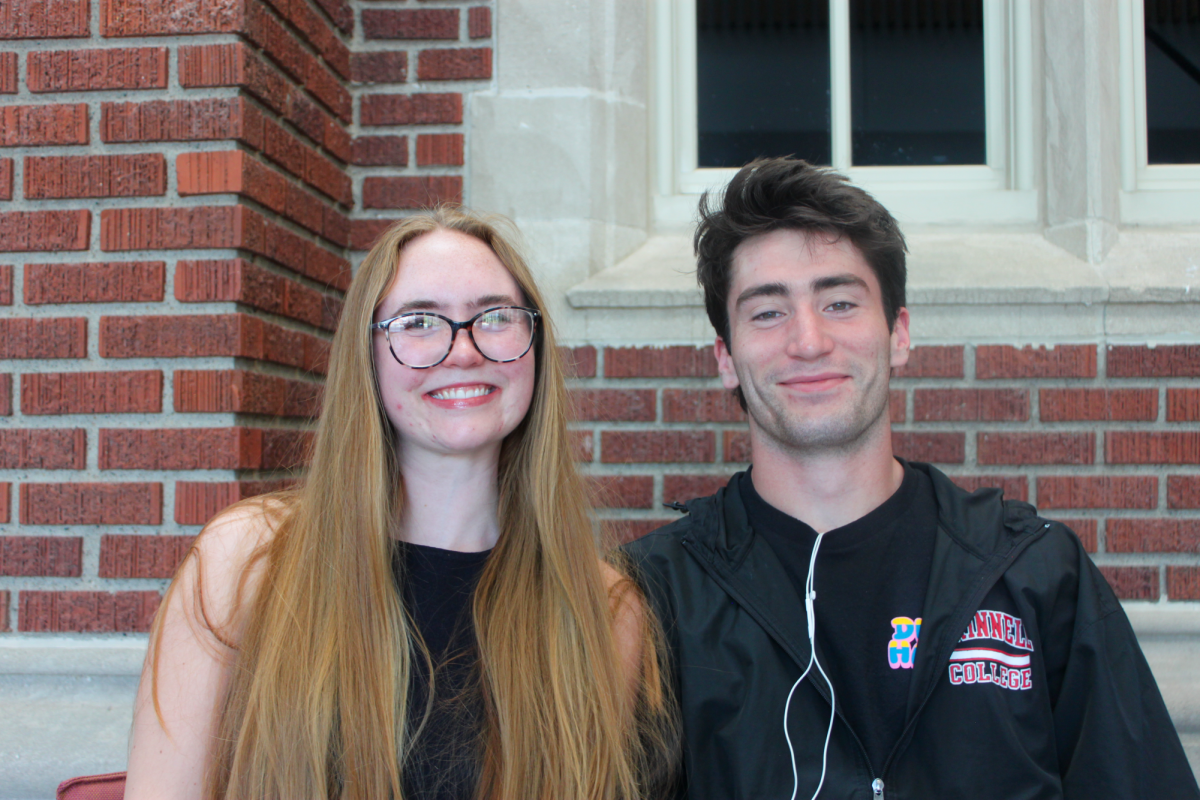
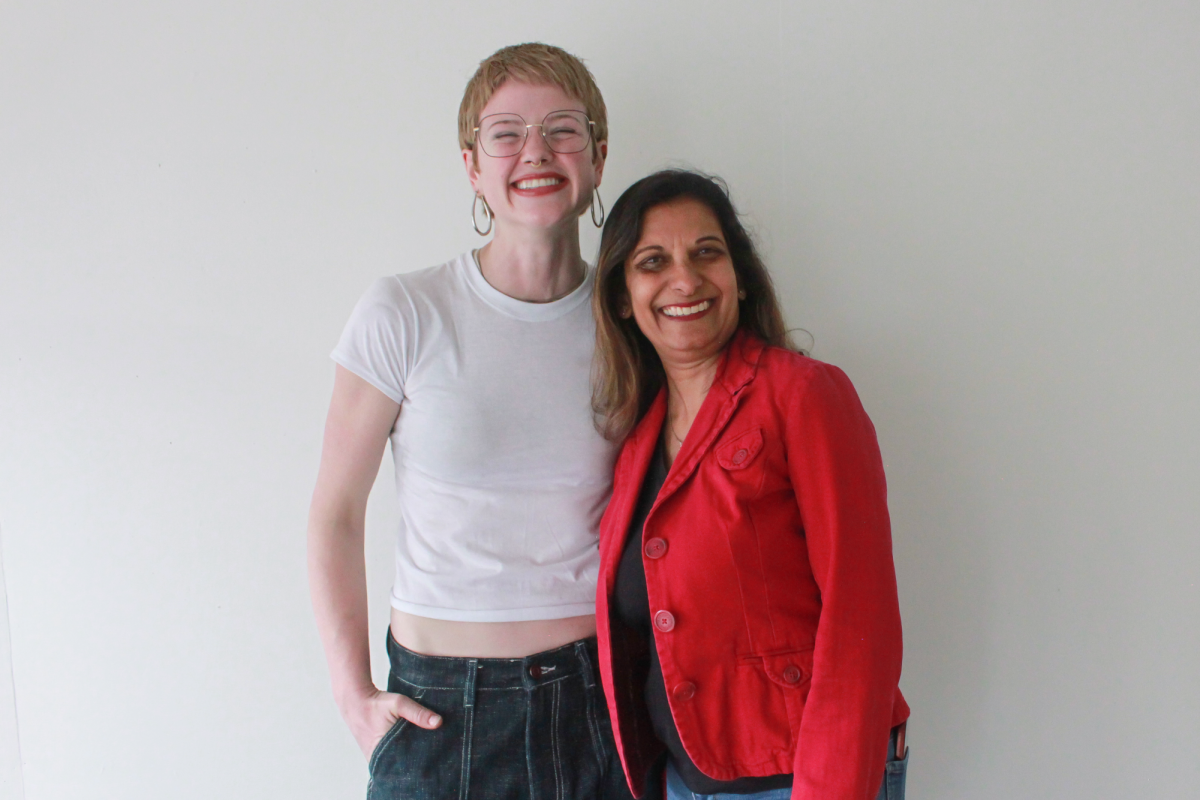
“The group formed out of response to two major changes that we’ve seen both in these past semesters and my four years here,” said organizer Morgan Smith `26, addressing the recent reduction of off campus housing and the removal of project house coordinators.
“The main thing is this was brought on by a continuous set of actions by the administration of prioritizing administrative priorities over campus culture,” said organizer Molly Wilcoxson `26.
Smith, Wilcoxson and other members of the collective that spoke during the town hall agreed that these decisions were made with little actual input from the students of Grinnell.
“That’s one of the primary problems that this is emerging from, that student voices aren’t being considered in any real way to their detriment,” Smith said.
In an email to The S&B, Dennis Perkins, assistant dean of Residence Life (ResLife), wrote,
“Residence Life does not share the view that opportunities for student feedback have been lacking, and values student voice by offering many ongoing opportunities and communications for students to share feedback, raise concerns and participate in dialogue and decision-making.”
He wrote that ResLife offers a variety of opportunities for student voices in the decision making process, including individual and group opportunities to meet after the announcement of these changes, Student Government Association (SGA) representation in monthly ResLife council meetings and residential experience surveys.
Both Wilcoxson and Smith said that one of the practical reasons for the organization of this collective was to give students a space to speak out about administrative decisions.
“Making sure that student voices are represented in every step of the process is a very key part of what we’re doing, especially as we kind of try to foster Grinnell’s very storied tradition of self-governance and student activism,” Smith said.
Smith and Wilcoxson shared the sentiment that the group should foster a sense of empowerment in the larger student body separate from the group.
“Part of it is empowering other people to go and address issues that they feel are important and kind of attacking what we’ve been calling ‘anti-student policy,’ which is to say things that negatively impact the student experience,” said Smith.
Wilcoxson, Smith and the rest of the group’s members agreed that Grinnell advertises themselves as something that they aren’t anymore, and that has contributed to their growing discomfort within the campus community.
“I think that Grinnell is advertised as an institution that is very inclusive that has a strong student culture of self-governance and involvement of students in decision making processes, as well as having a strong tradition of student activism,” Smith said.
“While I see that playing out really well in some parts of the institution, I also see some areas where that mandate is not being met, especially in places like ResLife,” they said.
Kiera Rennick `26, who currently lives off campus, raised concerns about the potential loss of community between off campus students and residents.
“Part of the reason that I’m really interested in this as a collective action is the fact that it affects not just the students on campus, it also affects the local community in Grinnell,” they said.
“It affects the housing market, it affects the local businesses here that rely in some part on students going and using them,” Rennick said.
“With the loss of off campus housing, we lose some of our cultural capacity to move outside of the Grinnell College campus,” they said.
Wilcoxson and Smith said that the collective, while still in the early stages of their project, is primarily working on increasing their numbers and creating forms of communication between students and the administration.
They said that they plan to meet with members of the College administration soon to discuss what they are asking for.
The group made it clear from their town hall meeting that they need more students to weigh in on the matters they need to be discussing.
“We have put up a lot of posters. They have very quickly been taken down by the administration for no apparent reason,” Smith said.
“We are in compliance with all postering policies, and yet, they have gone around and taken the down anyways pretty systematically,” Smith said.
Perkins wrote, “In this case, posters associated with the Collective Action Group were removed because they did not include the required contact information, which is a standard requirement outlined in the College’s postering policies.”
According to Perkins, posters that don’t meet these requirements can be taken down by the administration without prior notice.
Wilcoxson said that the posters played an important role in the group’s organizing.
She said that they grab the attention of the student body, acting as an important factor in creating and maintaining support.
Organizers called for attendees to spread the word about their mission.
“Stay tuned for a town hall style meeting coming soon and expect to hear from us again,” Smith said.