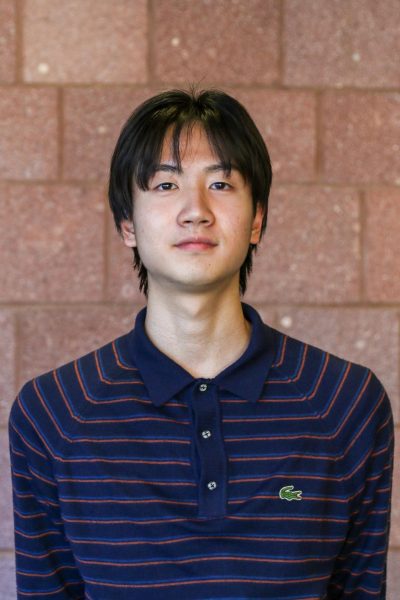
















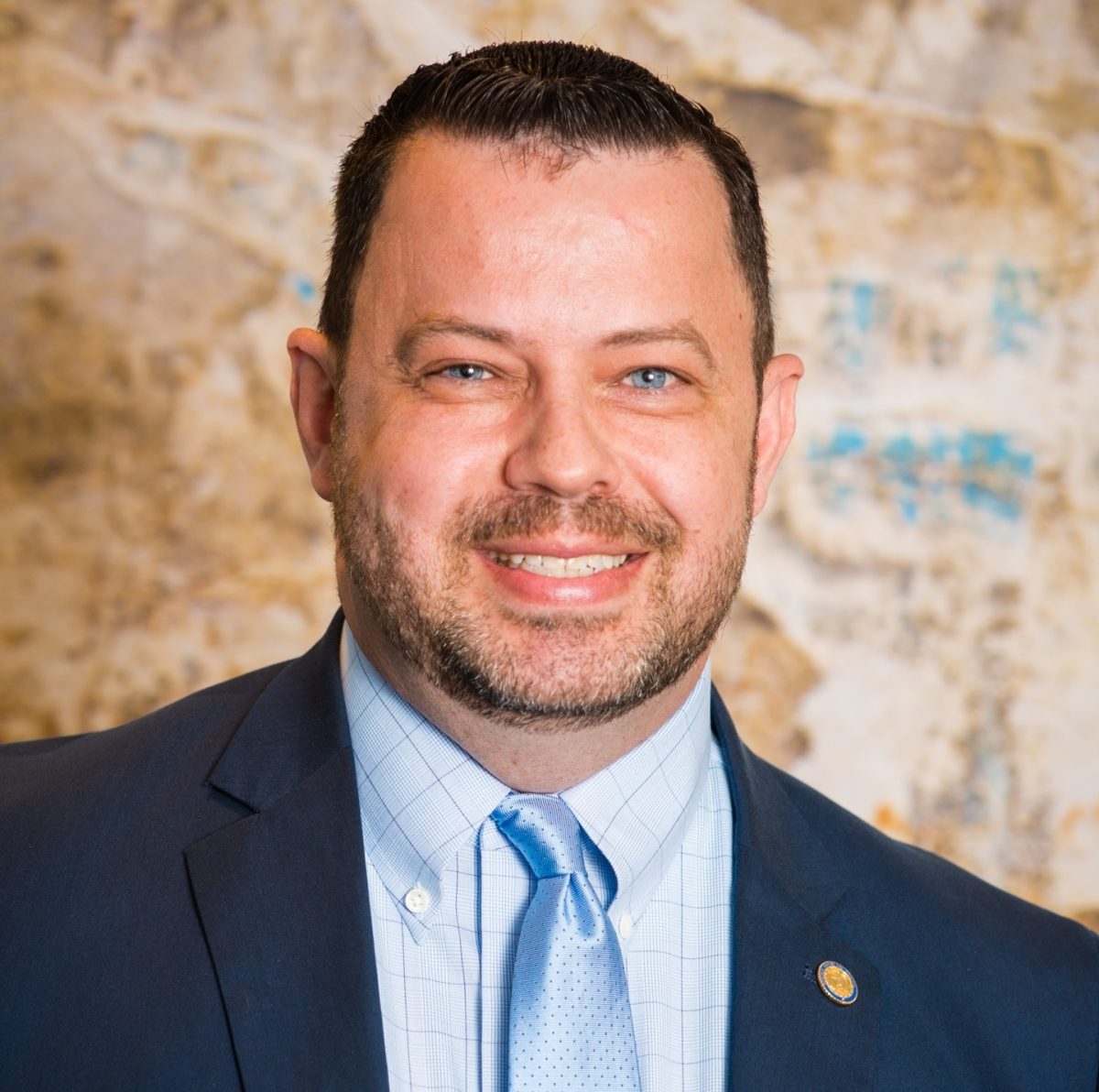






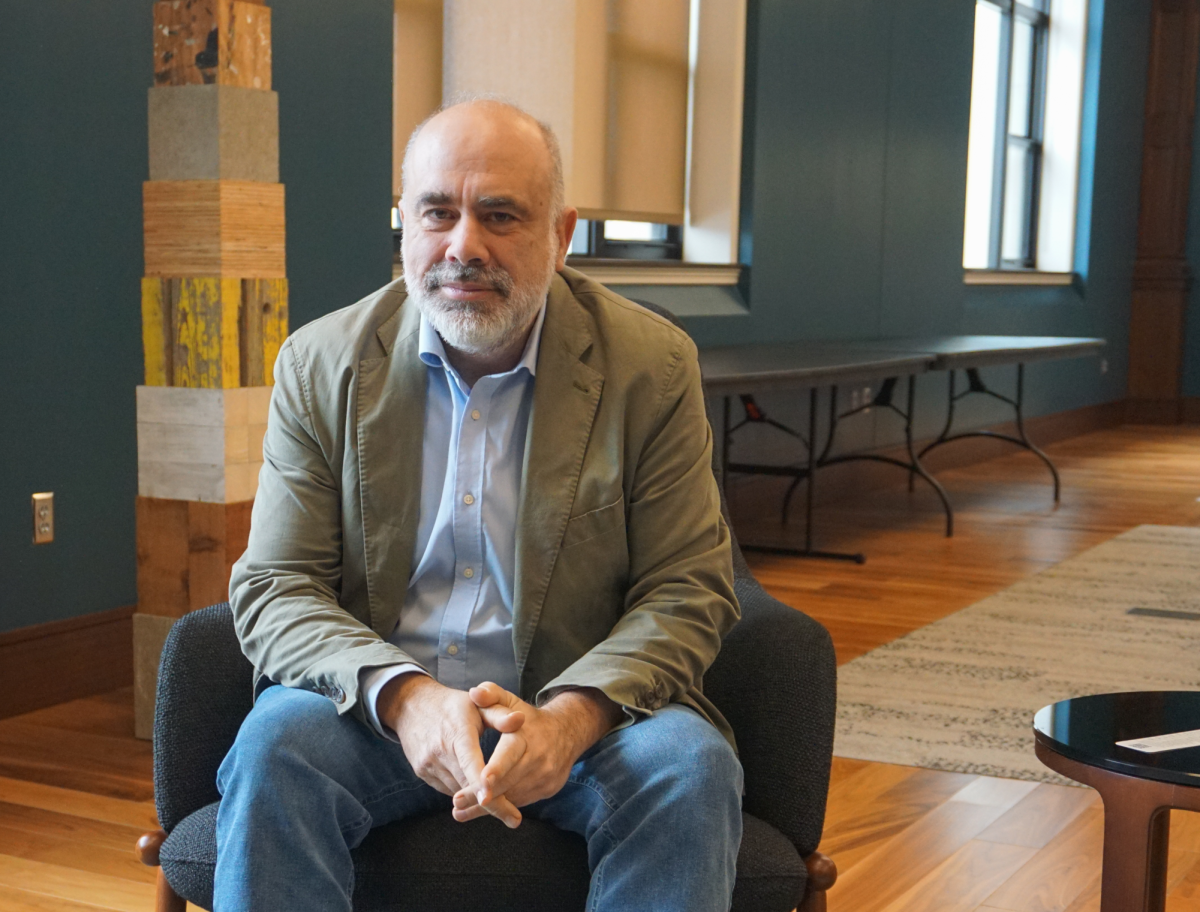
Professor Pau Marí-Klose, a Heath Professor from the department of sociology at the University of Zaragoza in Spain, is teaching two courses on policy making in the spring, focusing on child poverty and welfare states, after being appointed Heath Professor by Grinnell College.
The Heath Professorship is given to the most distinguished international figures to teach two courses of their own for a semester-length stay. Marí-Klose was appointed Heath Professor in recognition of his extensive work in the sociology of child poverty. With over 13 years of experience in teaching and research in Spain, he was appointed High Commissioner Against Child Poverty in the Spanish government from 2018 to 2019.
Marí-Klose said that his role as High Commissioner was one of the most impactful periods of his career.
“High child poverty rates had been a persistent problem in Spain for a long time, but it was largely invisible, so it didn’t receive much attention,” he explained. “There were social problems, but no one thought they required specific interventions.”
This began to change with the formation of a new government. “The turning point came when the new government created the position of High Commissioner Against Child Poverty,” he said. “The role was newly established, and it allowed us to raise awareness of the issue and create a real sense of urgency.”
During his tenure, Marí-Klose assembled a team of six social scientists who were established researchers in child poverty and public policy. He emphasized that the team’s independence was critical to the success of the work. “They were all scholars, and because we were not embedded within a ministry, we were able to focus fully on the issue,” he said.
Following this work, he served as Chair of the Foreign Affairs Committee of the Spanish Congress of Deputies from 2020 to 2023. His transition to serving as Chair of the Foreign Affairs Committee came with immediate challenges.
“Soon after I was appointed, the Russian invasion of Ukraine occurred,” he recalled. “It was extremely stressful. I had just taken on the position and had very little time to learn.”
Much of his work during this period involved travel, diplomatic engagement and strengthening ties with other European nations. “Three months after the invasion, I traveled to Kyiv with other European chairs of foreign affairs committees from Italy, Lithuania, Finland and elsewhere,” he said.
Following these intense years in politics, Marí-Klose began to feel a desire for change. “When I stepped away from politics, I thought it was a good time to take a break and experience something different,” he said.
Marí-Klose earned his master’s degree from the University of Chicago and previously lived in the United States from 1999 to 2004 before returning to Spain. He had positive feelings about that experience and felt “there was a clear reason to come back to the United States.”
He learned about the Heath Professorship opportunity through Professor Xavier Escandell, the current co-chair of Grinnell’s sociology department. The two share a long-standing connection—both were born on the island of Ibiza, studied in Barcelona and later moved to the United States.
“We’ve stayed in touch over the years,” Marí-Klose said. “We still see each other once or twice a year.”
During his time at Grinnell, Marí-Klose will teach two special topic courses—Child Poverty: Manifestations, Impacts and Challenges for Policy Making and Scrutinizing Welfare States from a Comparative Perspective.
He believes both subjects are particularly relevant in the U.S today.
“There are strong reasons, especially now in the United States, to be concerned about these issues,” he explained. “This feels like the appropriate moment to engage with them.”
In the classroom, Marí-Klose hopes to bring both his academic expertise and his experience in public policy.
“I want to bring not only scholarly knowledge, but also practical knowledge that can be applied to social policy,” he said. “I hope students see that knowledge can be used to improve people’s lives, especially those most in need. I’ve always believed that knowledge should be a tool to reduce inequality and create better opportunities. That’s the kind of ethics I hope to convey.”