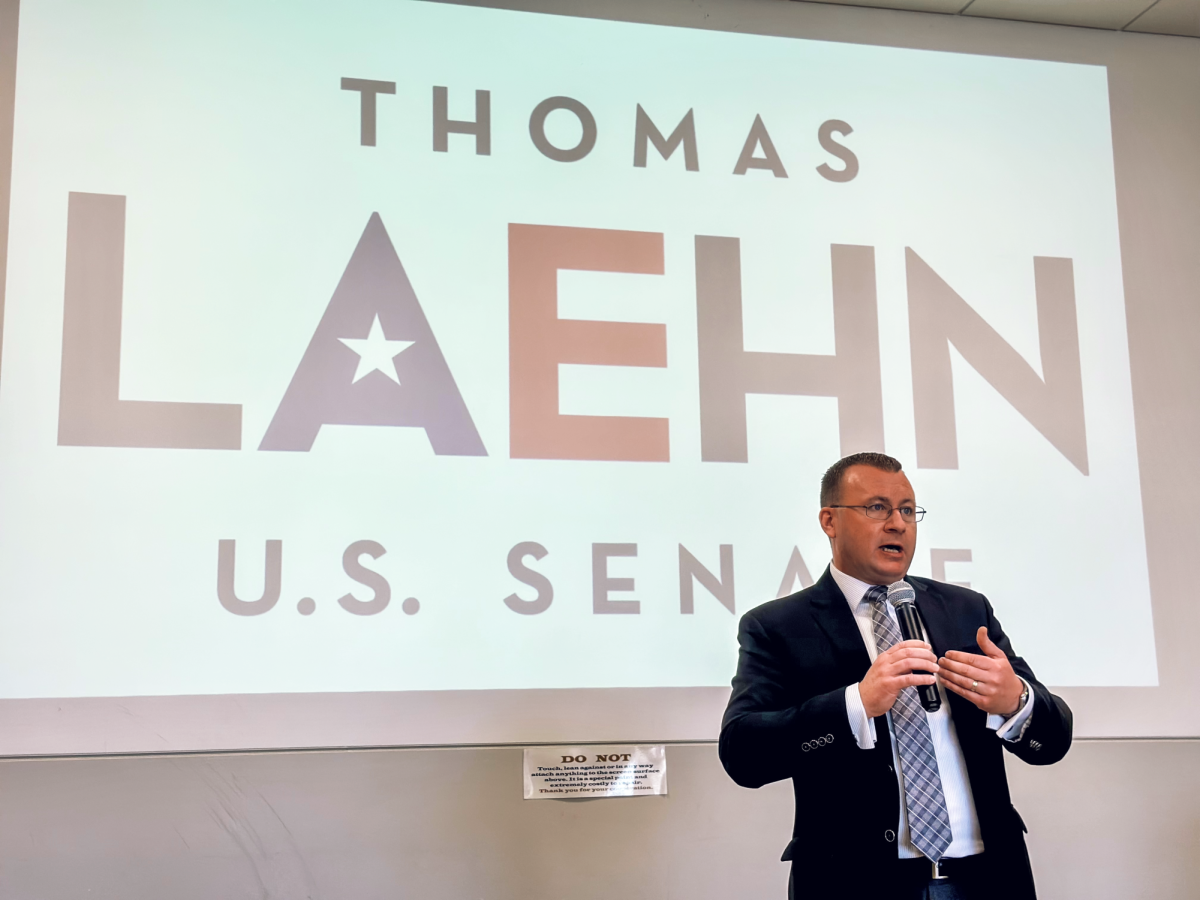



















The Poweshiek Democratic and Republican Parties held caucuses on Feb. 2 in preparation for the 2026 midterm elections.
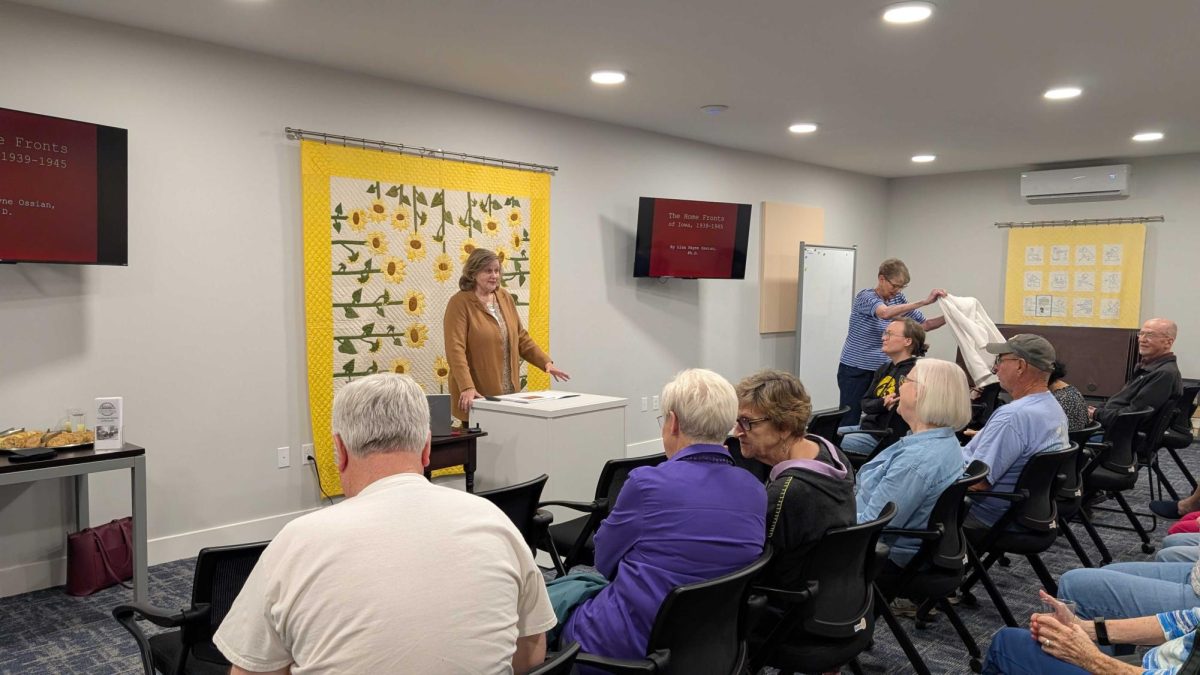
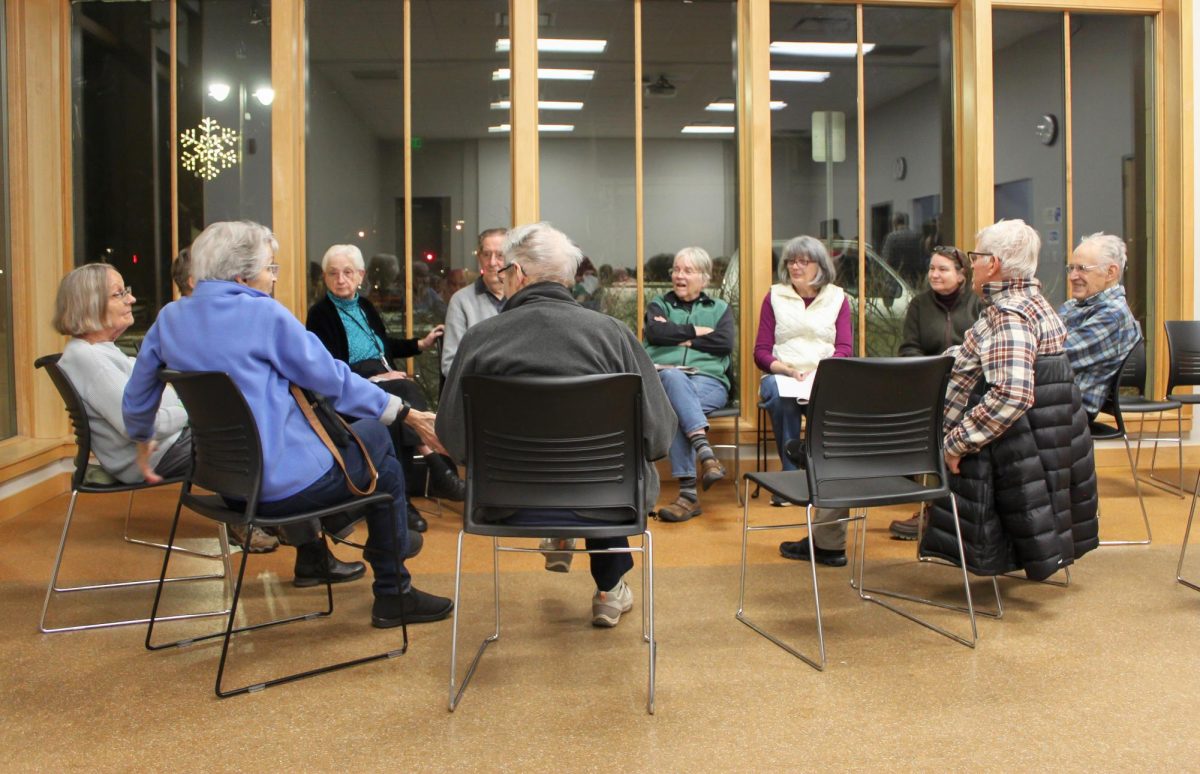
More than 50 people filled the Drake Community Library, where the Democratic Caucus took place, chatting over tables scattered with petitions, campaign materials and cookies. Attendees gathered in small precinct-based groups to review party business, discuss issues and plan for upcoming conventions.
As voters gathered for the caucus and took the occasional cookie from the sign-in table, some also signed petitions for local Democratic candidates. Petitions were available for candidates running for U.S. House, attorney general, secretary of state and other state offices, allowing residents to help those candidates qualify for the Democratic primary ballot.
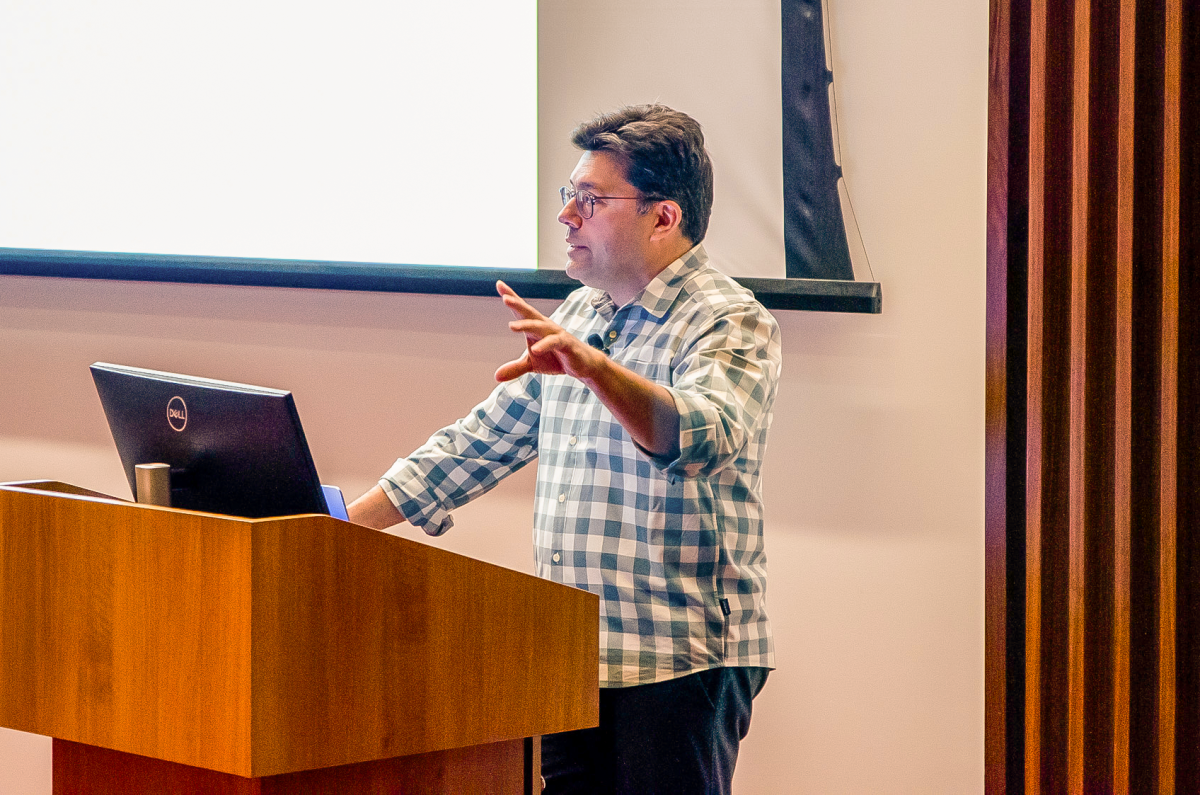
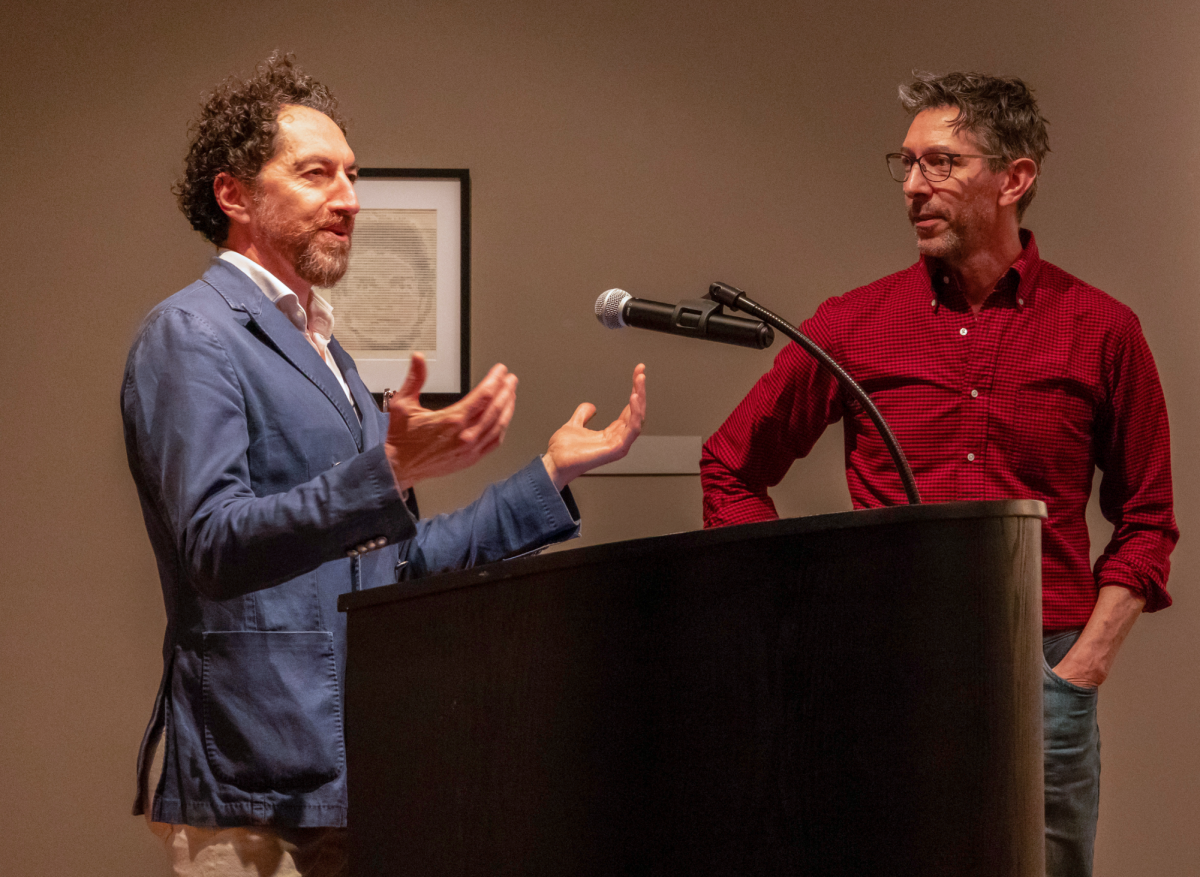
Alongside petition signing, John Grennan, co-chair of the Poweshiek Democratic Party, explained off-year caucuses as a time where “we try to support people who are running for office in Iowa, make sure our neighbors are engaged and give them a chance to talk about the issues that matter to them.”
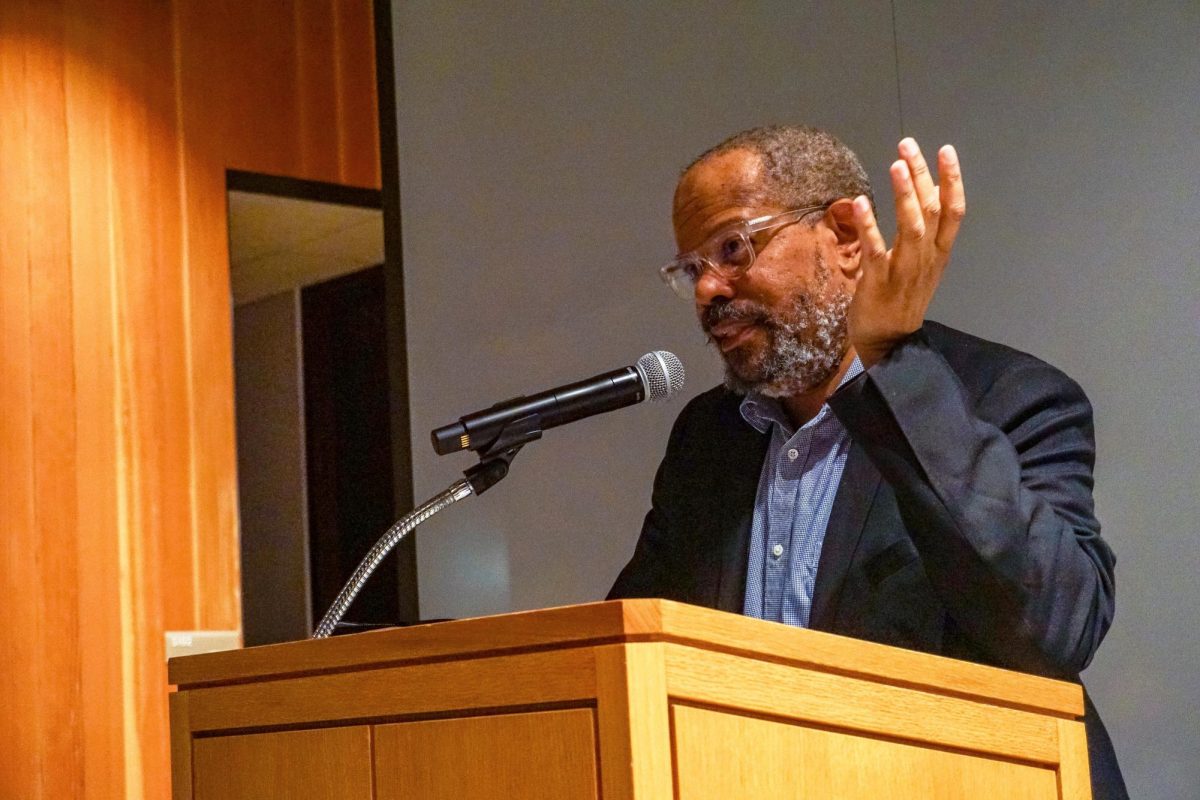
The crowd was largely older adults, many of whom had been active in the party for years, signing petitions for Democratic candidates and organizing for upcoming conventions. Retired community member and activist Frank Appleton said, “It’s the best place I’ve found to feel the brotherhood of being a Democrat. Right here in town… it’s a great place to know what’s going on and to get your opinion in.”
Once attendees were separated by precinct, each group selected two individuals to serve on the central committee for the next two years. “It’s basically just going to meetings once a month and getting involved with people who are in your area,” said Grennan. “You don’t have to be a member of the central committee to attend our monthly meeting. We always welcome new faces and ideas.”
Off-year caucuses like Grinnell’s also serve to organize the local Democratic Party and select delegates for upcoming district and state conventions. “The main things we’ll be doing is reviewing the platform… and then we’ll be sending people on to be delegates for the state convention,” Grennan said. “That’s important if you care about what’s happening to Democrats in Iowa, because a lot of these decisions are made there.”
Various topics of interest were discussed, ranging from the economy and cost of living to healthcare and Immigration and Customs Enforcement (ICE) activity, reflecting concerns at both the local and national levels. “They care about farmers, they care about things that are happening with the tariff policy, they care about people who are losing health insurance,” states Grennan.
The Grinnell community’s collective outrage at ICE activity nationwide sparked discussions of community initiatives, with multiple local activists, including Appleton and Liz Rodrigues, Grinnell College’s Humanities and Digital Scholarship Librarian, bringing attention to various community efforts. Such efforts include the Grinnell Organizing Collective’s anti-ICE protests every Wednesday, transportation to Des Moines for the No Kings Protest and other protests and events throughout the year. Appleton noted that he hopes to inform more community members about these efforts and invite them to join them for the next No Kings Protest on March 28.
With petitions still open and upcoming conventions, organizers said they hope to involve more residents, including college students, in future efforts.
At Grinnell High School, the Republican caucus was underway, with temporary chair Richard Coley leading the small meeting.
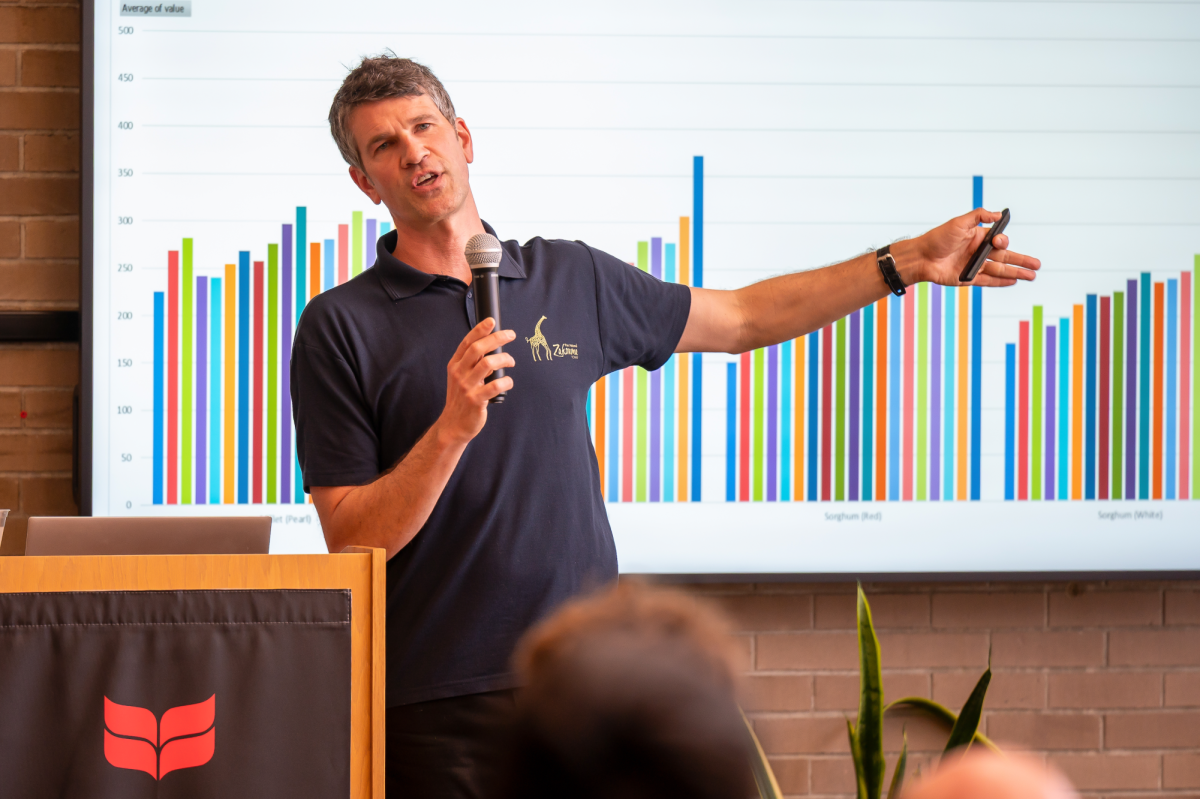
Turnout was low, with around 25 attendees total, noted coordinator David Walford. “Midterms are historically low participation, so this is a good example of that,” he said.
At the caucus, participants were also asked to submit “planks,” or policy ideas they would like the Republican Party to prioritize. These suggestions are collected at the county level and can be passed on to state and national party organizations. Walford explained that planks give local members “an opportunity to express what they like and don’t like” about the party’s priorities.
According to Walford, Republican caucusgoers were concerned about drug issues and the economy caused by the previous administration allowing inflation to happen.
As the June 2 primary election approaches, local organizers from both parties hope to maintain momentum and involve more community members in the political process.
Contributed reporting by Akira Keene Teotrakool.
Correction: This article has been edited to remove a misleading statement regarding turnout at the Republican caucus, and to correct the accidental misspelling of a name. Updated 2/7/26.