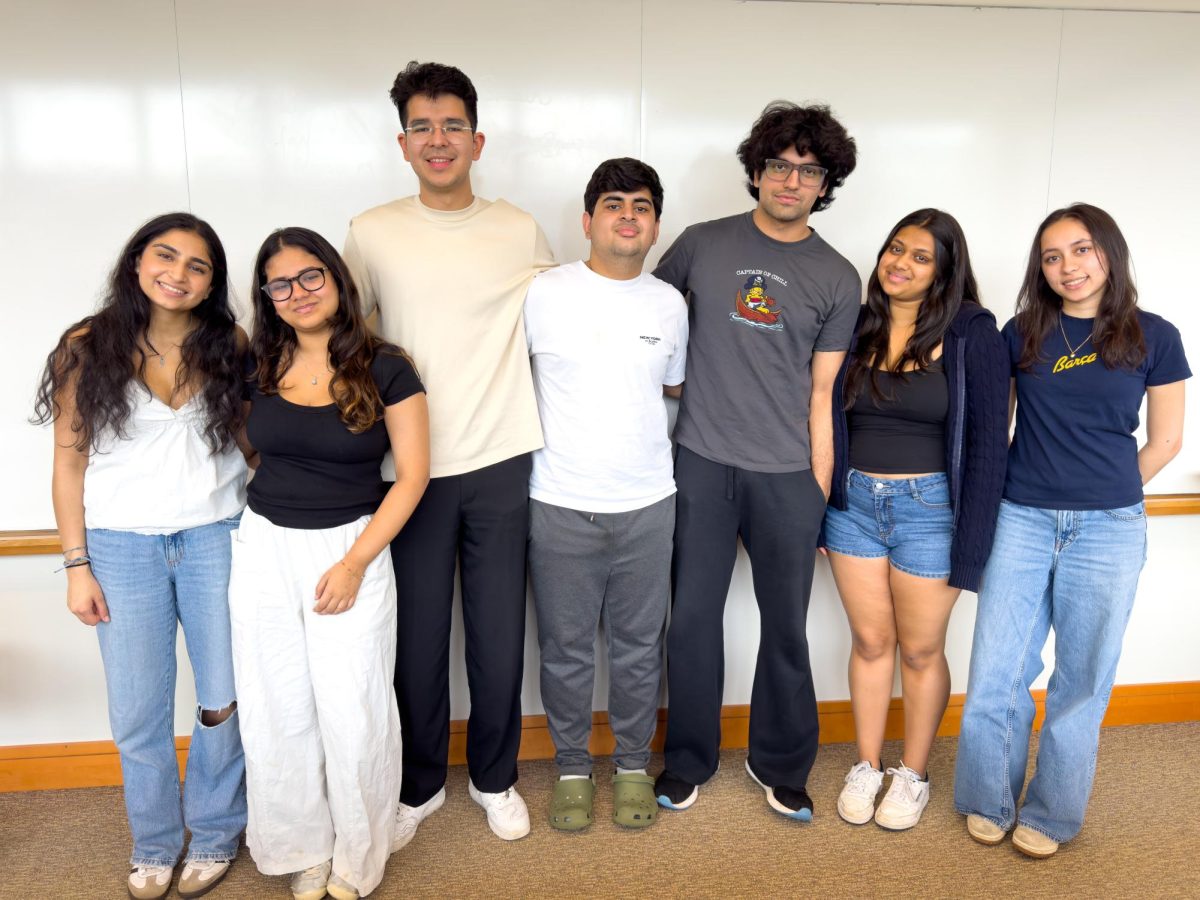










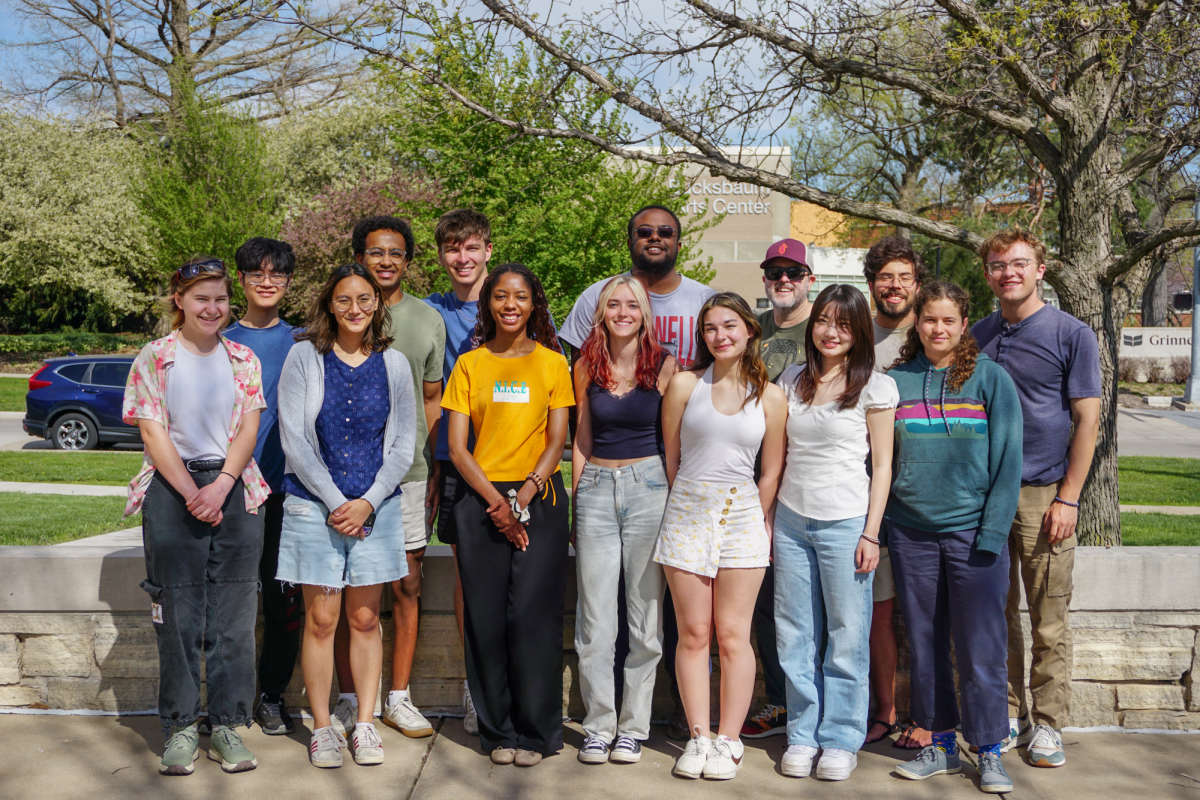
















Grinnell College Mock Trial dove deep into the world of reality TV for their first invitation competition of the 2025-26 academic year, bringing home a winning record for the team.
Students litigated the chilling murder case of Rob Armstrong on the fictional set of “The Saboteurs,” that claims show contestant Charlie Martin placed oxalic acid in Armstrong’s diving mask before an underwater challenge, causing his death.
Midlands v. Martin is the American Mock Trial Association’s 2025-26 case. Every college-level mock trial team across the country receives the same case and prepares material from the case packet to formulate statements for team members to memorize for competition.
The Mock Trial team attended the invitational held at St. Olaf College on Nov. 22 and 23, where they competed against other college teams. They left with four wins, one tie and three losses.
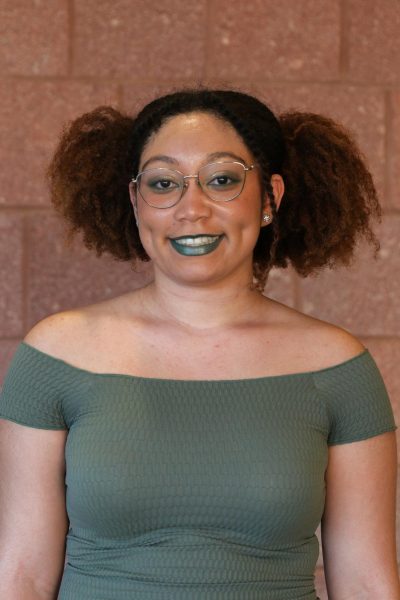
“The vast majority of teams don’t walk out of there with a winning record, which was cool for us,” said Kaycie Brookens `26, one of the captains of the team.
Brookens said that the team had the second largest combined strength out of everyone at the tournament. She said she was proud of everyone on the team, especially knowing that they went against schools that have coaches and funding for their mock trial teams.
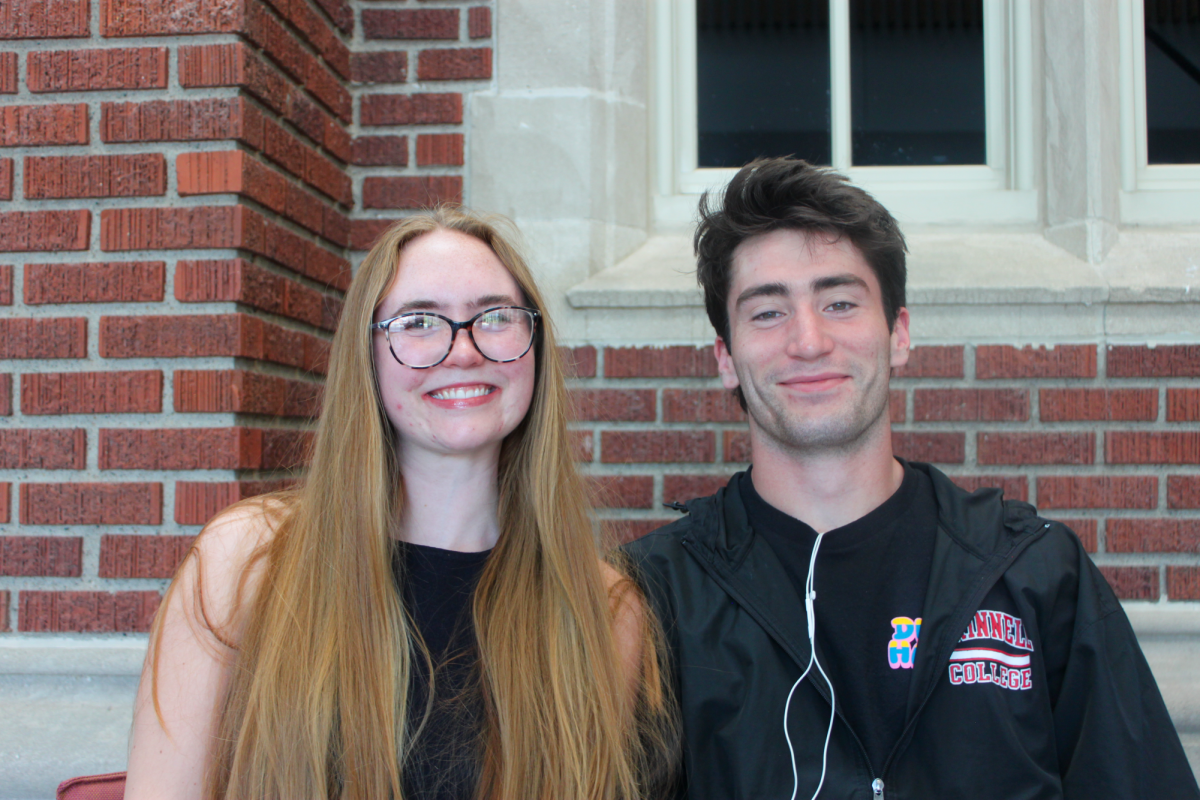
One challenge the team has faced is the lack of a coach. Molly Tolsdorf `27, another captain of the team, said that several years ago an attorney from the town used to come to the school to help out with the mock trial but that stopped when the program shut down.
Since the team doesn’t have an official coach, William Wu `26, another captain on the mock trial team, has been the team’s coach. Brookens explained that Wu knows the rules really well which has been a strength to the team.
“We went up against really good, rigorous competition,” said Brookens. “And we still managed to pull a winning record despite going against these really rigorous teams.”
The team has dedicated many hours to this case. They have two hours of regular practice on Mondays and Wednesdays and between two to three hours of practice on Sundays. Tolsdorf said that she understands it’s a lot of commitment for people, especially for people who have other academic commitments.
According to Brookens, the team has implemented much more structure with their practices this year. They developed a scrimmage team and a traveling team that regularly have scrimmages together to build their skills. The team culture has also developed this year.
“I think everybody’s way better at being friends this year,” said SaraGrace Lamb `27, another captain on the mock trial team. “Before it was a whole bunch of people who wanted to do mock trial, and now it’s a whole bunch of people who want to do mock trial together.”
“It’s come together in a very beautiful ‘Breakfast Club’ kind of way,” Brookens said.
The team’s next invitational will take place in January before regionals in February.
Lamb said the team has prioritized focusing on understanding the American Mock Trial Association’s rules, specifically objections and working towards getting everyone on the same level.
“I think we’re at the point where we have the fundamentals when it comes to portraying a character or knowing the basic ins and outs of easier objections,” said Brookens. “But when it comes to these really nuanced parts of the law, I think we are finally at a point where we have the opportunity to really delve into that and kind of build our skill and nuance as a team.”
As the team continues to prepare for invitationals and regionals, their attention is on continuing to foster a dynamic positive environment. “We always have space on our team,” Lamb said.