











After a quiet start to the fall semester, Grinnell Concerts coordinators are preparing for their first show of the year — and they have a lot to say about why it took so long to get here.
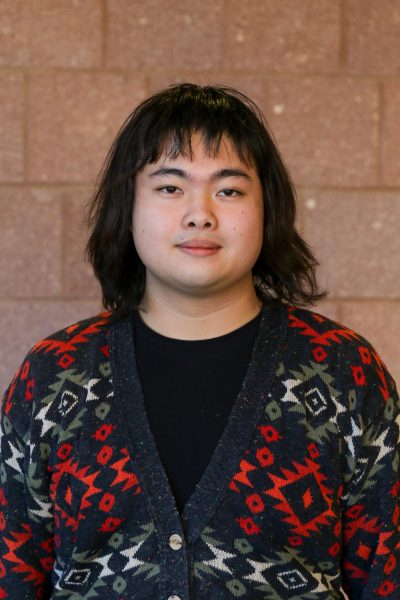
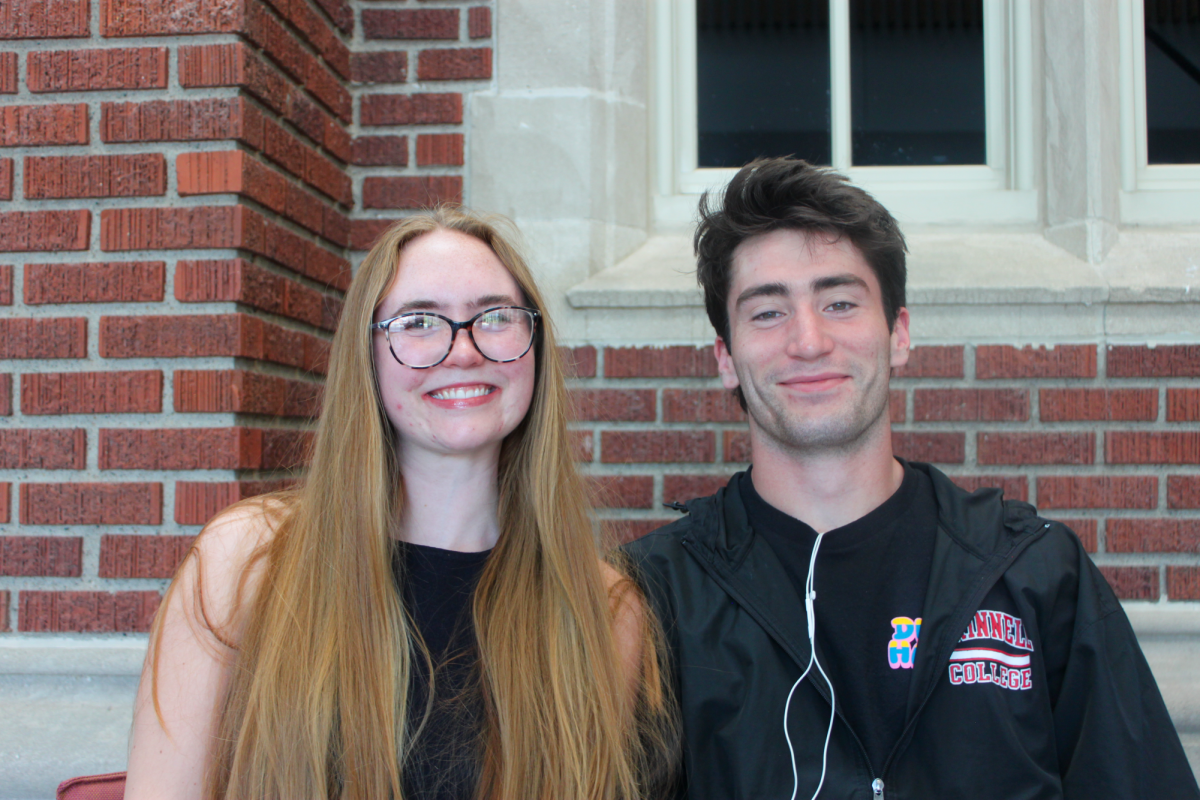
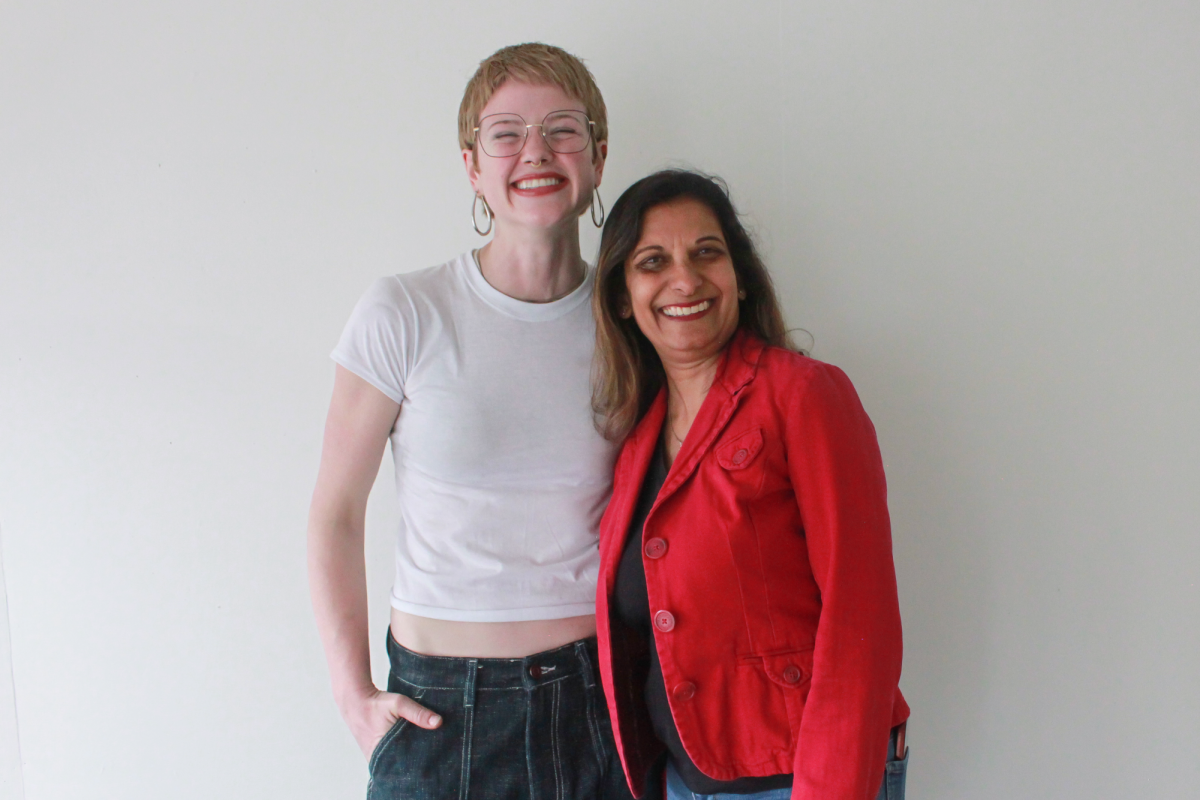
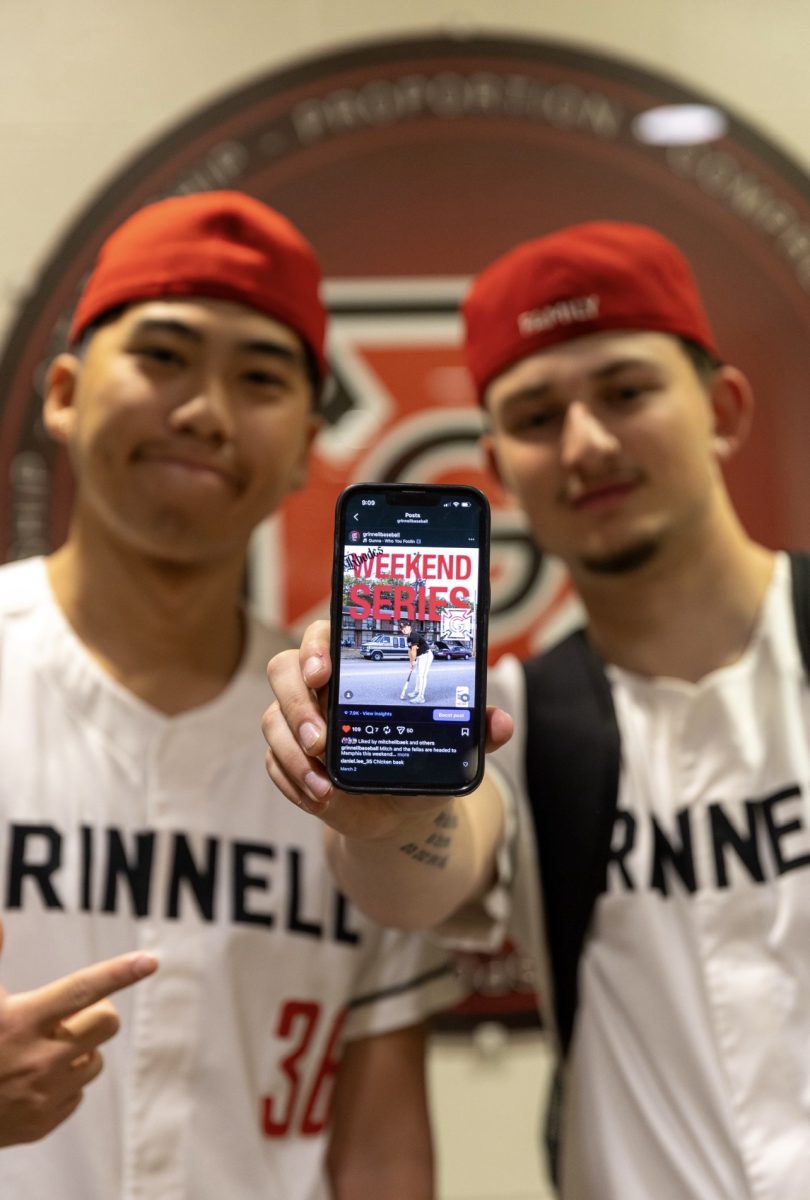
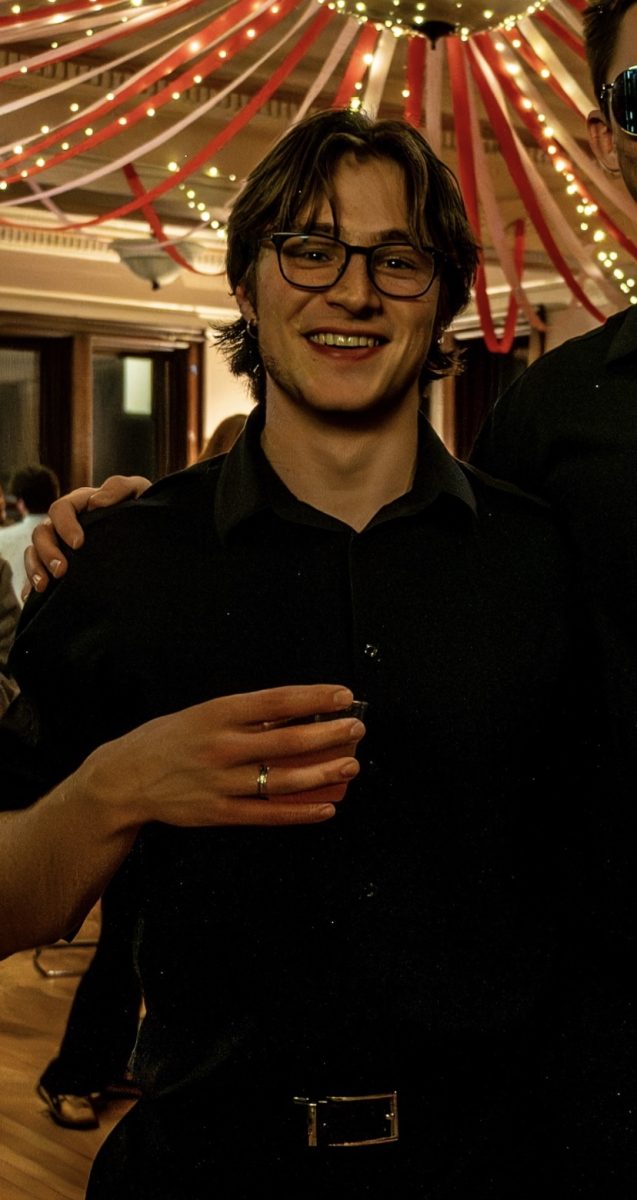
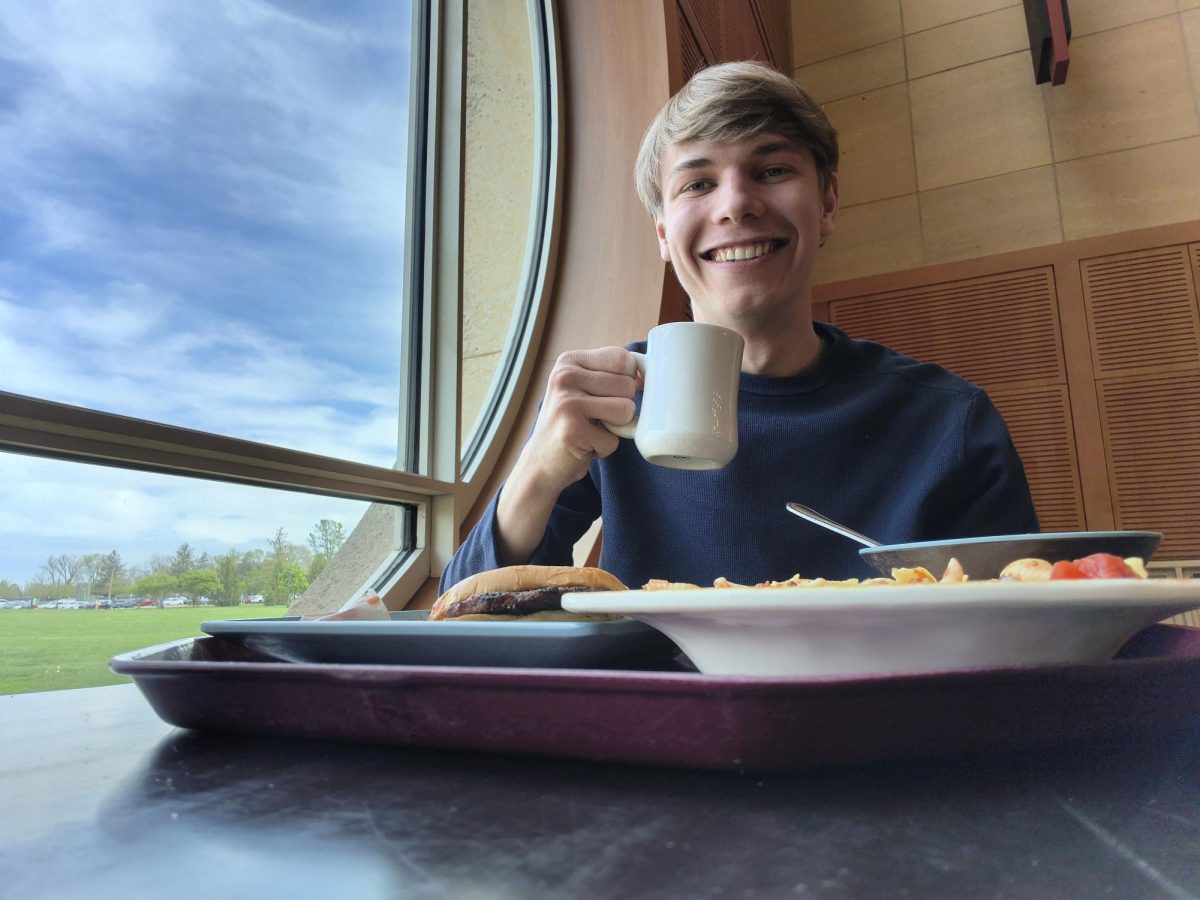
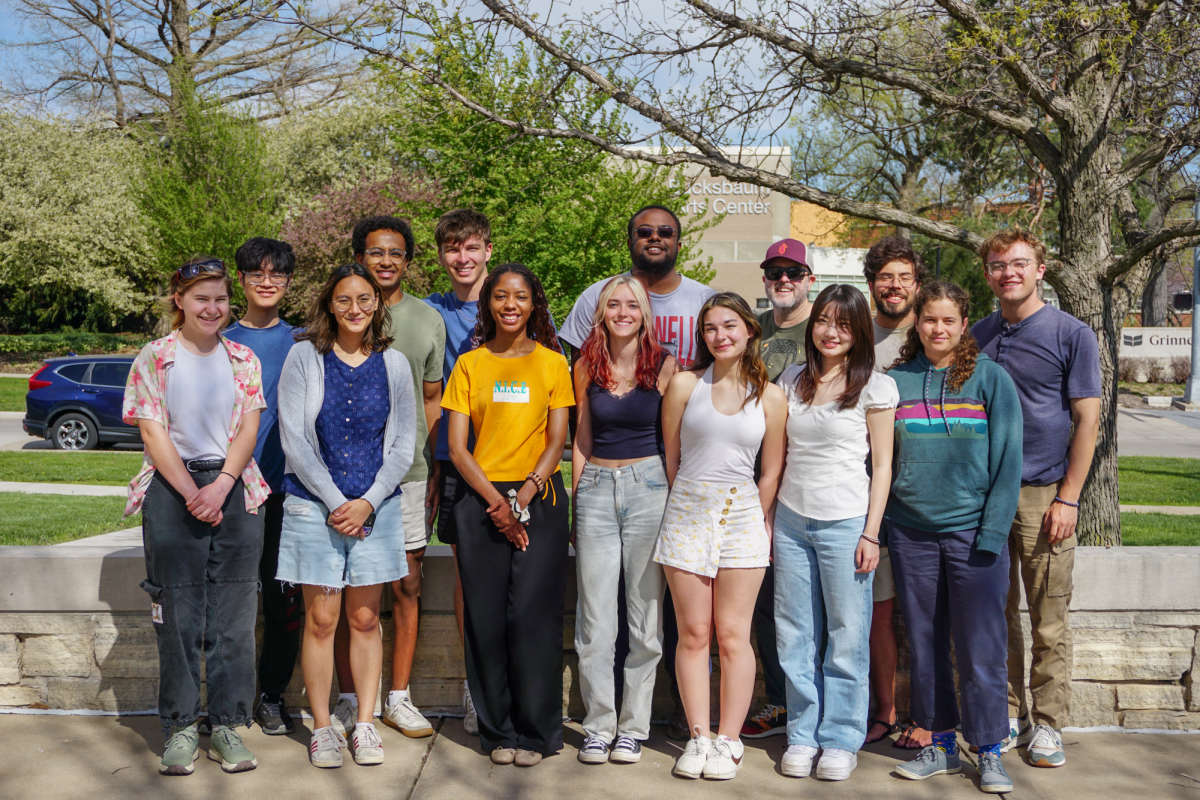
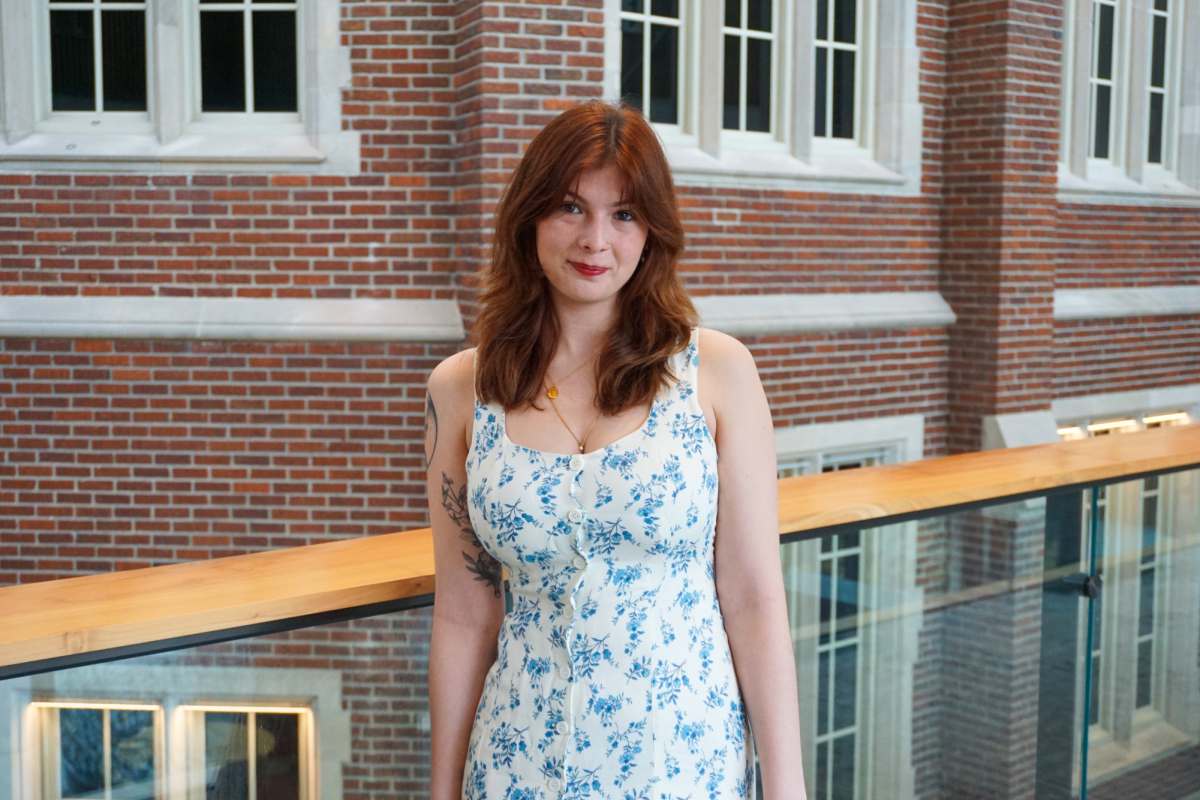
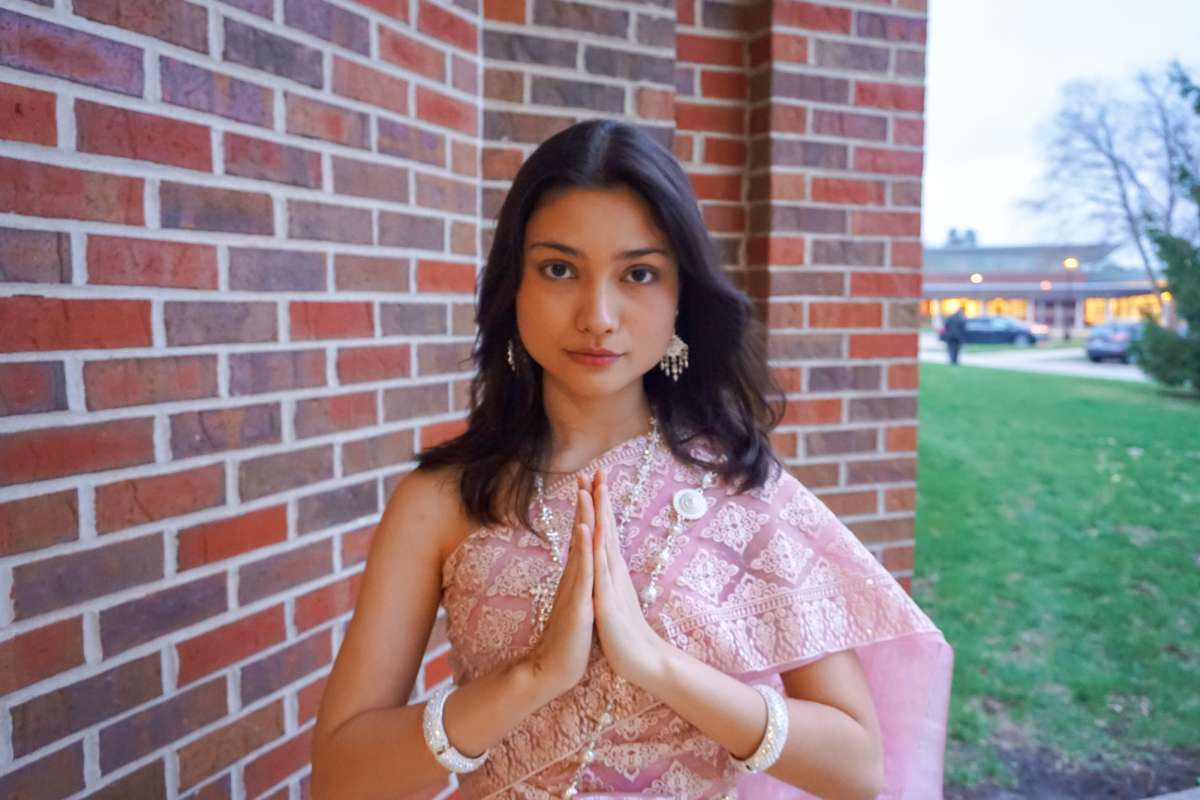
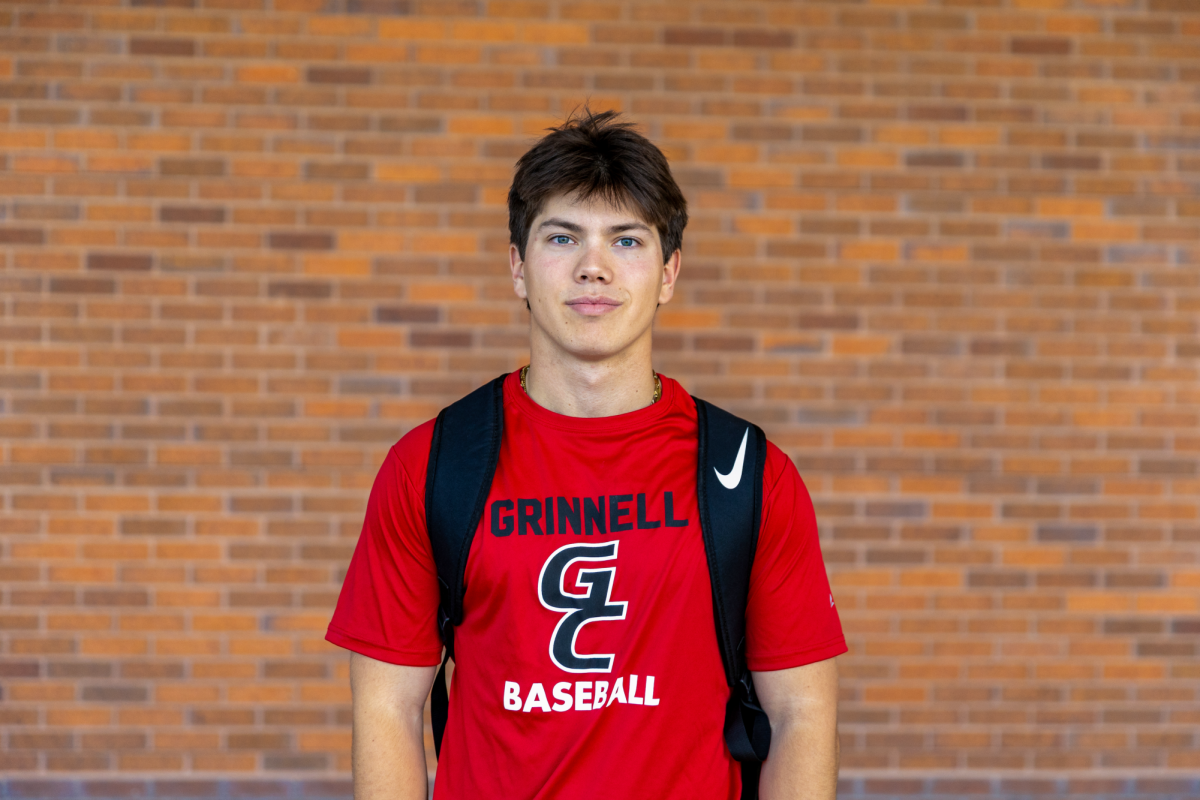
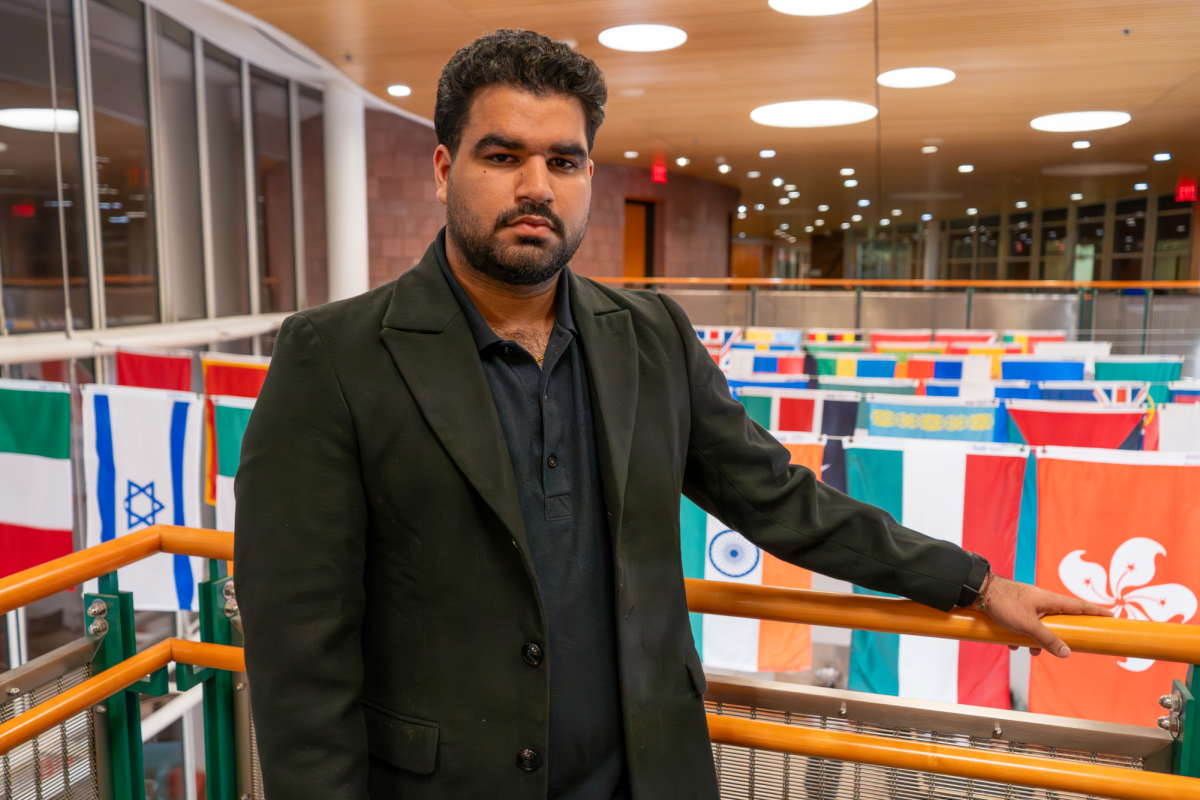
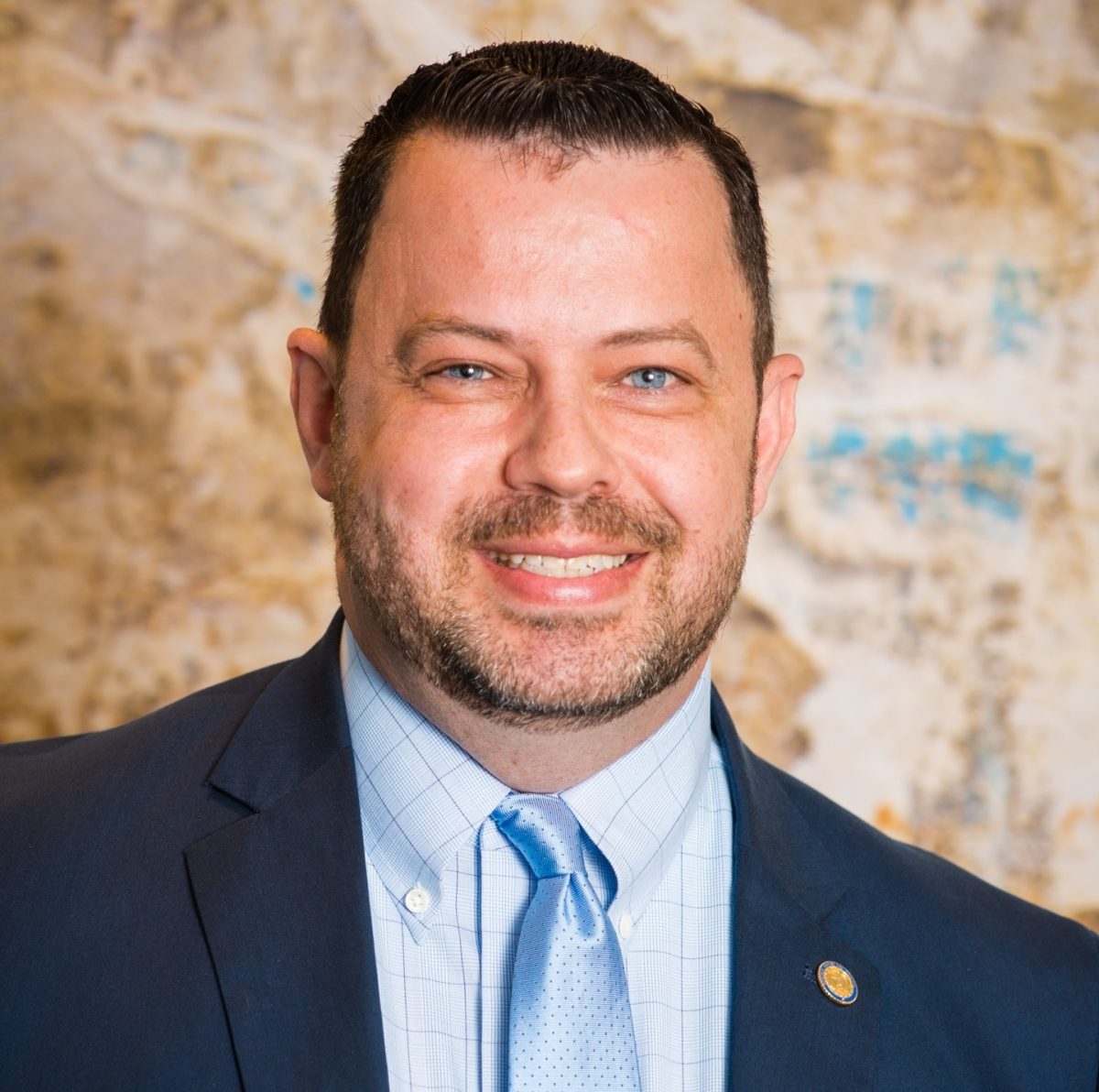
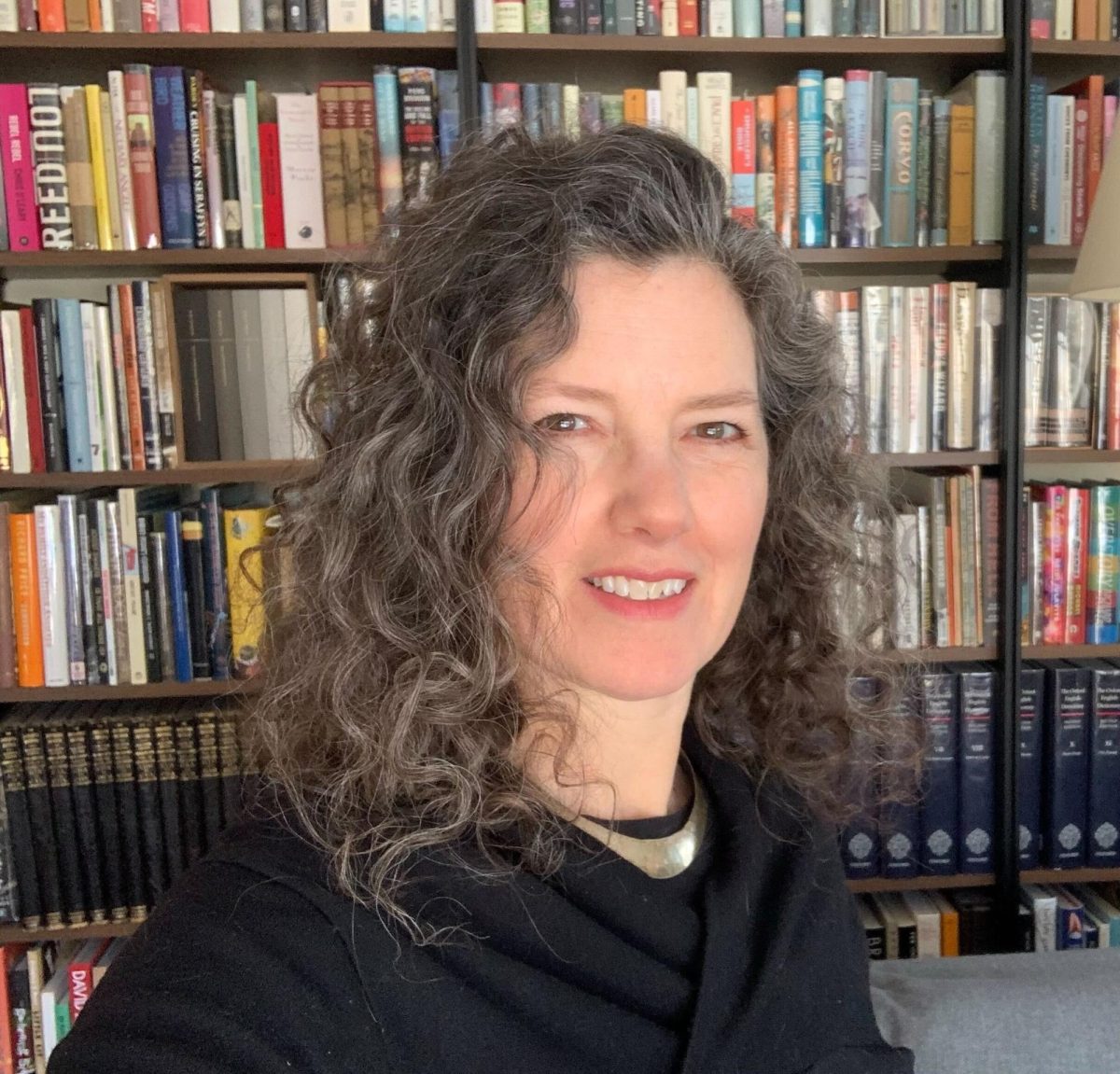
Renz Iurino `27, Nicole Amoah `27 and Ethan Reske `27 are this year’s student coordinators for Grinnell Concerts, the student organization responsible for bringing live music to campus. All three started as volunteers during their first year and have since taken on the responsibility of booking artists, managing budgets and coordinating with the student committee of volunteers.
What happened to Rio da Young OG?
The Detroit rapper was originally supposed to perform on campus last spring. According to Reske, the booking process started in spring 2025, with plans for a show at Grinnell as part of the artist’s larger tour. However, the show had to be postponed because Rio was on parole following his release from prison.
Grinnell Concerts first announced the postponement on Instagram with a video of Rio on Jan. 19.
Coordinators settled on a tentative date for fall 2025 to bring the show back. But as discussions continued, the situation became more complicated. “No contracts were signed. Nothing was official,” Reske said. “So it was kind of a question of, ‘is this going to happen?’”
The Rio booking process moved quickly, but discussions were long and involved different coordinators. “It was a conversation that was had across many months because of the parole extension, but also across different coordinators and different people, and it got lost,” Iurino said.
One major issue was the artist’s rider — a document outlining the technical and hospitality needs an artist requires from a promoter to perform. Rio’s rider included requests that far exceeded what Concerts could deliver. Various items Grinnell as an academic institution couldn’t purchase for student events, such as alcohol were on the list. “They ended up sending a rider that was probably monetarily equivalent to half of their booking fee,” said Iurino.
There were also practical concerns about venue capacity and equipment. Gardner Lounge, Concerts’ primary venue, is significantly smaller than professional music venues. “Our venue Gardner is small. It’s a lot less developed than some other colleges or other venues that are venues only in themselves,” Reske said, adding that the organization also did not have the most robust lighting system for an artist of Rio’s caliber.
There were also safety concerns about managing a large crowd, as the show would have likely drawn students from other Iowa colleges. “As the first show with a pretty new team of coordinators, it was going to be difficult to work with a lot of demands that we couldn’t meet, and also such an incredible influx of audience members,” Reske said.
Then, on Sept. 25, Grinnell Concerts announced on Instagram that the show was cancelled. Rio would no longer be performing at Grinnell College entirely, citing “circumstances out of our control.”
“At the end of the day, it wouldn’t have been the right outcome for the college community and for their team either, because we wouldn’t deliver a massive venue sellout,” Iurino said. “I don’t think that students would love being jam packed in the Gardner.”
The coordinators said they are still talking to Rio’s agent and are looking at booking other artists through that connection.
How Grinnell Concerts Work
At Grinnell, the process of booking shows starts with coordinators reaching out to artists or their booking agents. Coordinators handle outreach, negotiate fees, and draft contractual agreements. But everything must go through their supervisor — coordinators can’t simply approve bookings on their own.
“It’s all very regulated and contractual,” Amoah said. The organization has “a pretty decent amount of resources from the college by way of budget and money,” Iurino said, but financial constraints often shape booking decisions.
“When you’re booking a show and you’re paying artists, what you’re honestly paying for is a per person,” Reske said. “If you’re paying for a large show, $25- or $30,000, you have to get good turnout. Otherwise, you’re paying $500 a person, which is a ridiculous amount of money.”
This financial reality means coordinators balance bringing in recognizable names with supporting smaller artists. “Those names keep our engagement high, and then keep the name of Grinnell concerts out there,” Iurino said, referencing past shows such as Saba.
But smaller artists provide the financial means for Concerts to put on more shows. “I am more for smaller artists, because we’re able to have more shows, instead of one big show and then there’s nothing else for the whole year,” Amoah said.
For the three coordinators, student engagement is crucial to creating a vibrant concert culture on campus. Venues like Harris Concert Hall feel too big and empty, so students don’t show up. Gardner works better precisely because it is small and creates atmosphere.
“I think most of the time it’s less an issue with the venues themselves, but rather how they can situate an audience and how they’re already perceived by the student body,” Reske said. “Nobody wants to go to a concert that feels empty, so nobody shows up in the first place.”
Reske said the Gardner Lounge concert setup is unusual, allowing for a very unique and intimate experience. “You can stand a foot away from somebody putting their soul out there. A lot of colleges don’t have that.”
The coordinators want students to be engaged with concert culture, including being more vocal about what music they want on campus, as well as volunteering with the technical side of shows. They also urged students to show up for concerts, even for artists they don’t know.
“I think something that happens in small campuses, we get kind of cliquey, whether that is in our majors or just with who we hang out with,” said Amoah. “Talk about your music. Talk about what you like. This is part of the college experience. You can’t stay in your room … You’re here, so broaden your mind and your experiences.”
“At the end of the day, it’s a school of 1,700 kids,” Iurino said. “You can have a direct impact on what music comes to campus and what culture you bring.”
On Nov. 7, Grinnell Concerts will host Kaicrewsade, a Chicago-based artist, in Gardner Lounge at 9 p.m. with doors opening at 8:30 p.m.. The show is free and open to the public. The artist, who has a jazzy sound with instrumental elements, is performing on campus between tour stops in Chicago and Denver. An opener, Menace4hire, will also perform.
A second show is planned for later in November, though details are not yet finalized. Students can email recommendations to [email protected] or attend Concerts Committee meetings every Wednesday 7 to 8 p.m. in Gardner Lounge. The committee is open to anyone interested in sharing input on what artists should come to campus.