





















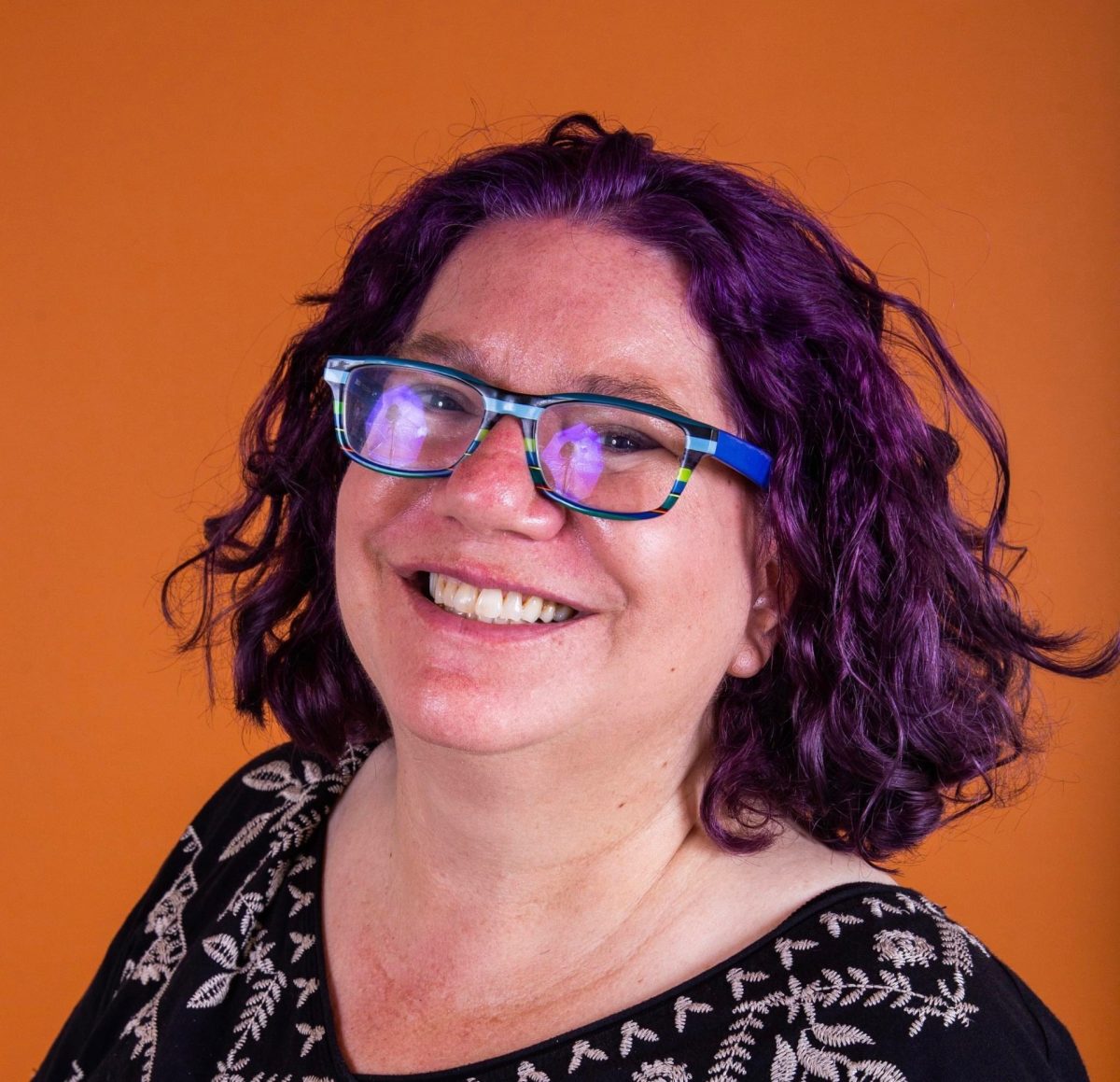











For Missy Poush, a dental visit has always carried the weight of her past — the years she spent homeless, the teeth she couldn’t afford to fix.
So three years ago, when her dentist said he could no longer treat her or her four children, because of low Medicaid reimbursements, it reopened old wounds.
“We got kicked out,” she said. “It now feels like sliding backward where I had made progress in my life.”
Poush, a Grinnell resident, said that when her children needed braces, all her savings went toward paying for out-of-pocket care — money she said could have otherwise gone toward much-needed home repairs and other needs.
Poush’s experience underscores a larger issue — in Poweshiek County, where about 11 percent of residents live below the poverty line and one in six rely on Medicaid, no dental provider within 50 miles accepts Medicaid patients. The result, advocates say, is a growing dental care desert across rural Iowa.
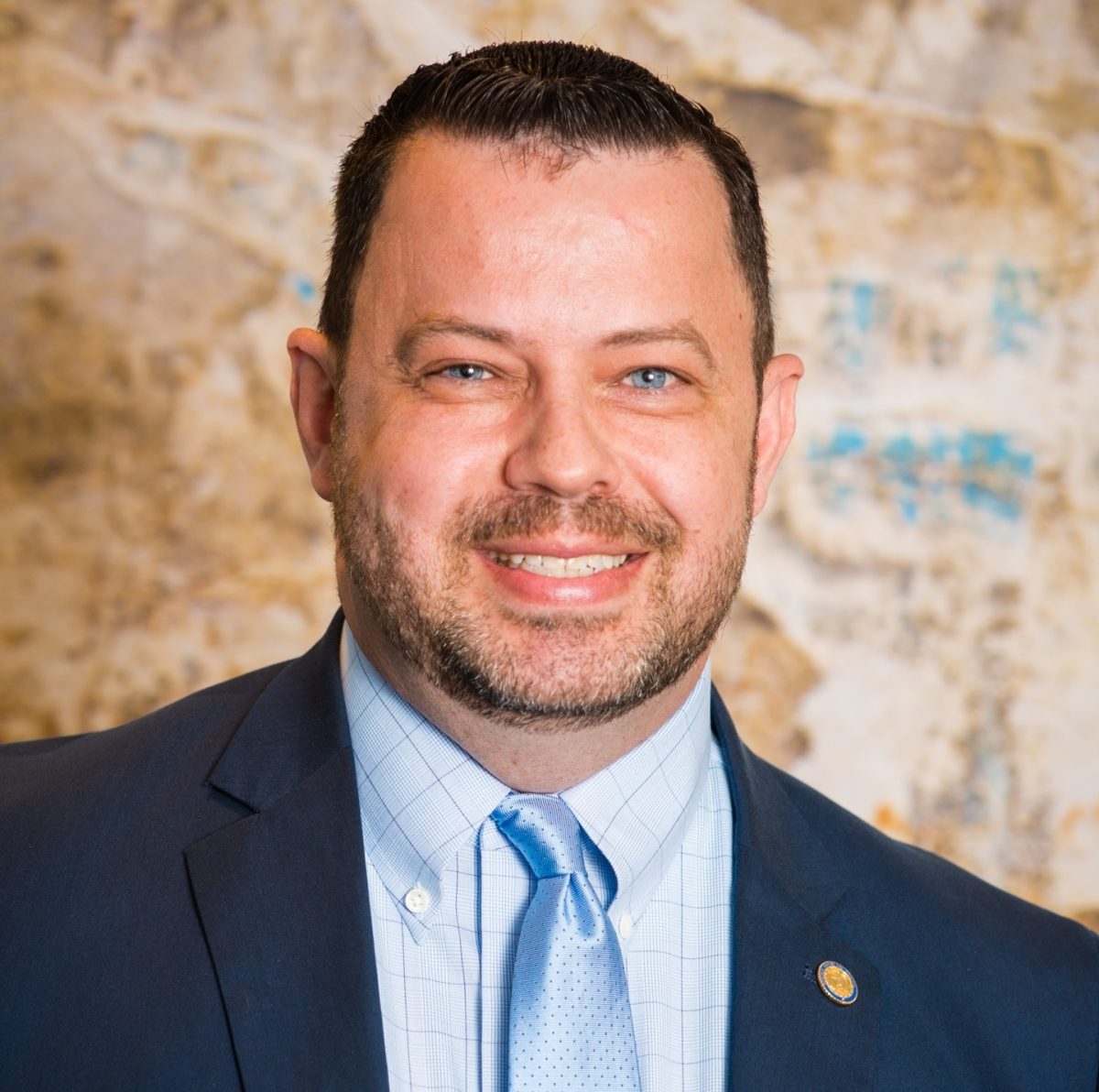
“The main challenge is that dental Medicaid reimbursement rates are well below the actual cost of providing care,” said Josh Carpenter, government affairs director for the Iowa Dental Association (IDA).
While state data shows that about 670,000 Iowans were enrolled in Medicaid for dental coverage in 2024, nearly 100,000 more than in 2016, Carpenter said reimbursement rates have not significantly increased in more than two decades.
On average, Medicaid pays just 25 to 30 percent of what dentists typically charge, according to the IDA.
Carpenter said that rising overhead costs and a shortage of hygienists and assistants are also making it difficult for many providers to participate in Medicaid.
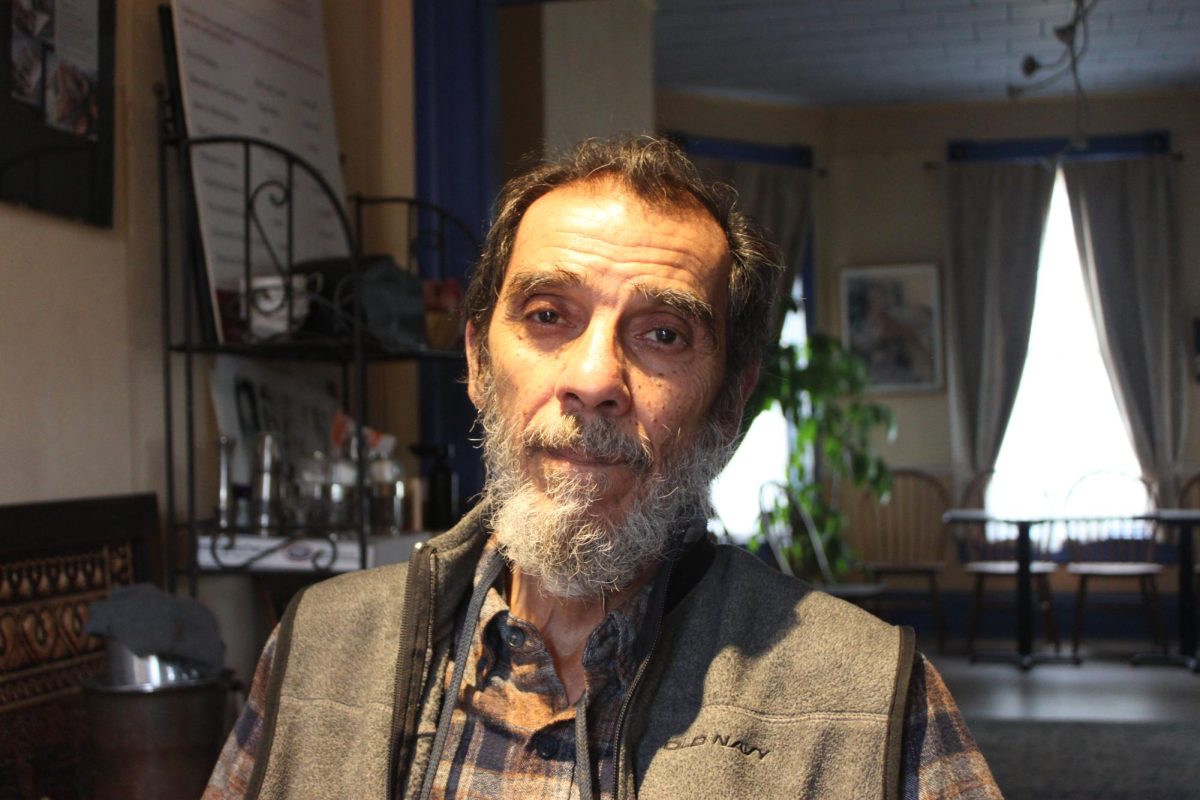
Local dentists echo that concern. Dr. David Cunningham, a dentist in Grinnell, said the main issue in serving patients on Medicaid lies in its low reimbursement rates.
“It costs us more money to do the treatment on that type of patient than the reimbursement we’re getting from the state of Iowa,” Cunningham said.
Cunningham said that for this reason, his clinic stopped seeing Title 19 patients, those with Medicaid, more than a year ago.
Dentist Associates, the only other dental clinic in Grinnell, also confirmed to The S&B that they do not currently take Title 19 patients.
Federally, the issue is on the verge of getting worse.
A sweeping federal law, branded by Republicans as the “One Big, Beautiful Bill,” is set to tighten how states finance Medicaid and cap some of the tools states use to make up for low reimbursement rates.
The nonpartisan Congressional Budget Office estimates the measure will reduce federal Medicaid spending by $911 billion over the next decade, leaving roughly 10 million more Americans uninsured by 2034.
According to KFF, a national health policy research group, federal Medicaid spending in rural areas is projected to fall by $137 billion nationwide, including about $3.84 billion in Iowa. The group estimates that the change could leave as many as 68,000 Iowans without coverage — which Poush said she knows firsthand.
“It is a little bit trauma-triggering,” she said. That feeling, she added, isn’t just about her own experience. It’s about how others see people like her.
“There’s no big reason for people with privilege to be thinking about teeth, because having bad teeth is seen as a sign of poverty, and ‘You must have done something to get like that yourself,’” she said.
Grassroots movements try to combat the issue
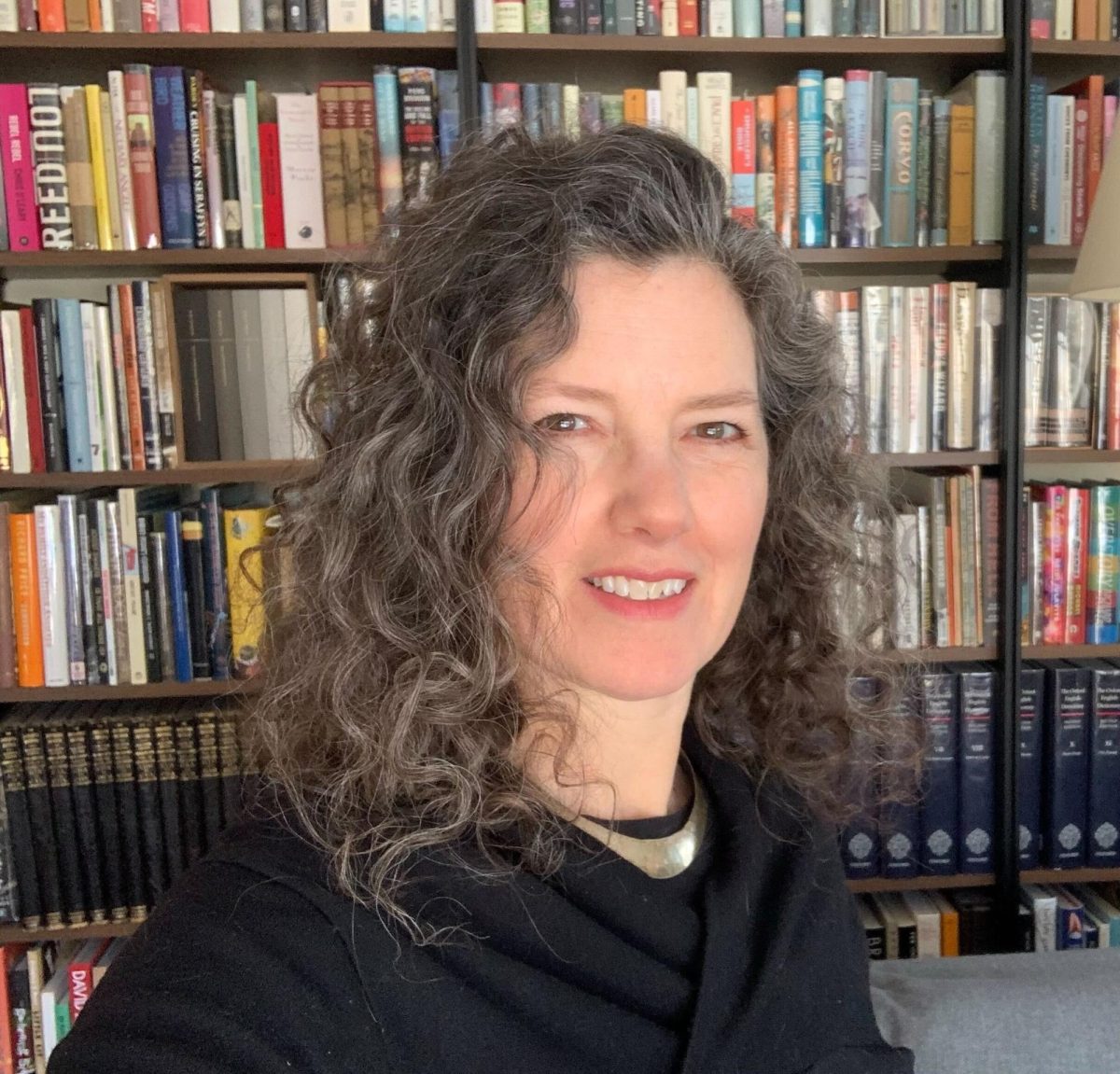
Melissa Ford, co-founder of the Poweshiek County Dental Coalition, said she still remembers meeting a Grinnell High School student whose teeth were falling out.
“He said, ‘Well, I’ve never been to a dentist before … I have Medicaid and they don’t take my insurance.’”
The student, she said, faced numerous dental problems, requiring his mother to take time off work and travel all the way to Iowa City to find providers willing to accept Medicaid.
Ford said her experience with the student inspired the coalition, a nonprofit devoted to helping underprivileged county residents access the dental care they need.
“It’s not like they could take Medicaid and we could say, we’ll pay the difference between what other insurances cover and what Medicaid covers,” she said, adding that it is illegal to supplement Medicaid funding. “So we said, ‘Why don’t we help you provide free services and encourage anybody who has Medicaid or no insurance to attend?’”
The coalition offers free dental clinics for children and teenagers.
But often, she said, the problems are so severe that they can’t be fully treated on site.
In those cases, the coalition coordinates with local dentists to ensure children receive follow-up care.
“Sometimes that means they have to go to a specialist in Iowa City or Des Moines or Marshalltown,” Ford said.
Still, Ford said, the challenges grow as patients age.
“The unfortunate thing, though, is that when adults need care, sometimes it’s after a long period of neglect in their teens, and the problems are so significant that without insurance, the cost is way higher than what we can afford as a nonprofit,” Ford said.
Ford said the coalition has occasionally been able to assist adults by covering co-pays or offsetting costs through community funds, such as the Campbell Fund, a charitable trust established to provide financial assistance to Grinnell residents experiencing poverty.
“But for example, if somebody needed dentures, that’s over $10,000 for one person, that would be our entire budget for a year,” she said. “So we have to limit the scope to our adults, and our mission is truly to help underserved children in Poweshiek County.”
That concern is echoed by Family Dentistry, where Cunningham works. The clinic continues to provide some pro bono care for children in the community. But adults, he said, are no longer a population the clinic can afford to serve.
“We saw adults for as long as we possibly could, but we have to pay for materials and staff and all the other things associated with running a medical dental practice,” Cunningham said.
For adults like Poush, the gap in access is deeply felt.

“If you have a problem with your teeth, you’re not gonna get checked in,” she said, adding that among the only better options is to seek care at dental schools, something she has done herself in Des Moines.
According to Ford, one way to measure the impact of limited dental care access for Medicaid patients in the county is by looking at the percentage of students receiving free or reduced-price lunches, a key indicator of poverty across Poweshiek County’s three school districts — Grinnell-Newburg, Montezuma and Brooklyn-Guernsey-Malcom.
About 36 percent of students in Poweshiek County fall into that category, according to the Iowa Department of Education. That level of need, Ford said, reflects what she sees every day. “I wish my nonprofit wasn’t needed,” she said.
Since the coalition’s founding in 2012, she said, access to dental care for both children and adults has only gotten worse, not because of dentists, but because of low Medicaid reimbursement rates.
The Iowa Dental Foundation also helps fill the gap through the Iowa Mission of Mercy (IMOM), a free two-day dental clinic that rotates to a different Iowa city each year.
This year’s event, held in Coralville on Sept. 19–20, served more than 1,000 people and provided over $1 million in free dental care.