














For more than a century, Grinnell College students could count on The Cyclone, Grinnell College’s student-run yearbook, to preserve their memories as it held records of campus life filled with portraits, events and student organizations.
But in Spring 2023, the yearbook was no longer a publication students could expect to see.
The decision to end the yearbook was not administrative but student-led. The quiet end of The Cyclone leaves one question — what happened?
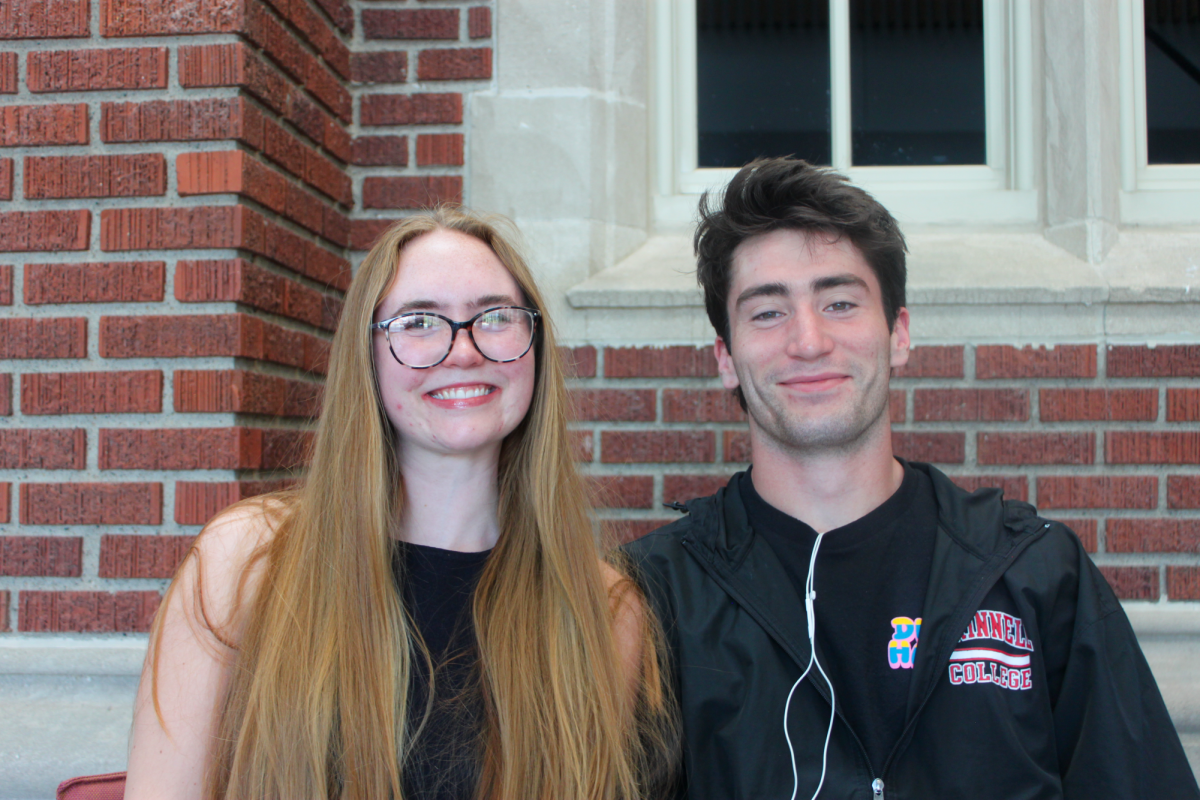
Jayn Chaney `05, assistant vice president for Alumni and Donor Relations, said that the Grinnell College Student Publications and Radio Committee (SPARC) editorial team, and 2022-23 yearbook co-editors Elizabeth Kille `23 and Sunny North `23 made the decision based on students’ lack of interest for the yearbook.
They felt that SPARC’s resources could be better used elsewhere.
Chaney said that decreased interest from the student body in ordering copies of the yearbook led to SPARC reconsidering the amount of time and labor that went into the production process in relation to the resource output.
These combined factors led to its dismantling.
Though the Alumni office provided advisory support for The Cyclone from 2016 to 2023, they were not involved in the decision to end the publication.
“We accepted the decision and said okay, but we did not influence or participate in those conversations,” Chaney said.
Former SPARC chair Emily Hackman `15 saw an opportunity for them to support the editors in helping streamline the production and distribution process.
Chaney said that Hackman noted a greater financial support need following a problem with the 2014 books and timely distribution to students.
She said the problem was that a student gave money to another student to buy a yearbook but that student never actually received the yearbook.
She said this issue worried the SPARC team since money was involved, which led to the Alumni office being asked to help make sure distribution ran more consistently.
“Our office was kind of a natural fit, because I think yearbooks are really about sort of telling a beautiful story about a shared experience, and their value is one that increases over time, right?” said Chaney.
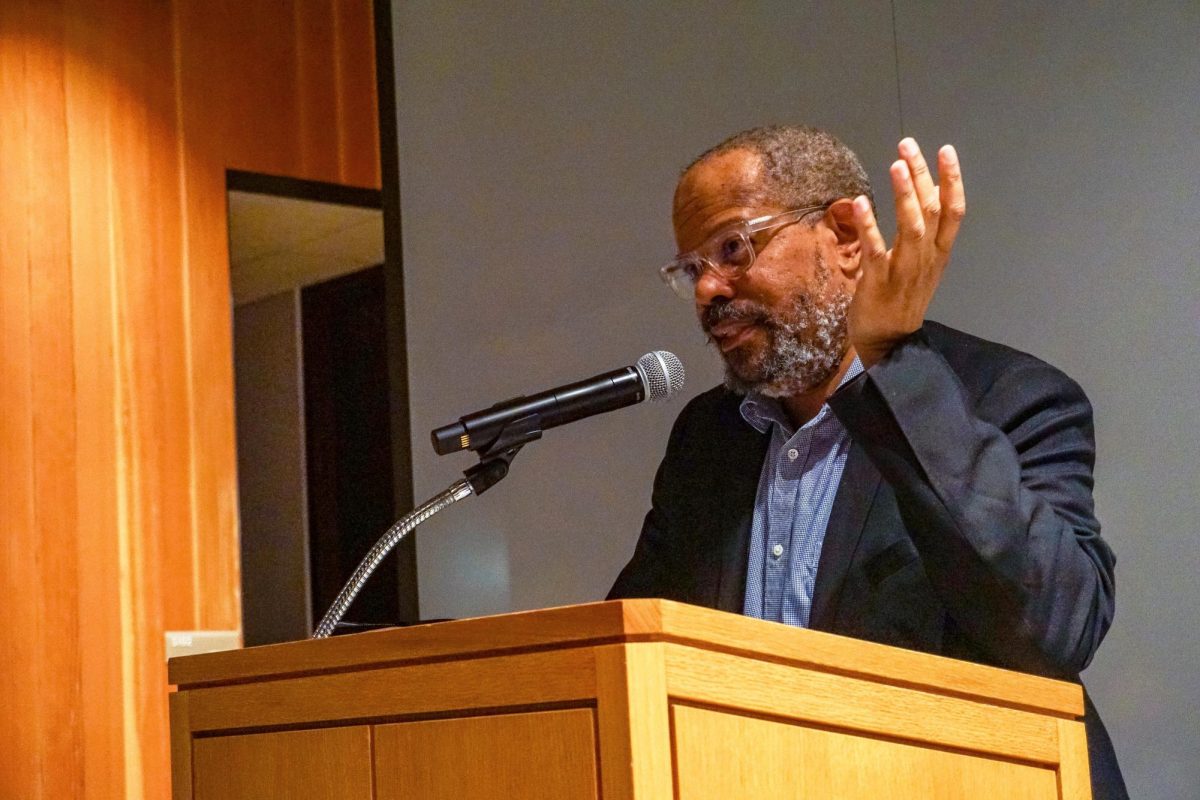
Marvin Barnes `76, former editor of the yearbook during his time at Grinnell, said that the yearbook was called The Grinnell Book his first year, and that the entire publication was student-run with minimal interference.
He said that the Communications Office would meet with yearbook staff at the beginning of each year to plot ideas to get a general sense of what the yearbook was going to look like.
The office primarily oversaw funding and contracts with any publishers to take that burden off the editor’s shoulders.
While yearbooks weren’t central to campus life even then, Barnes said the team tried to focus on stories and images that students would connect with later.
He said that included candid moments from everyday life, like snowstorms, food service mishaps and shared student experiences.
Barnes said that the Student Government Association (SGA) had a significant impact on campus culture in his time, from blizzards to a flu epidemic.
“In the yearbook we made a point of trying to emphasize some of those things that were memories for people,” said Barnes.
Barnes emphasized the importance of the yearbook for remembering events that happened on campus but also for remembering your cohorts.
“It’s a major loss. Five, 10, 15 years down the road, after leaving school, you will say ‘I remember this person,’” said Barnes. “‘Where did I meet them? How did I meet them? What thoughts do I have? There’s something there, but I can’t pin it down,’ and you’ll find the yearbook is a triggering mechanism to bring those thoughts to the forefront.”
He said the yearbook plays an important role at reunions.
“For class of `75, that yearbook meant a lot to people. Being able to sit down and see who are we missing in this group that’s gathered together on campus, what ideas did we lose or last thought of in preparing a reunion and being able to celebrate it,” Barnes said.
With The Cyclone now gone, students and staff point to other ways campus life is being documented.
Platforms like Instagram and TikTok now hold many of the memories once preserved in yearbooks.
Meanwhile, campus media and other student-led publications like GOGUE, Grinnell’s fashion magazine, have stepped in to capture stories through journalism and art.
“Student publications kind of come and go, right, other than maybe The S&B, which has been around a very long time,” said Chaney.
Any history of The Cyclone would be incomplete without mention of its most controversial edition — the 1966 yearbook.
Described as “a beautiful, artistic product” by Chaney, the 1966 edition featured striking images of students smoking marijuana.
She said the College’s administration refused to publish the book at the time, citing concerns about endorsing illegal activity.
The decision sparked protests on campus, including at commencement.
The entire Scarlet & Black editorial staff resigned in solidarity.
The yearbook remained unpublished for 20 years before it was finally printed under college President George Drake.
This edition of the yearbook has become a highly coveted object as there are only a few copies to exist.
While the tradition of The Cyclone may have ended quietly, students are welcome to check out the past editions which are available in print and online through the Burling Library.