



































Grinnell College’s future enrollment of international students, career advising and hiring of international faculty is unclear at the moment since President Trump’s executive order to impose a $100,000 fee on new H-1B visa applications went into effect on Sept. 21.
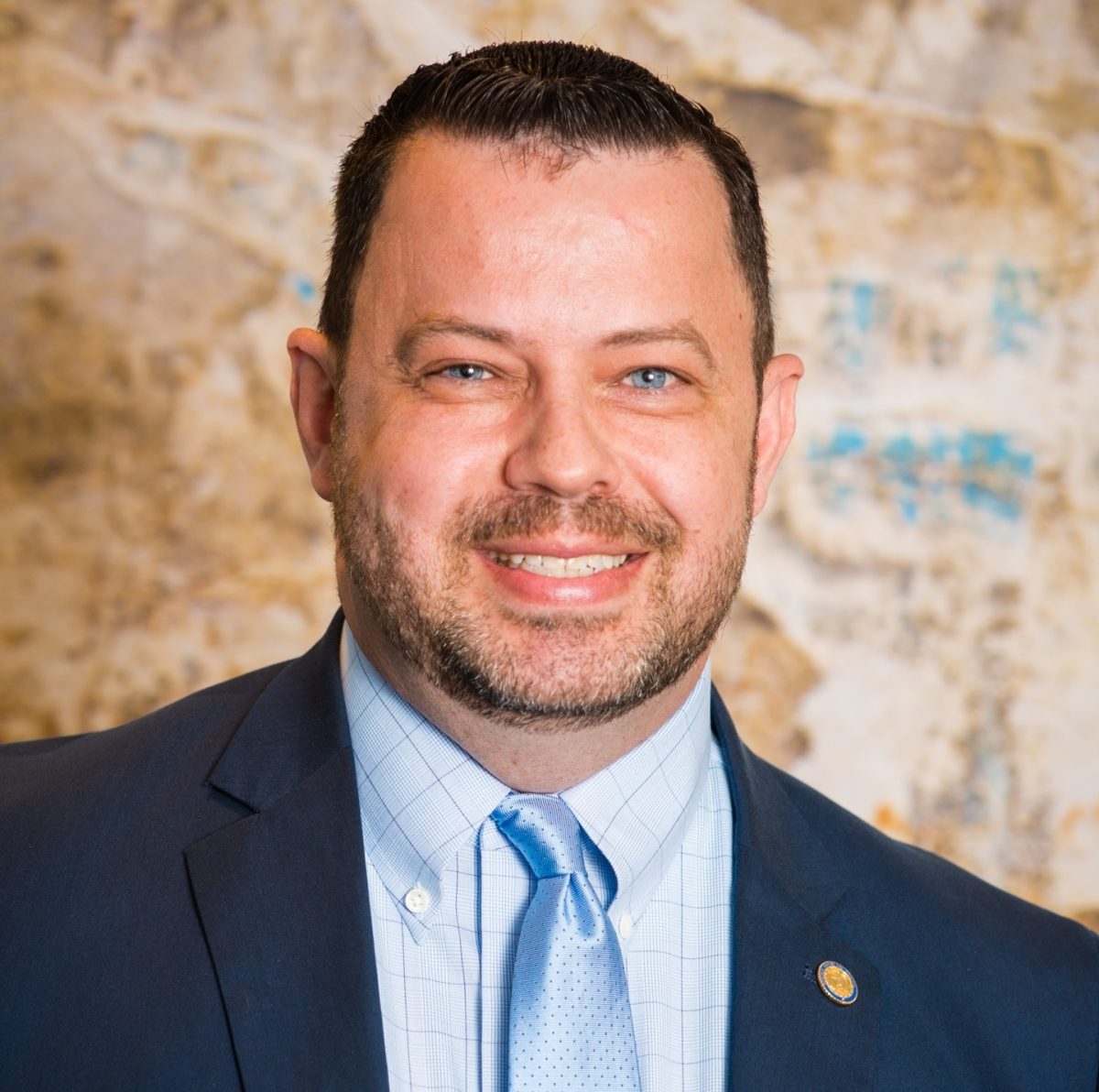
“Like many, we’re still in the process of understanding this broadly framed presidential proclamation,” wrote Mark Peltz, dean of careers, life and services, in an email to The S&B.
The H-1B visa allows U.S. employers to temporarily hire foreign professionals in “specialty occupations,” which are often in Science, Technology, Engineering and Math fields. Trump’s order is expected to stay valid for the next 12 months.
Peltz said that the current framework of Trump’s proclamation does not interfere with international students acquiring Curricular Practice Training (CPT) and Optional Practice Training (OPT) authorizations, which are the main legal pathways through which F-1 visa holders get work experience in the U.S. post-graduation.
Peltz added that international students often target employers with a track record of filing H-1B petitions or exemptions from the lottery system that randomly selects H1-B petitions to be processed when they are capped due to high demand. With the lottery’s odds and the new H-1B fee, Peltz said that he expects applicants to broaden their searches toward companies with roles both in the United States and abroad.
Regarding the fee’s impact on future international student interest, Joe Bagnoli, dean of admissions, said he believes it is still too early to have sufficient data for predictions, but in the context of previous decisions of the Trump administration that deterred international application, he emphasizes that Grinnell remains a strong point of interest.
“As of today, international student inquiries to higher education institutions in the U.S. have decreased 12 percent, year-over-year,” Bagnoli wrote in an earlier email to The S&B. “Fortunately, Grinnell has received about 100 more inquiries from international students than we had on this day last year.”
Bagnoli said that he expects the long-term effects of the proclamation to vary, but he does not anticipate a sharp decline of international student interest towards American higher education and Grinnell in particular.
“Many people around the world still regard American higher education as a pinnacle across the world,” said Bagnoli. International students that seek an education that would expand their career opportunities domestically will remain candidates in the future, according to him.
Furthermore, he said that Grinnell’s longstanding commitment to nurturing a diverse campus community and ability to allocate high financial aid to international students will keep the College attractive.
“We can’t control or predict,” Bagnoli said. “So our commitment to international student enrollment and global learning at Grinnell supersedes what is possible beyond the educational context.”
Vice president of communications and marketing, Ellen de Graffenreid, wrote in an email to The S&B that the College is still reviewing the legal framework of the proclamation with regards to contract extensions and amendments or transfers of international faculty.
The way in which the College would pay the $100,000 petition fee for H-1Bs is also still in discussion. There are no plans to alter the hiring cycles of international faculty.
In case Congress votes to extend the proclamation, de Graffenreid wrote that the College would examine possible avenues of recourse, in balancing compliance with the law and the need to recruit and retain highly-qualified faculty members.