


















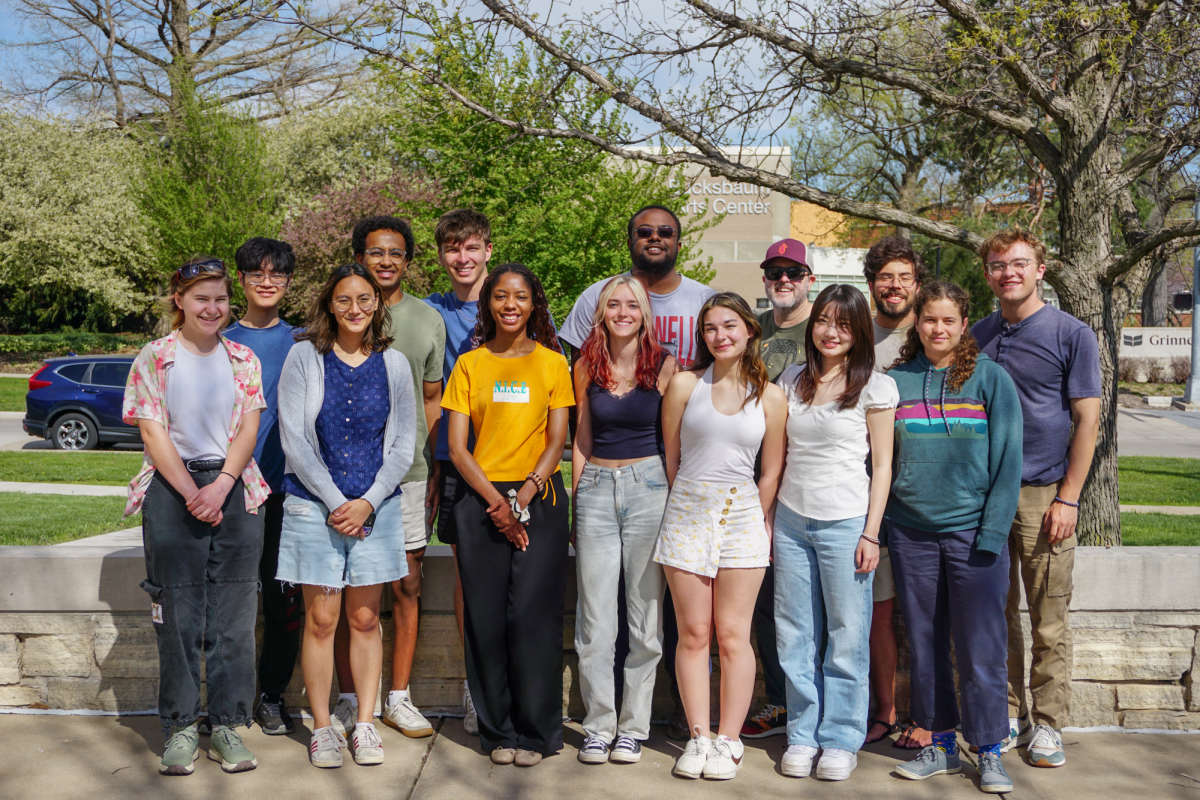



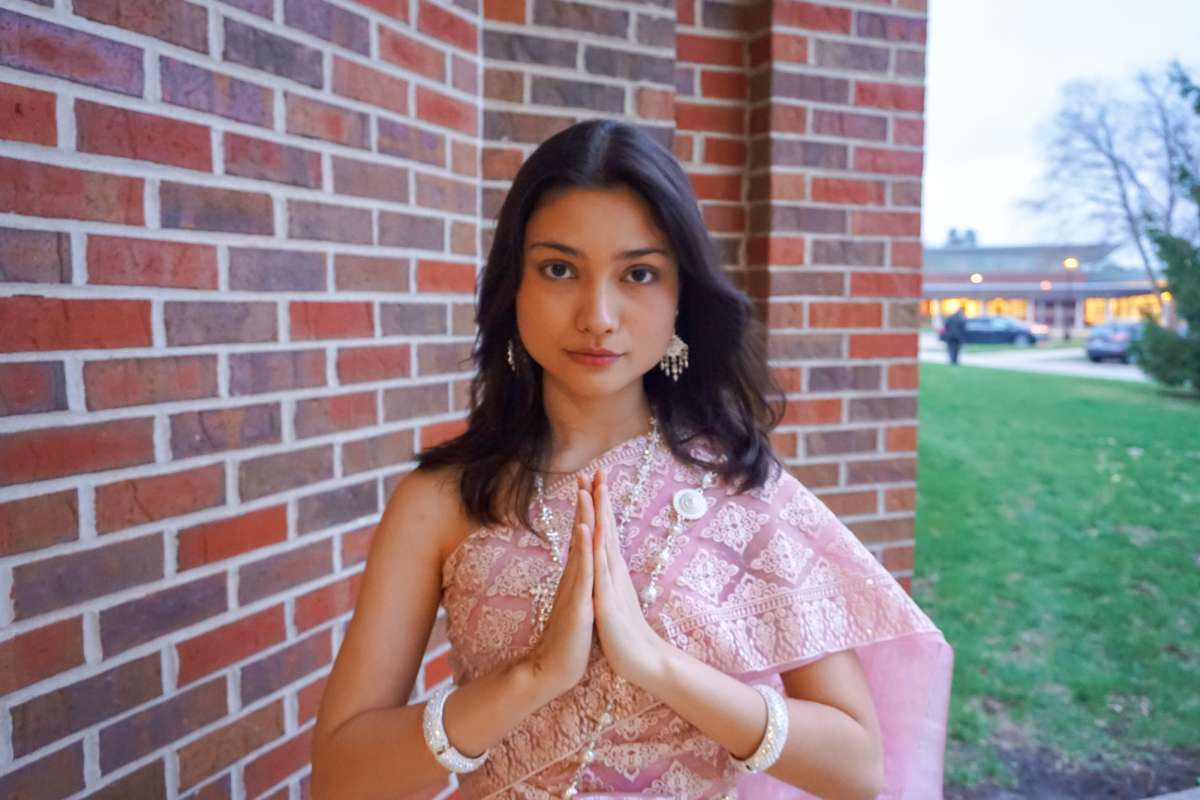





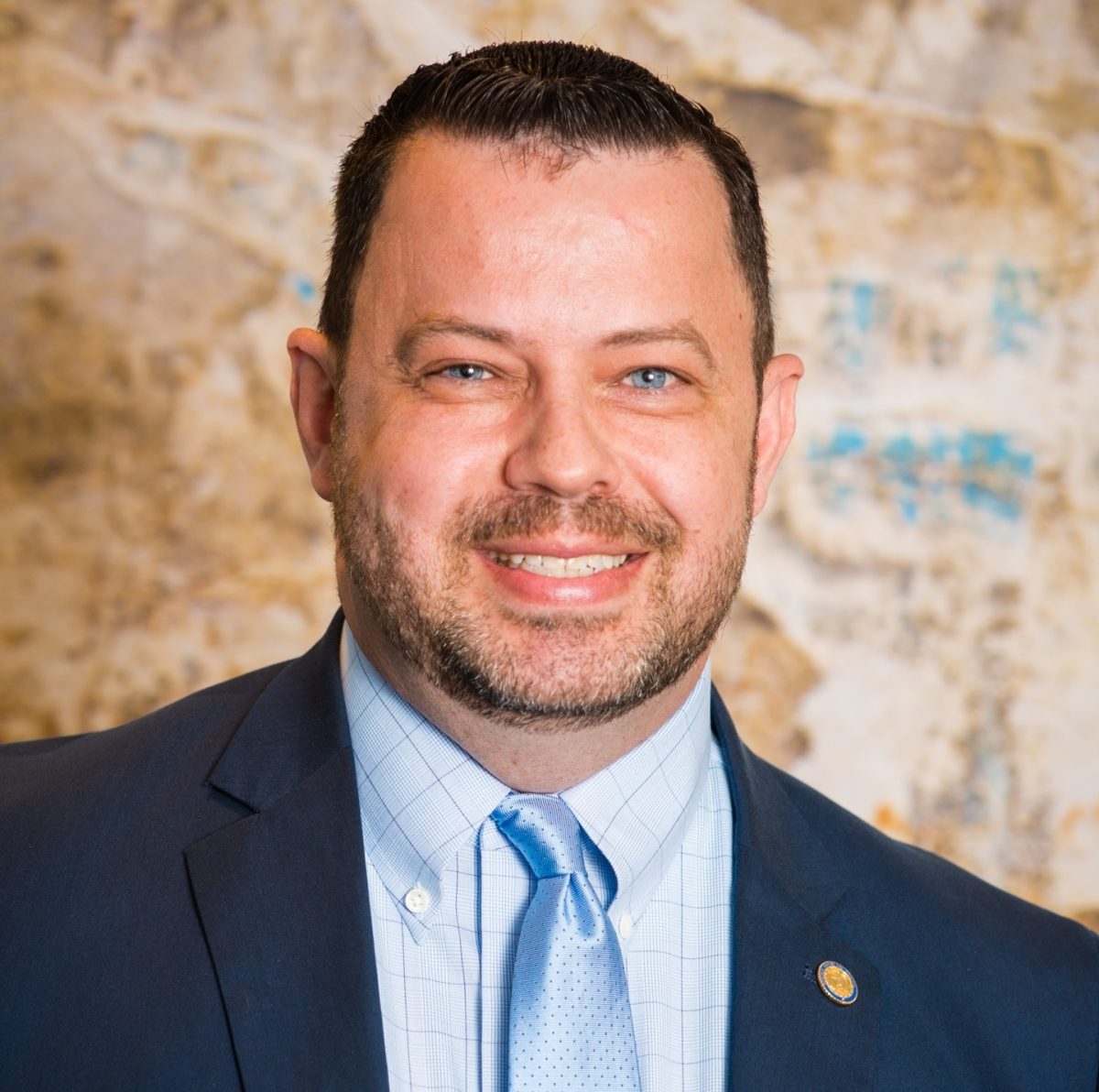














The Student Government Association (SGA) announced Samora Ouma Lumonya `27 as president-elect and Khanh (August) Ngo `27 as vice-president-elect of student affairs for the 2026-27 academic year. Elections for vice president of academic affairs and for the Senate will happen after spring break.
The results, communicated via email to the student body on Thursday, came after several changes to the election process, including ranked-choice voting and a new ballot section allowing students to rank campus issues. Students ranked housing as first priority, dining as second, self-governance as third, academic well-being as fourth, and student employment as fifth.
Keanu Yamanaka `26, current SGA president, said the goal of the change is to shift attention toward the problems students want addressed rather than just the priorities of the individuals running for office.
Andrew Lieu `29, chairperson of the Committee on Oversight, Ethics and Elections (OEEC), said that what those priority sections do is put issues at the forefront of the conversation.
“People start to have conversations around the ideas and not just the individual candidates,” Lieu said.
SGA leaders say this is the first time issue-based voting has appeared on the ballot.
The ballot also included smaller questions intended to gauge student opinion on specific campus policies, such as one question asking students whether they support allowing music in the dining hall. An email communication from Lieu to the student body stated that this particular vote “was extremely close, with student opinion nearly evenly split. Because of this, we will be gathering more input before moving forward.” According to Speaker of the Senate Anu Sanumi `26, SGA hopes these questions will help measure the level of student support for potential policy changes.
Another major procedural change is the introduction of ranked-choice voting, which allows students to rank multiple candidates in order of preference. SGA leaders say that supporters of this system believe it gives voters more influence and encourages them to think more carefully about who best represents their interests.
“With ranked choice voting, students can consider multiple candidates and choose who can best represent them,” Yamanaka said. “It increases the power of your vote.”
Members of the Elections Subcommittee say the process is also designed to encourage more dialogue across campus. Instead of simply selecting one candidate, students are encouraged to reflect on which candidates resonate with them and their priorities.
Beyond changes to the ballot itself, SGA leaders say the election season has been marked by unusually high levels of student engagement. Campaign materials, including posters, stickers and yard signs, have appeared across campus, and candidates have been actively reaching out to students through tabling and conversations in common spaces.
Yamanaka said that the visibility of the election process has helped generate energy around this year’s campaigns.
“Nearly every candidate that has been running has made a poster,” Yamanaka said. “It’s been largely widespread — on tables, in academic buildings — and it’s been a lot more vibrant compared to previous years.”
Election organizers also report that turnout, which was 40 percent according to Lieu, surpassed last year’s levels. Increased outreach efforts — including tabling events and promotional materials — have been aimed at encouraging more students to vote.
For SGA leaders, boosting participation is a critical goal. In a recent campus-wide special election for vice president of student affairs, only about 15 percent of students voted, a figure organizers say highlights the need for stronger civic engagement on campus.
Lieu said that participation in student government elections helps shape students’ attitudes toward civic engagement beyond college.
“The standard that we set here at Grinnell for civic engagement is the standard that our graduates are going to go into the world with,” Lieu said.
SGA leaders also say that increasing transparency has been a key priority in redesigning the election process. Members of the elections committee have spent time in public campus spaces discussing the elections and answering questions from students.
According to organizers, this visibility helps students better understand how elections work and what roles candidates and committees play in the process.
At the same time, student government officials acknowledge that much of SGA’s work occurs behind the scenes and may not always produce immediate visible results.
Some initiatives can take months or even years to come to fruition, Sanumi said, particularly when they involve collaboration with administrators and other campus stakeholders.
Despite these challenges, SGA leaders said they hope the new election procedures will help students feel more connected to the organization and the decisions it makes.
“In my words, it’s more than an election,” Yamanaka said. “It’s a reminder that there are people on campus who care about you and want to represent your voices and concerns.”







WH " Butch" Oxendine Jr • Mar 11, 2026 at 4:58 pm
This is unusual to have issues brought up on the ballot, but it’s an interesting idea.