

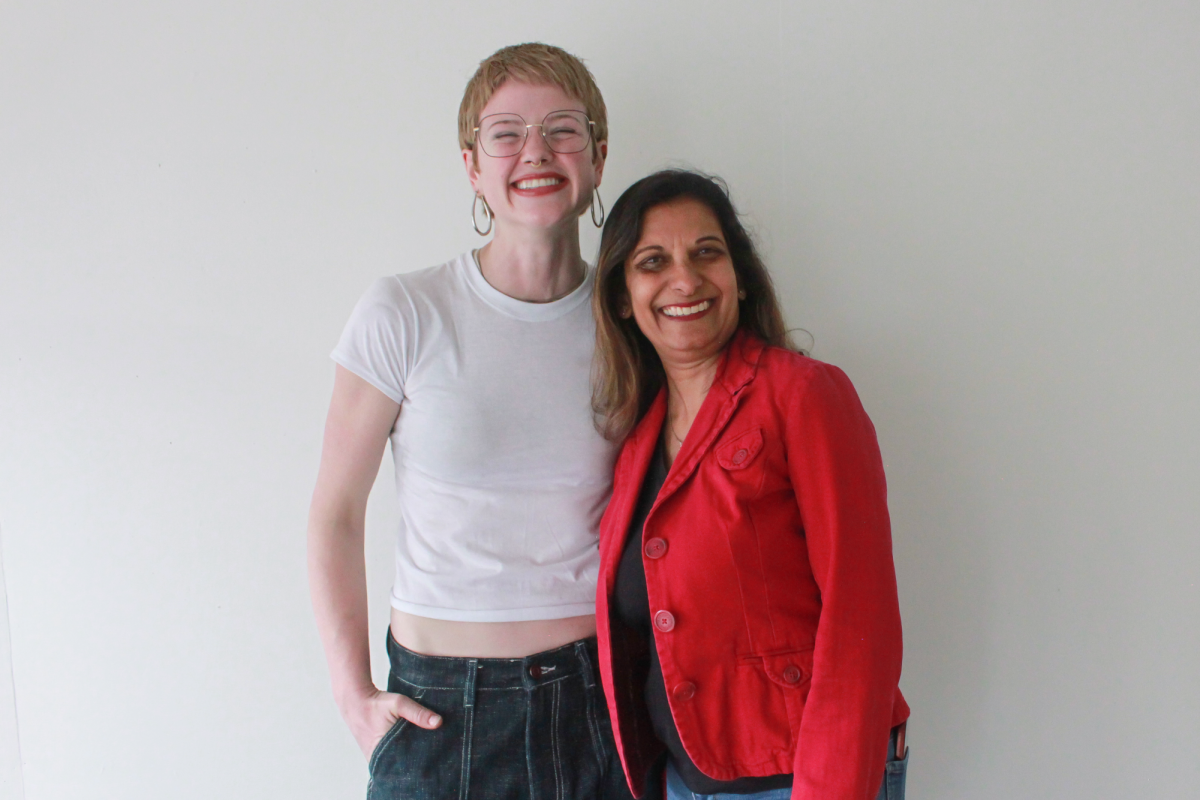

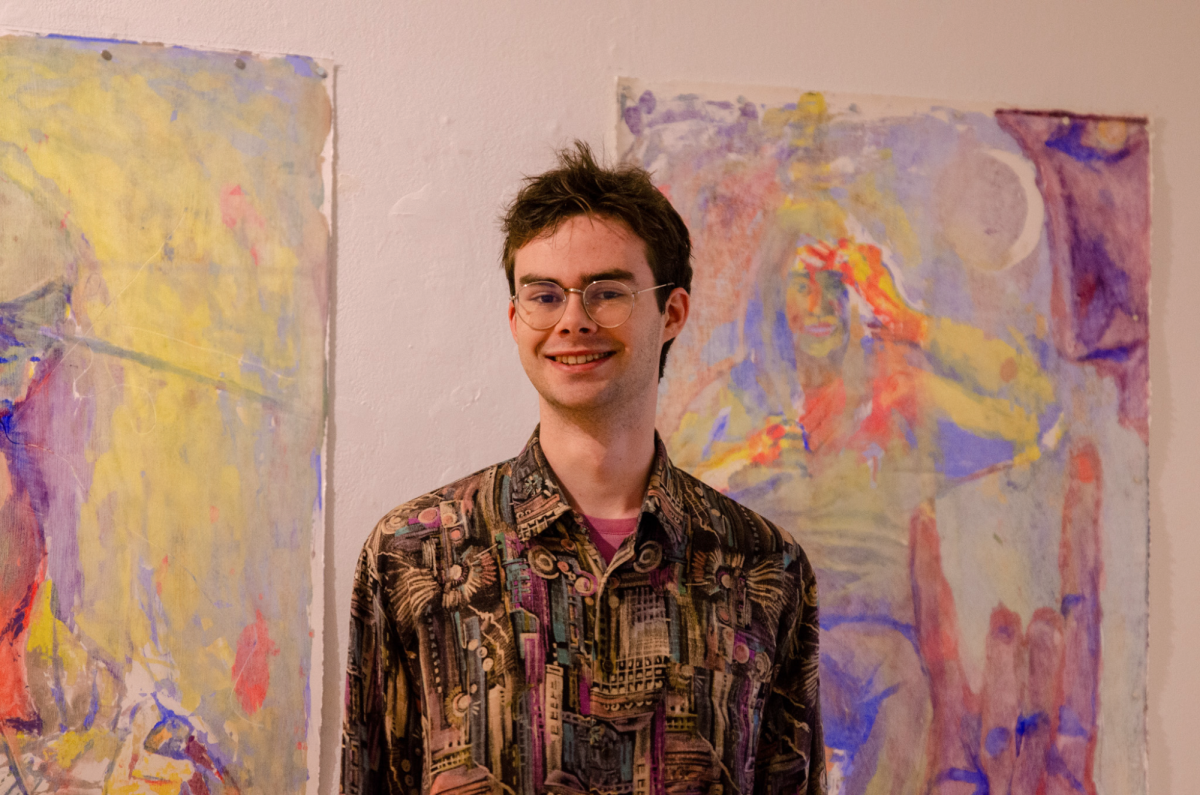



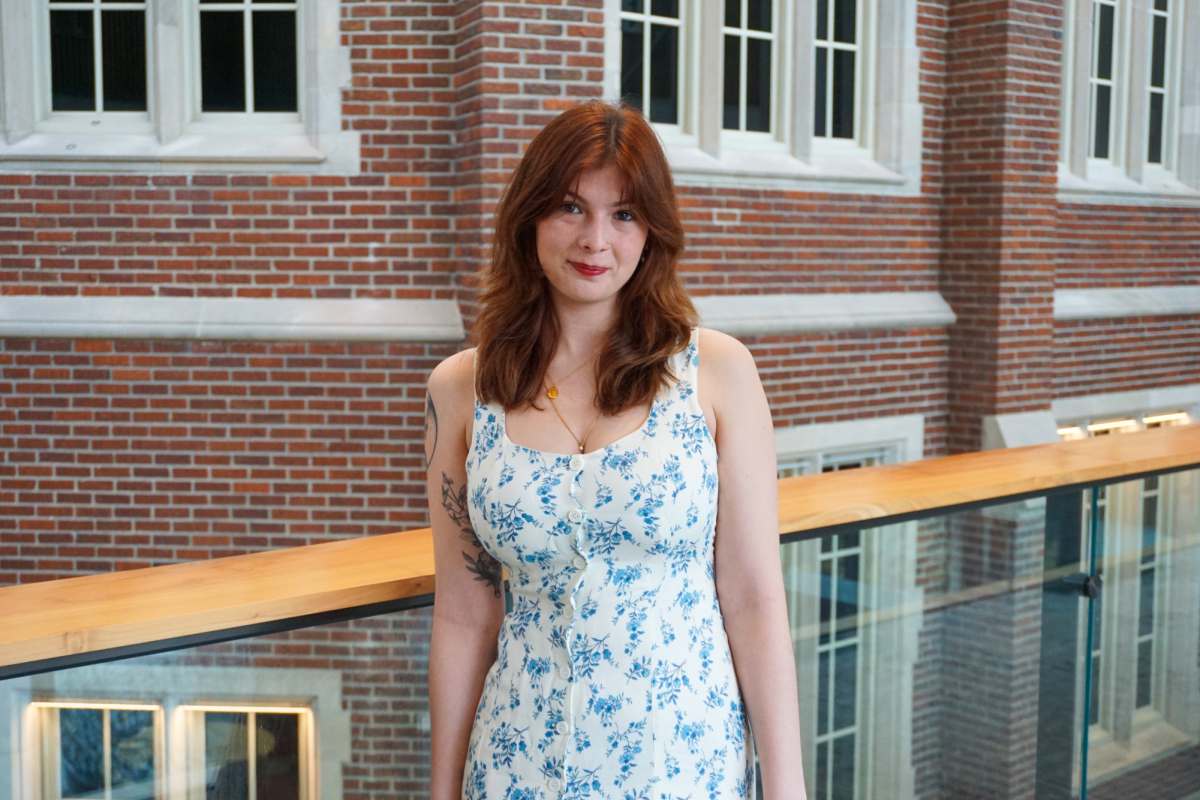

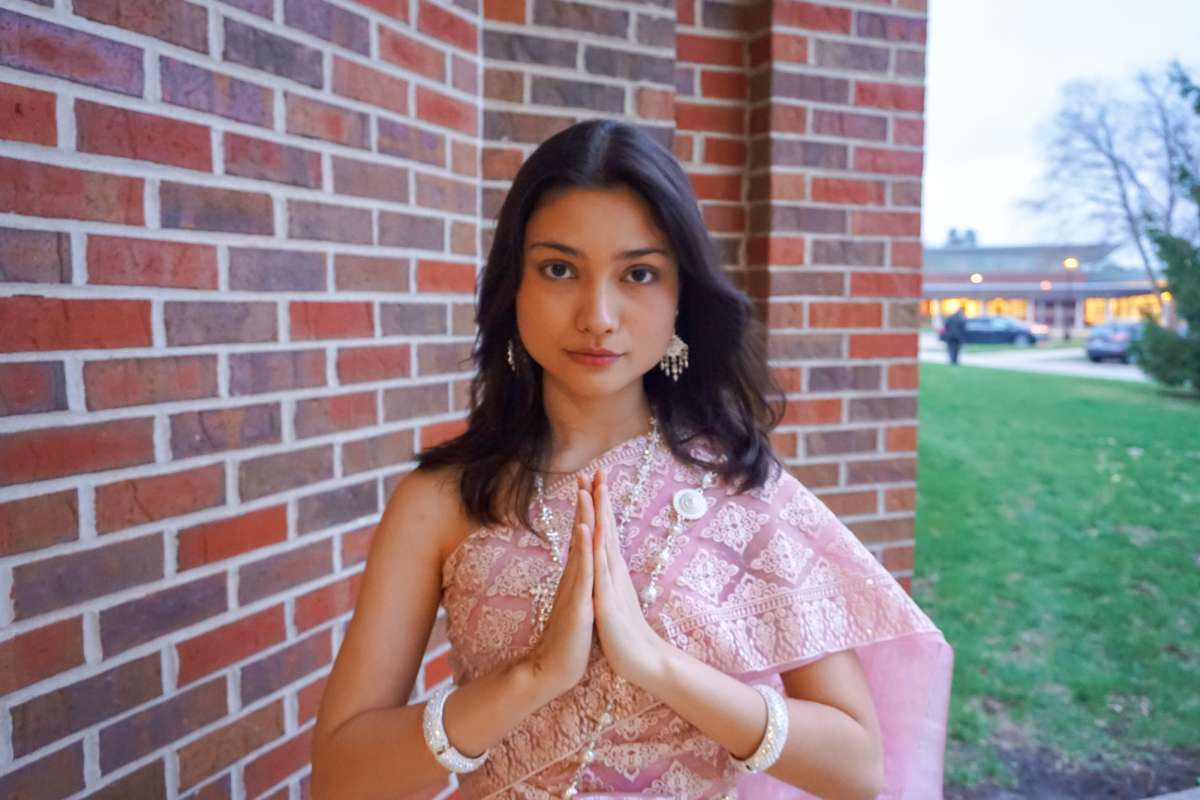


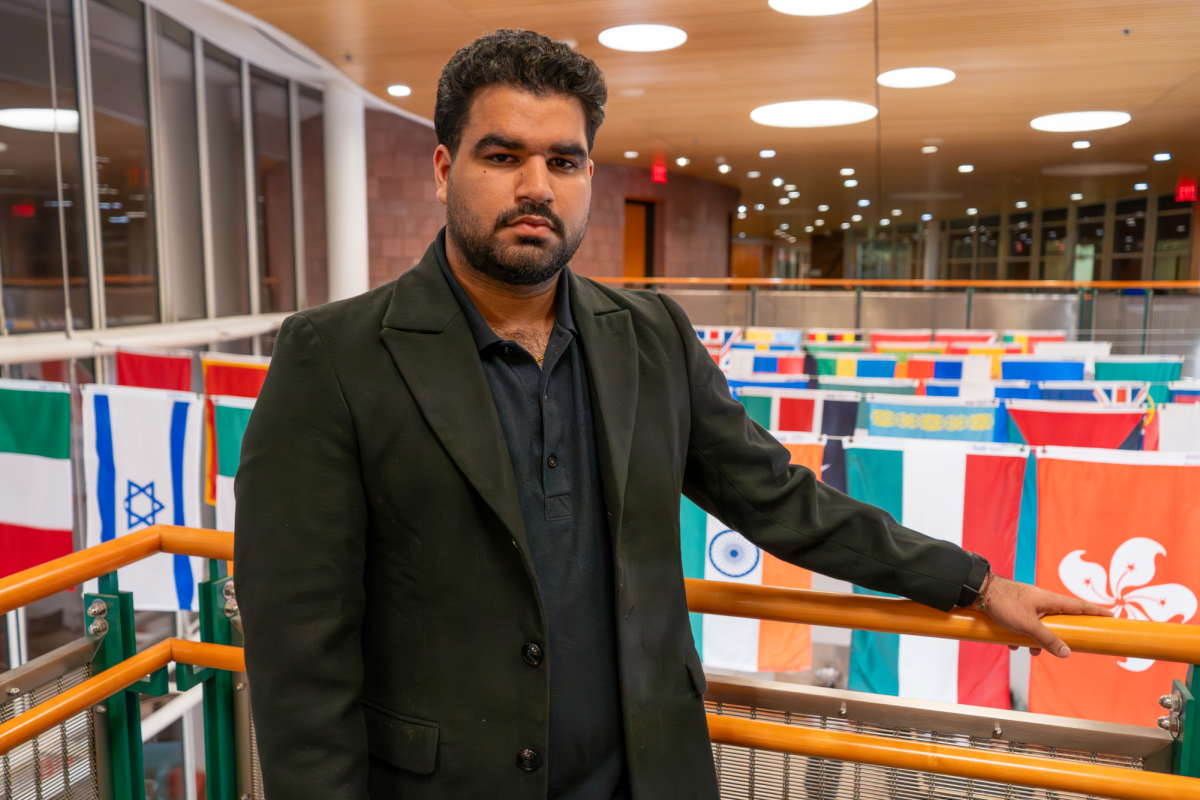
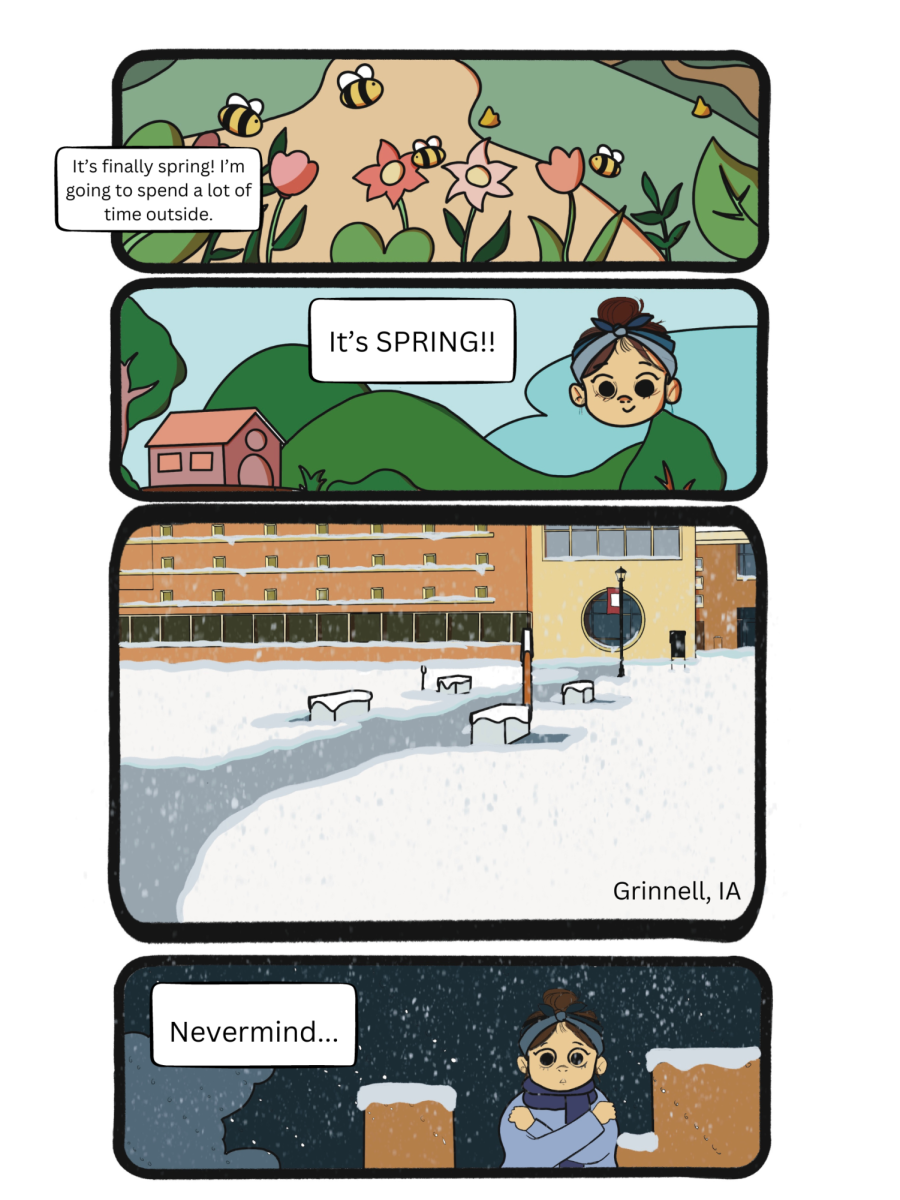


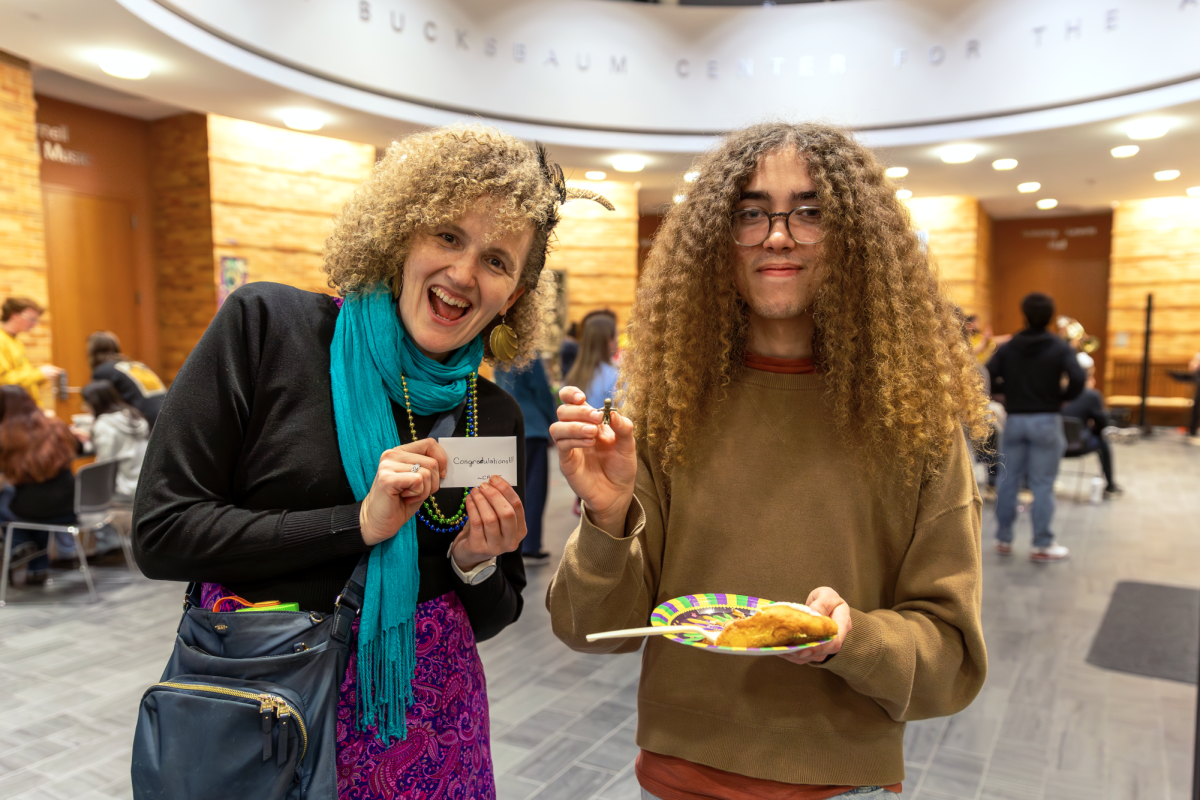


Zoe Zallek `25 once tried to teach her Latvian students in an English class that some Americans wear shorts in cold weather. Zallek, a Fulbright U.S Student grantee, had noticed that in the cold in Latvia, her students were fully bundled up for the weather, leading her to attempt to explain this point of cultural difference she had not considered before. This display of cultural stubbornness confused many of her students.
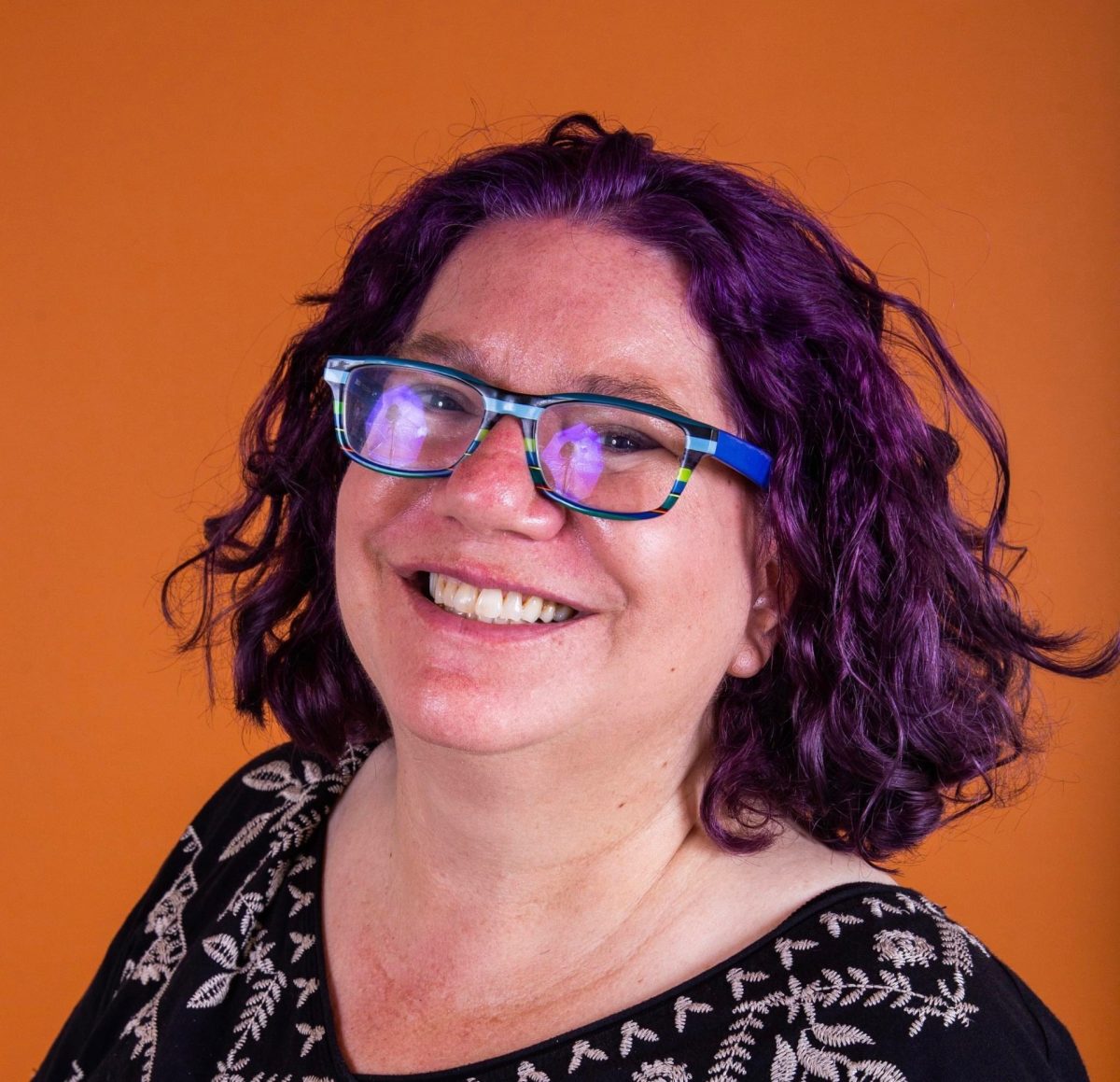
Funny anecdotes of cultural exchange are not uncommon for many Grinnell alumni who became Fulbright U.S Student grantees. Zallek is one of the 148 Grinnell students or alumni that have been named a Fulbright grantee since 2005, according to Ann Landstrom, assistant dean and director of global fellowships and awards at the Center for Careers, Life and Service.
For the 2025-26 school year, Grinnell has once again been named as a top producer of Fulbright Students. Grinnell has a long history of supporting students through these types of applications through the Office of Global Fellowships and Awards. Hope Zionts `26, a current Fulbright semi-finalist and global fellowships and awards student ambassador working under Ann Landstrom, said that the transition between working with others on their Fulbright to working on her own has been intense, requiring a lot of reflectivity.
“These are really competitive things, so even if I don’t end up receiving it, I’m really glad I went through this process,” Zionts said. “The application requires you to be confident and think that you deserve and that you can succeed in this position, and so being able to have the opportunity to really look back at what I can do, not just the academics but who I am and what I bring to things, has been good.”
Hope is currently in the process to get an English teaching assistantship in the Czech Republic after having done a semester abroad in Prague. Many Fulbright applicants utilize their study abroad experience to help shape their applications, including Connor Arneson `23, who utilized his study abroad semester in Poland to be able to find connections for his research Fulbright between 2023 and 2024.
Arneson pursued a research project called Virtual Narratives: Digital Media and Poland’s Past which sought to understand the connection between how traditional areas of education like museums utilized media platforms such as YouTube to communicate with English-speaking audiences. He spoke of his time as being less culturally immersive than he imagines other programs might be, but satisfying nonetheless.
“It was probably the best year of my life,” he said. He explained how the Fulbright came with numerous benefits for personal development, such as being able to understand what it means to live independently and being able to test out academia and research in a setting similar to what one might imagine in a doctorate program.
“I think it’s helpful to have opportunities where you’re able to try something out, and there’s kind of a definitive endpoint to that experience, so then you can reassess at the end of that experience,” said Arneson. While Arneson acknowledges that his experience was not as fully culturally as immersive as other programs may have been due to the nature of his research, he still feels he was able to understand quite a bit of cultural exchange. He details going to small Polish towns to sit in on English classrooms as a part of an affiliate program called “Education USA” and being one of, if not the only, American many of these children had seen or spoken to.
Despite the variety of stages Grinnell students and alumni are at, they all echo the same sentiment regarding the impact that filling out the application itself had on their ability to reflect and feel confident.
“It’s a cool thing, it’s prestigious, but it’s not that difficult to do if you want to do it so you shouldn’t talk yourself out of doing it. If you’re interested, you might as well start applying and just kind of see where it goes,” said Arneson.