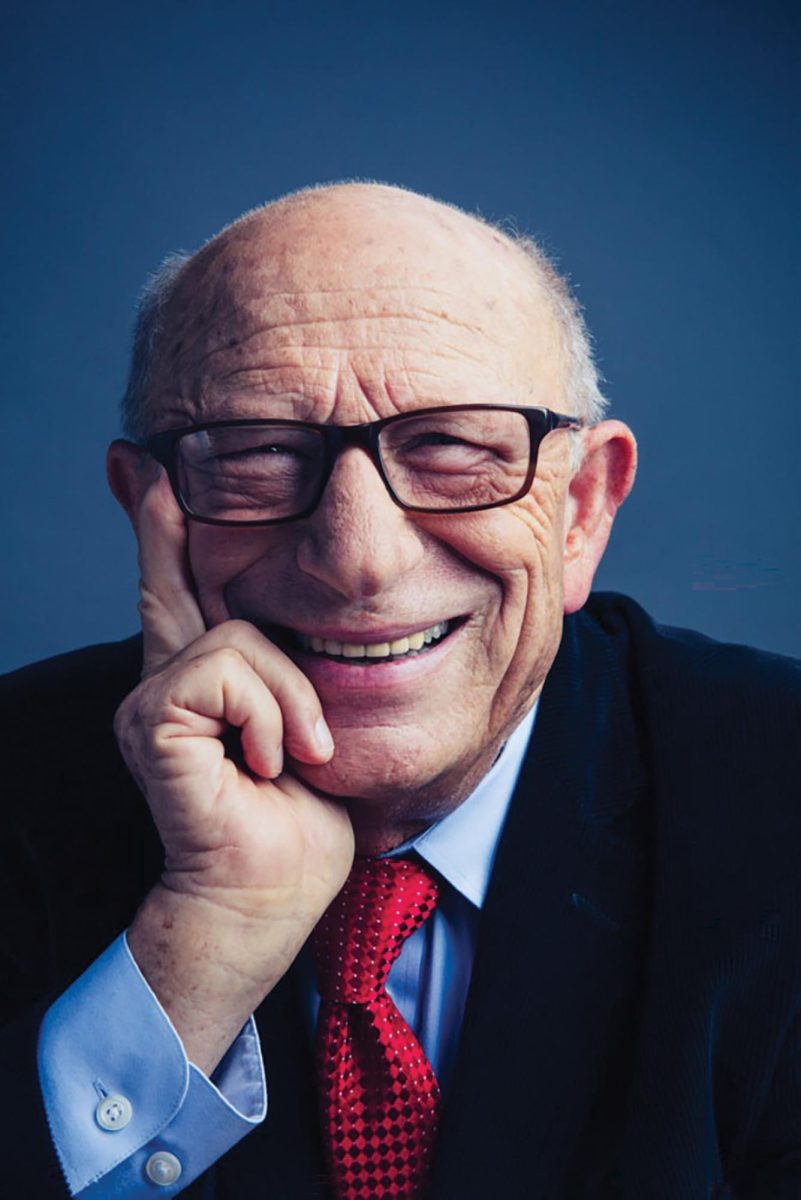







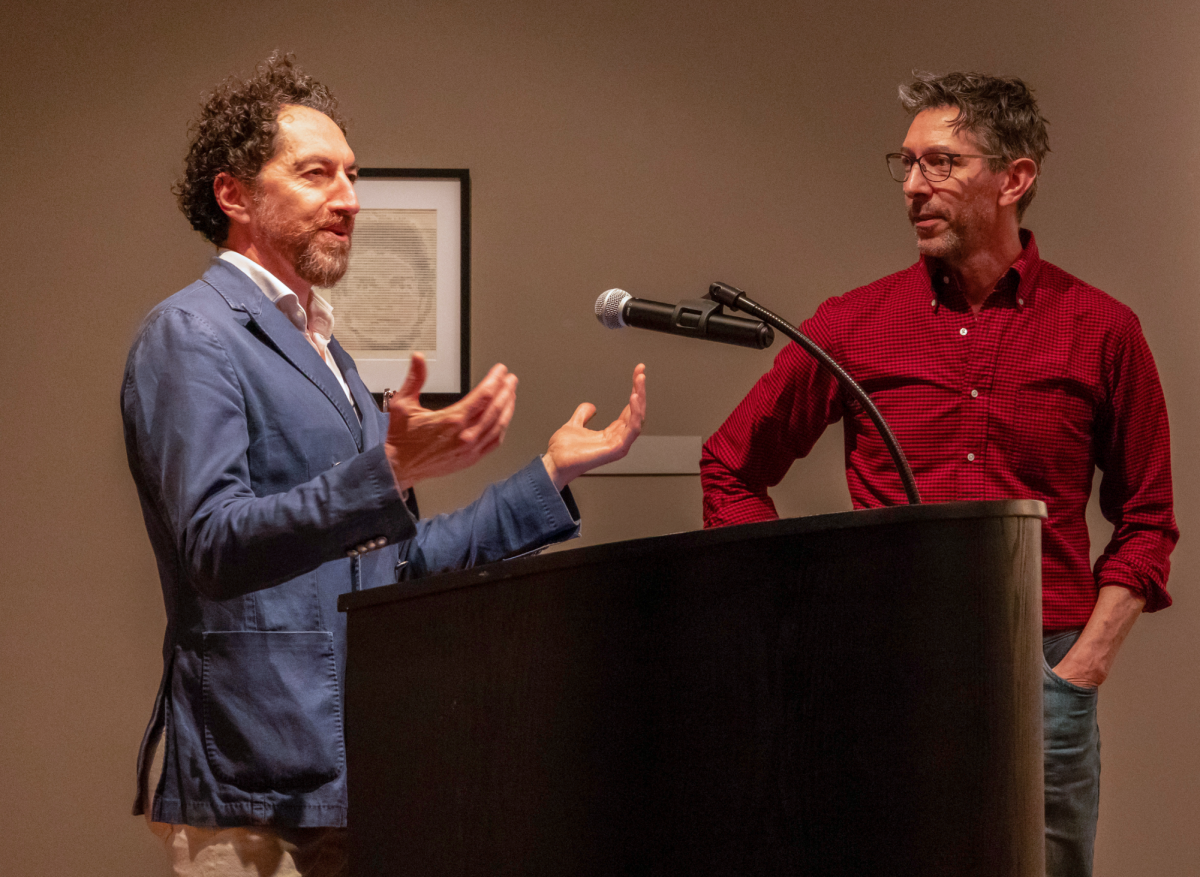
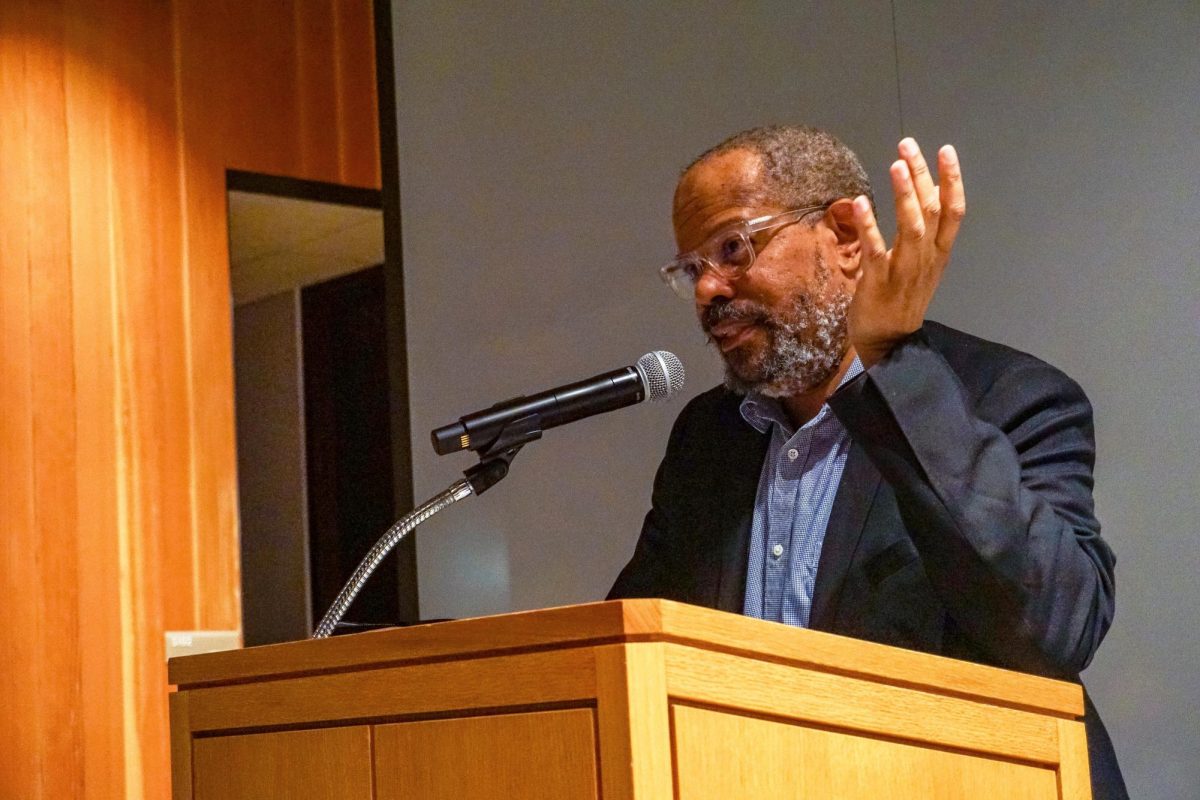













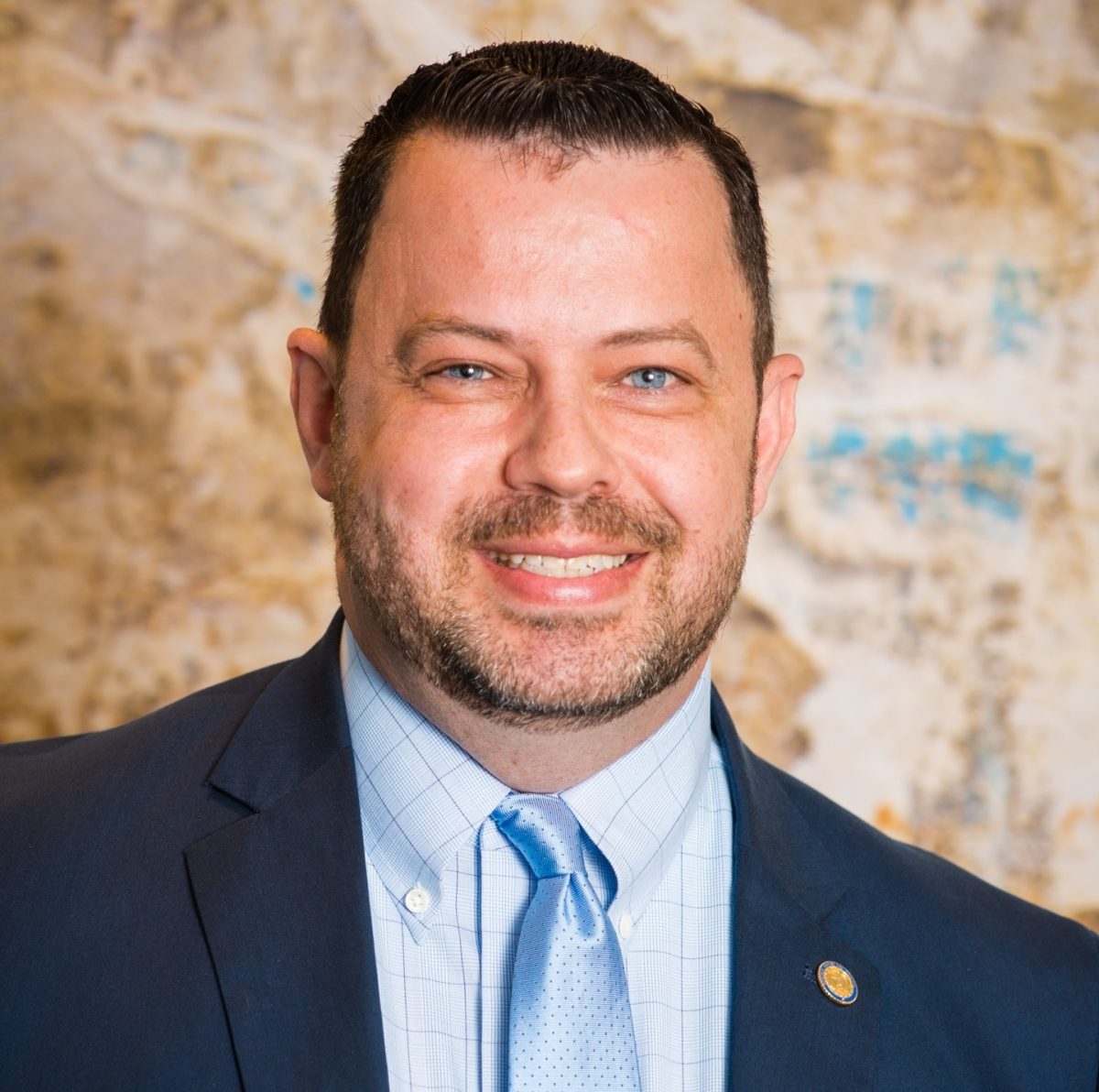






Alumnus Alan B. Thomas `92 returned to campus to speak with students about his career that has moved fluidly between government, private industry and independent consulting, and why uncertainty, rather than clarity, has often guided his decisions.
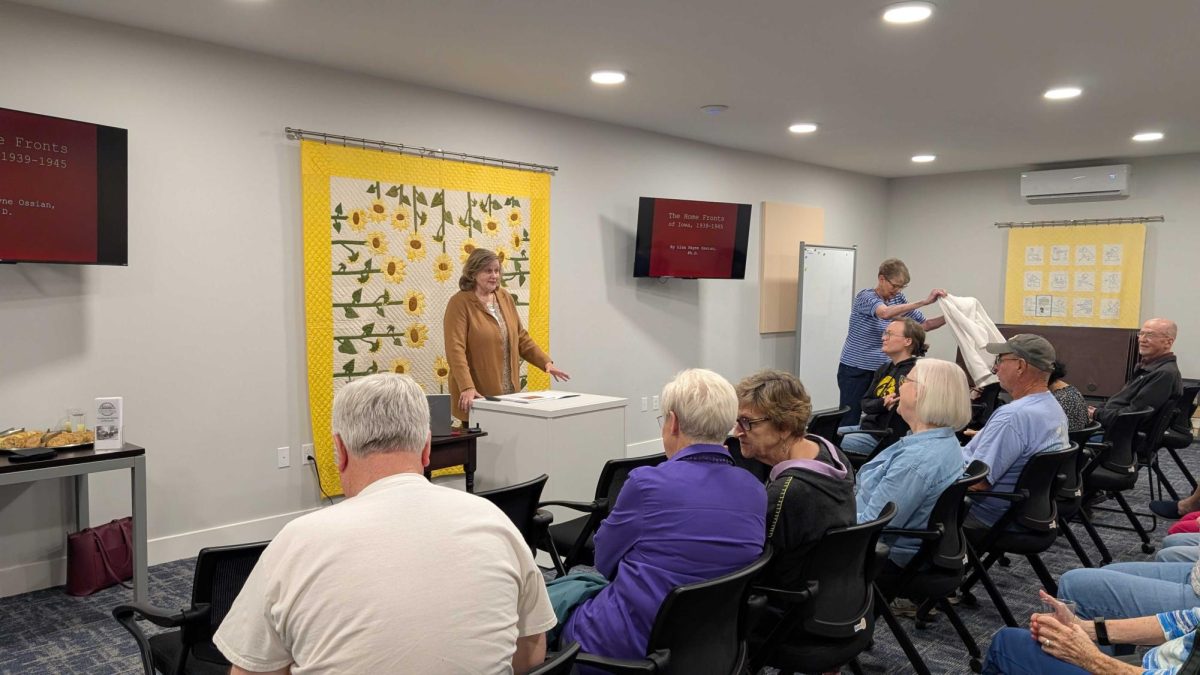
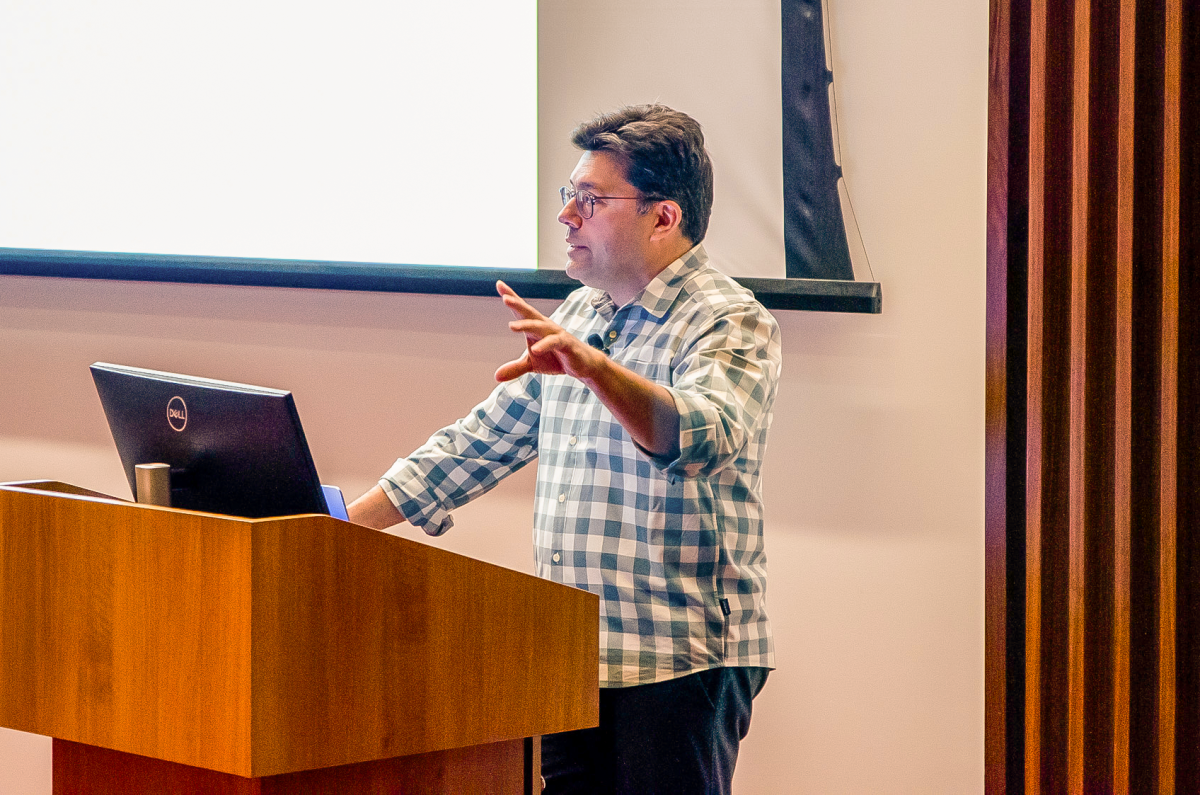
Thomas opened his talk on Jan. 23 with humor, noting that the size of the crowd might have been larger if the event were held a few decades earlier. “I thought, ‘Oh, maybe [if] there’s free beer here,’” Thomas joked. “That’s something we could do in the 90s and not today.”
Rather than delivering a formal lecture, Thomas offered a brief overview of his professional path before opening the floor to questions. What followed was a conversation about liberal arts skills, adaptability and how careers often develop in unexpected ways.
Thomas arrived at Grinnell without a clear academic plan and sampled courses across departments before settling into history. He recalled working with a professor known for demanding grading standards, an experience that initially intimidated him but ultimately reshaped his confidence.
“After that tutorial class, I never felt intimidated about any writing assignment again.”
After graduating, Thomas pursued public administration at the University of Texas and entered the Presidential Management Fellows program, a competitive federal track that places fellows into rotating roles across government agencies. Through the program, he worked in the Department of Defense, gaining early exposure to how large institutions function.
By the mid-1990s, however, Thomas said the rise of the internet pushed him to reconsider spending his entire career in government. He enrolled in business school at Carnegie Mellon University, where he joined a small tech startup that expanded rapidly during the internet boom.
“When I got there, the company was about 100 people,” he said. “Within nine months, it was almost 1,000.”
His role focused on selling software to the federal government, combining his public-sector knowledge with private-sector strategy.
In 2008, Thomas returned to government work in Iraq, where he spent a year helping attract private investment into the country as part of stabilization and rebuilding efforts. He described the experience as challenging but deeply formative, shaped by collaboration among people from diverse backgrounds working under intense conditions.
Later, he returned to federal service again, serving from 2017 to 2019 in the General Services Administration’s Federal Acquisition Service. In that role, he helped oversee major purchasing operations and emphasized to students that understanding how money moves within an organization reveals its true priorities.
“If you understand where the money flows,” Thomas said, “you can tell a lot about the organization.”
Today, Thomas works as an independent consultant, advising companies, from startups to established firms, on navigating business with the federal government. He said consulting appeals to him because it requires constant adaptation.
“You’re parachuting into a new situation every time,” he said. “You learn a new language, new acronyms, new people. That’s energizing.”
Toward the end of the talk, Thomas shared three pieces of advice he said have consistently guided his decisions. First, he encouraged students to be comfortable taking jobs they only partially understand. “If you feel confident about 50 percent of the job, that’s enough,” he said. “You’ll be able to learn the rest within the following months.”
Second, he suggested prioritizing experience over money early in life, before responsibilities narrow options. Finally, he emphasized the importance of relationships. “People get jobs, and people hire people,” Thomas said, urging students to stay connected and help others when possible.
During the discussion, Thomas described learning not just through formal tasks but through informal moments. Conversations, observations and small interactions he called the “creases in the day.”
By the end of the event, Thomas’ message was clear. Careers are rarely linear, and the most valuable skills; communication, curiosity and adaptability, are the ones that travel across industries. Rather than waiting for certainty, he encouraged students to move forward anyway, trusting they can grow into the roles they choose.