




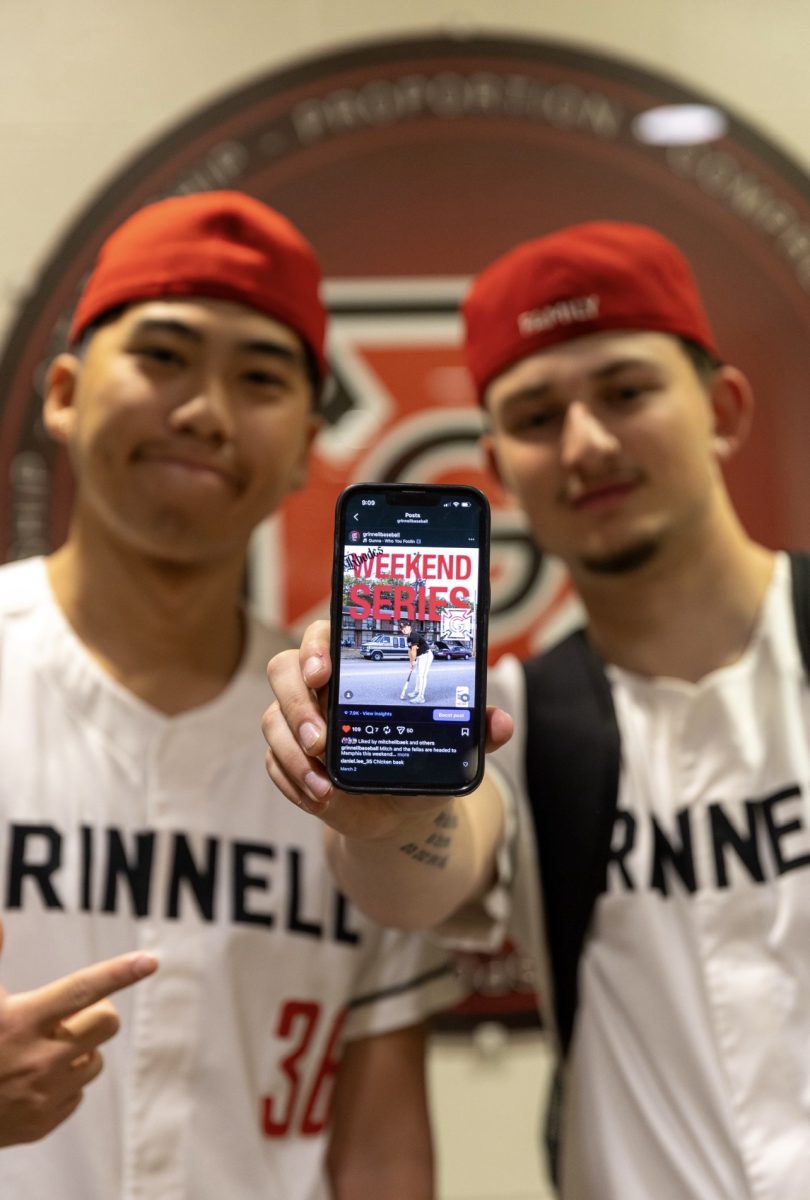














On August 26, over 1700 Grinnell students received an email announcing the permanent closure of GrinEats, a student-run app that helped students browse daily menus from Grinnell’s dining hall and know when their favorite dishes would be served.
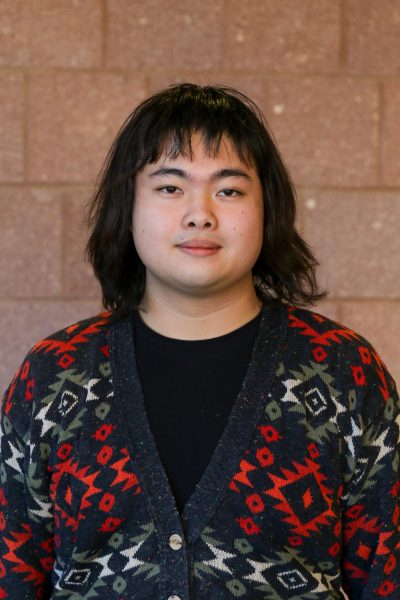
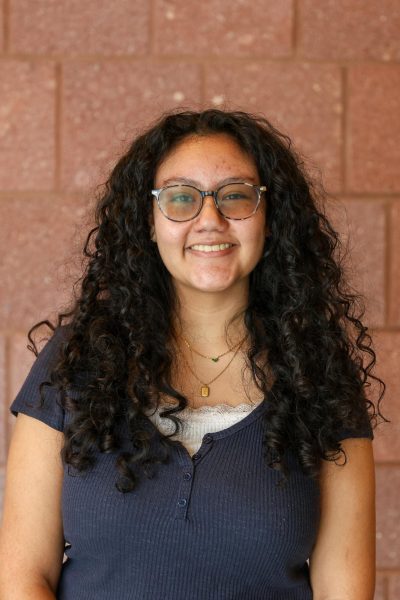
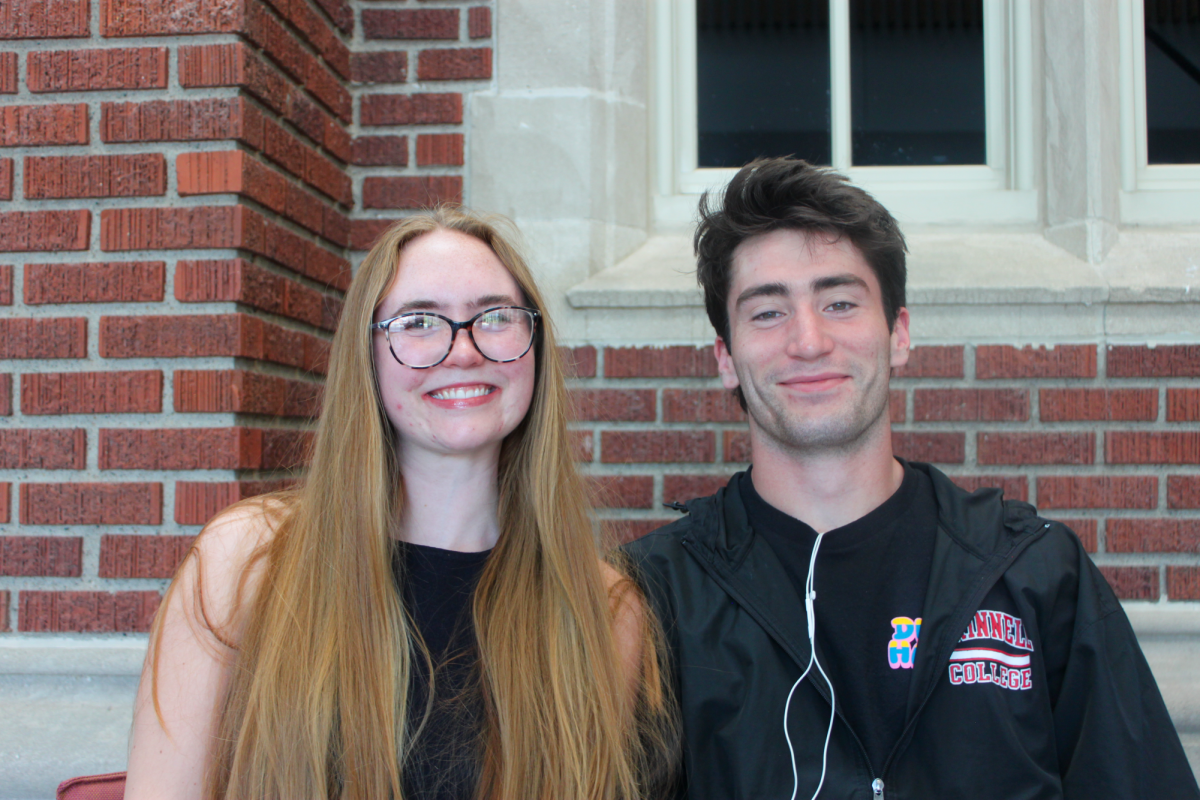
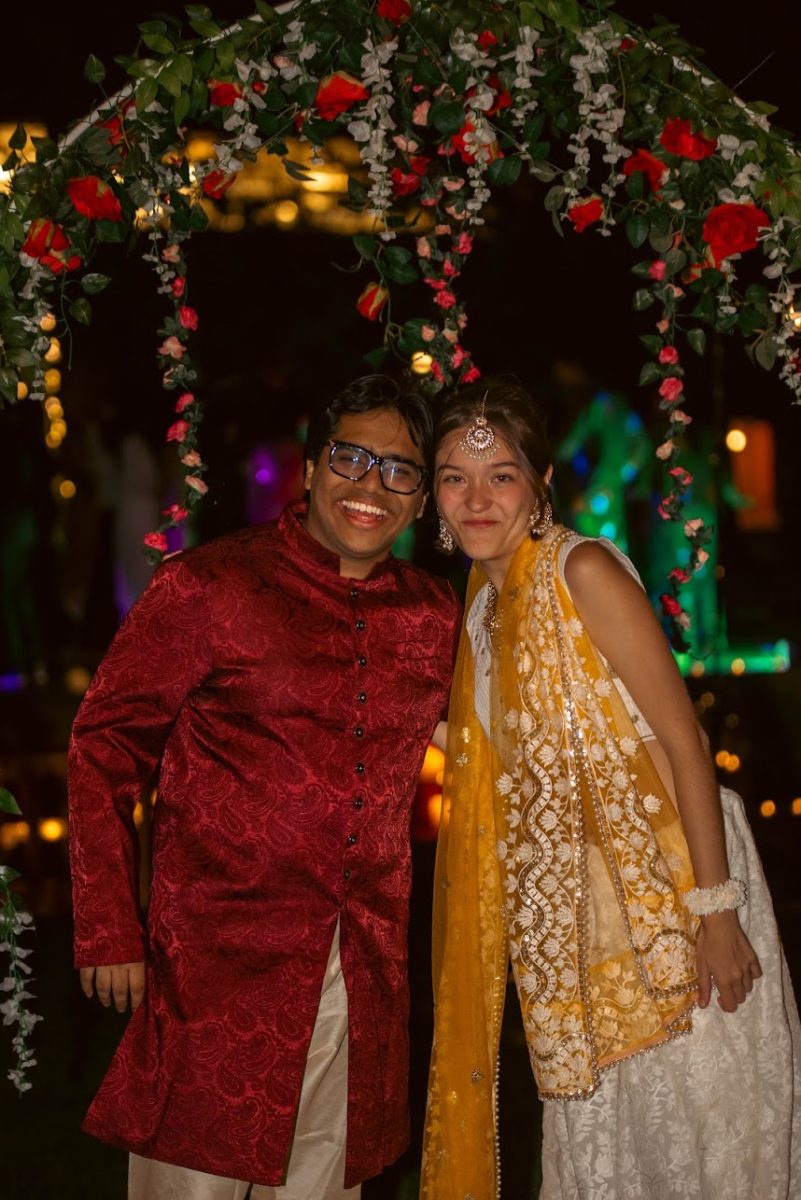
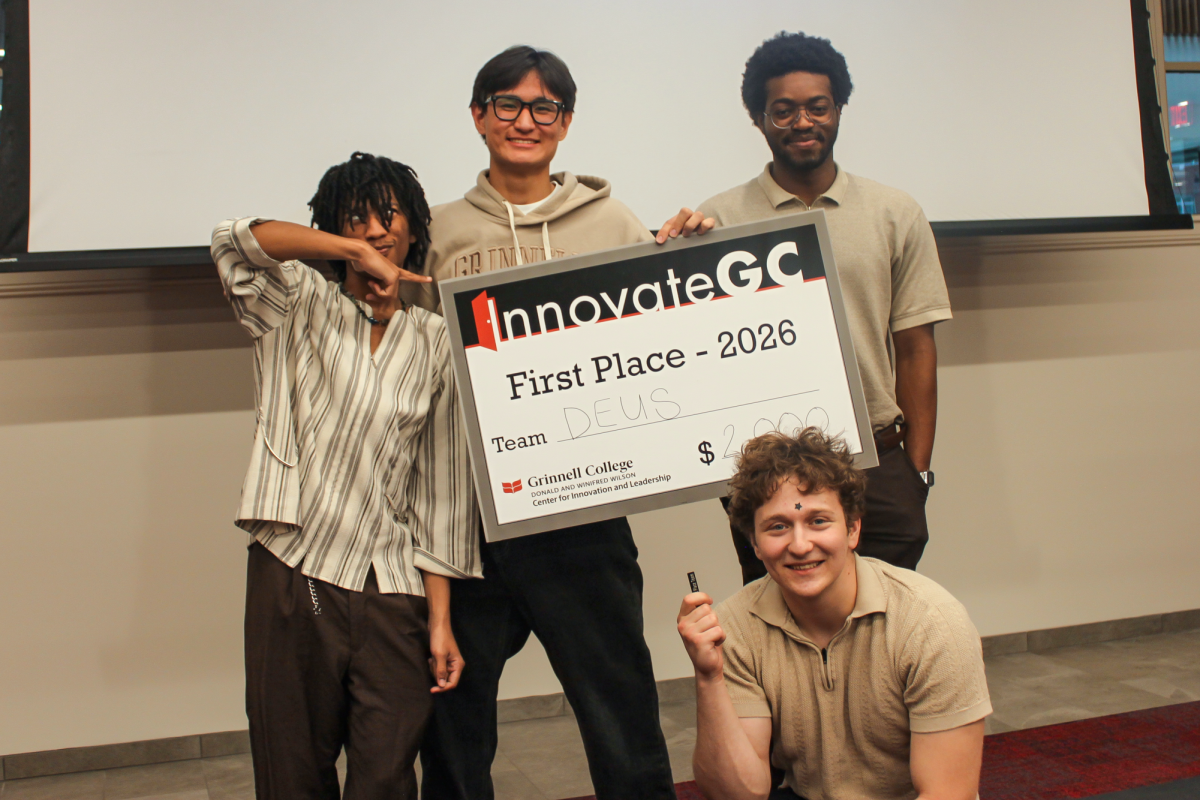
The app, developed by Shrey Agrawal `24 and Youssef Khalil `26 through a Wilson Center innovation challenge, launched in 2023 and gained over 600 downloads within the first month of its initial launch announcement, eventually totaling more than 1700 users by the announcement of its closure. However, when Khalil took a semester off and Agrawal went abroad, they were unable to completely utilize the $6,000 in funding before the one-year funding period expired after spring 2023.
The app will be removed from app stores but remain functional for existing users until January 2026. However, after receiving overwhelming support from users asking them not to close the app, the developers are reconsidering their options.
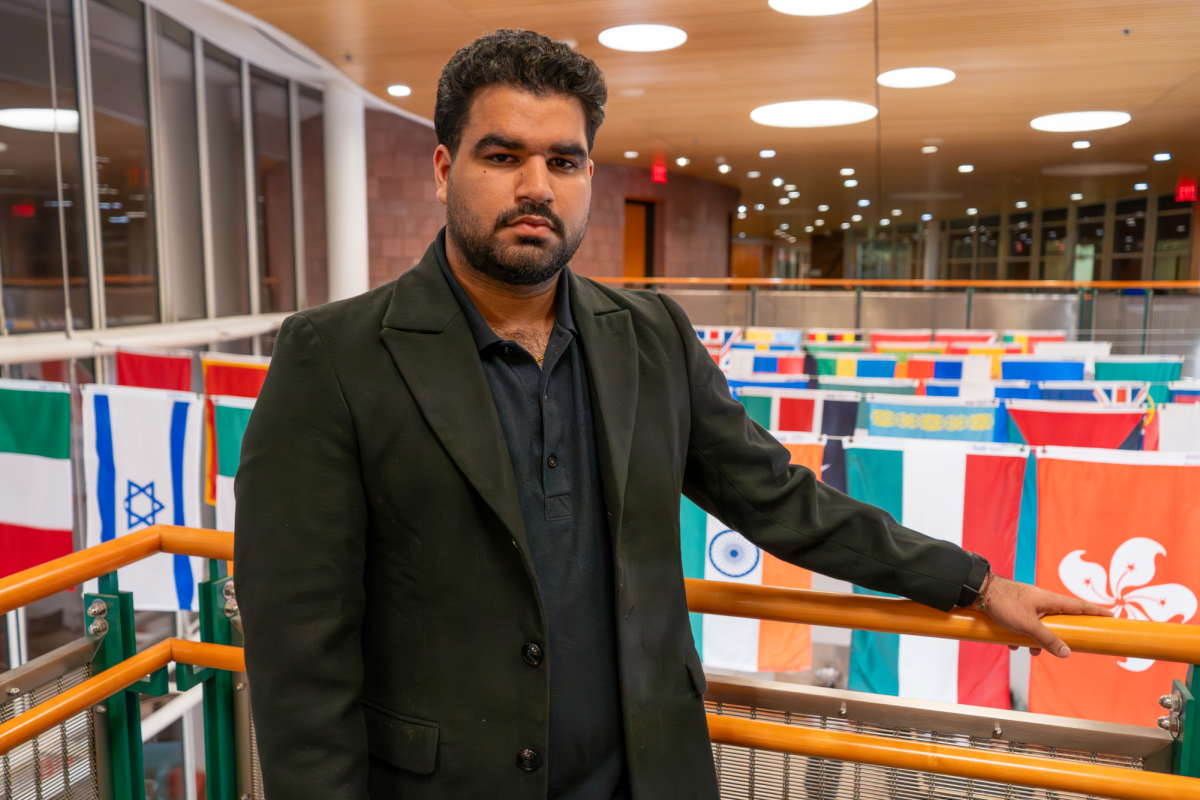
Avaash Bhattarai `26, who joined the team in May 2023, has single- handedly maintained the app for the past year and a half using his own funds. Recently, he made the decision not to renew the Apple Developer account that costs approximately $200 annually. When Bhattarai took over the app after the funding had expired, he pursued additional support from the Wilson Center that had originally funded the project.
“We only received $50 from the Wilson Center to buy candy for tabling and promotional materials,” Bhattarai said.
Despite partnering with the Office of Sustainability as their community partner, GrinEats struggled to find institutional backing, said Bhattharai.
The app was originally conceived as “Eat and Win,” where students would take pictures of empty plates to earn points and rewards, a sustainability- focused approach that led to a partnership with Grinnell’s Office of Sustainability. However, due to the technical difficulty of developing a reliable empty plate recognition function, the final product became primarily a menu-browsing app, abandoning the food waste reduction features that had been the foundation of institutional support.
In an email to The S&B, Chris Bair, environmental and safety manager in Facilities Management who works for the Office of Sustainability, wrote, “The app was going to be about reducing food waste, etc. When it steered more towards the online menu format, it really wasn’t something I was all that involved with.”
Bhattarai said that the Grinnell Dining Hall also declined to provide support when approached by the team. This left the app entirely dependent on student volunteers working without compensation.
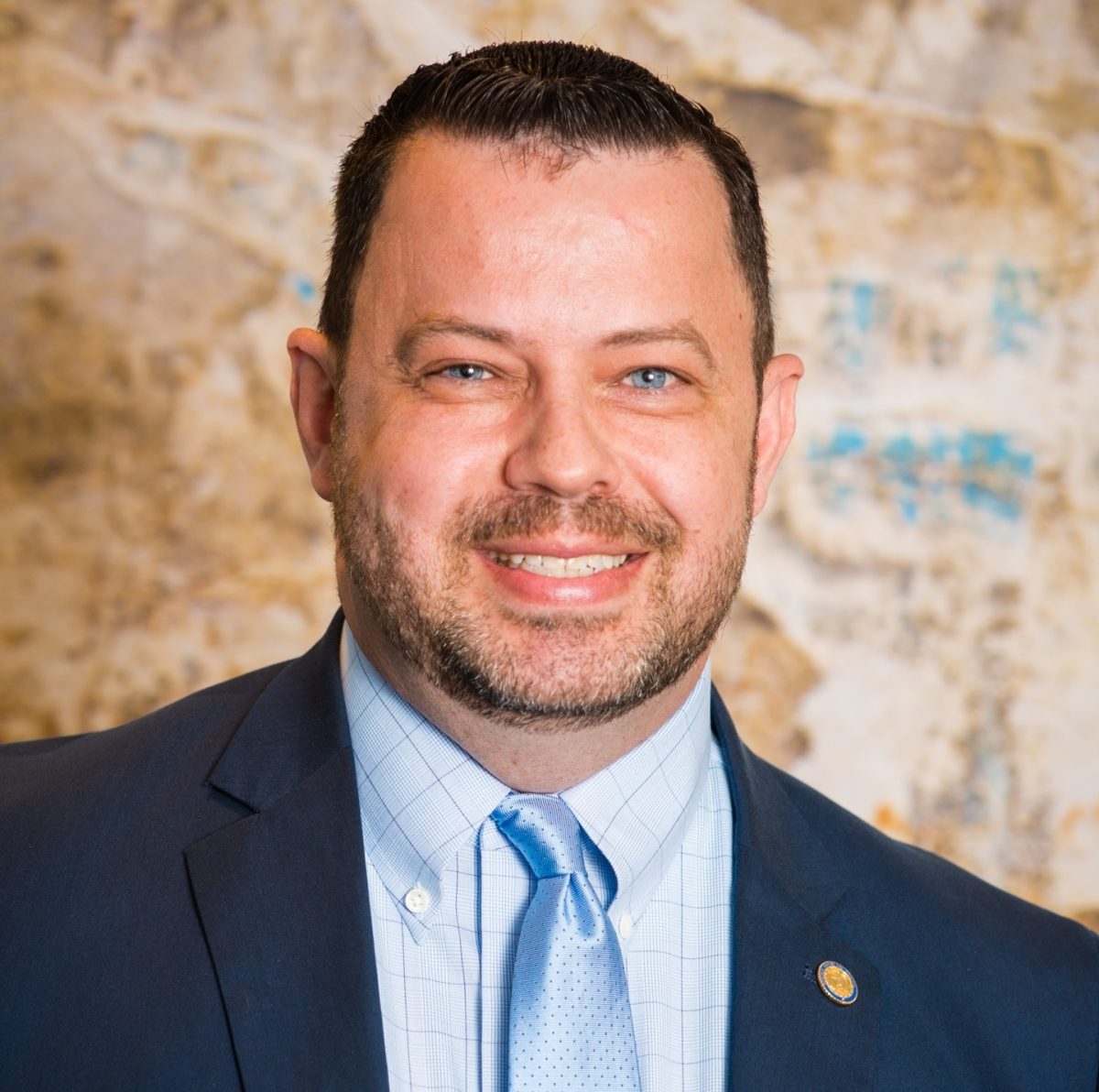
Bhattarai applied for Catalyst funding through the Wilson Center last year but was rejected. When he later spoke with Wilson Center Director Jeff Blanchard, Bhattarai learned that some Wilson Center Catalyst Fund reviewers were concerned about how the app sourced its data from NetNutrition, the dining service’s nutritional information system. They wanted the developers to work directly with Information Technology Services (ITS) instead.
“That would be a big undertaking, and I didn’t have the capacity,” Bhattarai said of switching to work with ITS and moving to different platforms and databases. He was already spending 10 to 15 hours per week running the app during the previous year.
To minimize costs, Bhattarai converted one of his personal laptops into a server running in his dorm room to keep the app functional. He also had to work around limitations of free services, using seven Gmail accounts to send notifications to the app’s over 1700 users due to service restrictions.
“Most people don’t realize that if I disappear tomorrow, the app stops working,” Bhattarai said.
As international students on F-1 visas, Bhattarai and Agrawal were solely allowed to source their funding within the college, as external grants were not allowed under their visa guidelines. The announcement of GrinEats’ closure generated significant student response. When the developers considered shutting down last year, over 400 students responded to a survey asking whether they should continue. This year, approximately 10 students reached out offering to take over the project.
Bhattarai said he had previously considered creating a student organization to maintain the app but logistical challenges and timing prevented this approach.
“It was a good learning experience for both Avaash and myself … how do I take an idea into something that can work and can be deployed, and then have a user base around it?” Agrawal said. “This was a passion project, and it would have died a long time ago if we didn’t receive the support from the Grinnell community.”
This article has been updated to clarify a statement about Bhattarai’s time commitment to GrinEats. Updated on September 14, 2025.