A new project house, Duels and Games (DAG) House, has forged its way from MacEachron Field to 1019 Park St., overtaking Art House’s former residence and project house status. Art House residents assumed that their house would remain a project house after resubmitting a housing application for the 2025-26 academic year, but in an email sent to the student body on March 28, Residence Life (ResLife) announced that they would be replaced by DAG House.
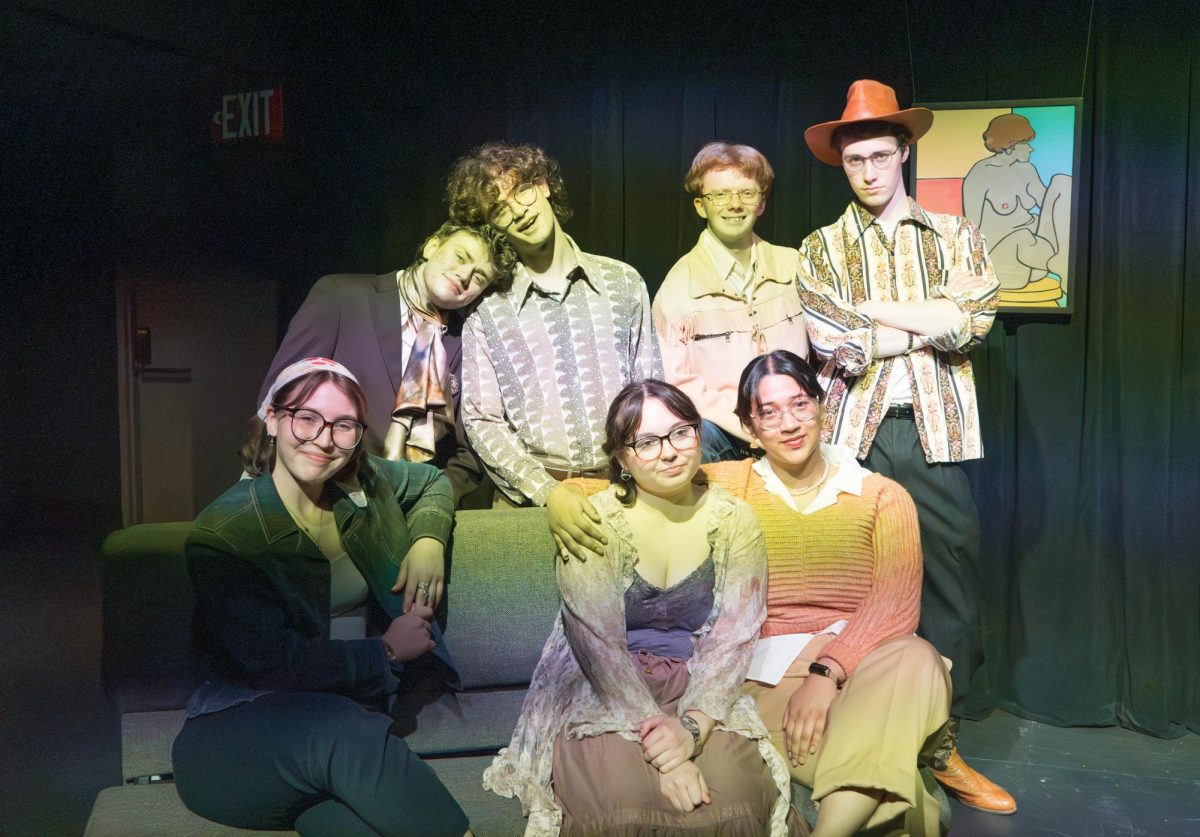
Around the same time that Art House was resubmitting their housing application, Boston Gunderson `26 expressed interest in creating DAG House. She knew that the application opened in February from a graduated DAG member who attempted to apply for a house the year prior. When Gunderson spoke to a ResLife employee in February, she said that the employee told her there were no new project house applications for the 2025-26 academic year.
A few days later, she received an email from that same employee letting Gunderson know about the application. She said she had two days to fill it out. Gunderson was later granted an interview with ResLife and at the end of March, she was notified she was to be the new DAG House Coordinator.
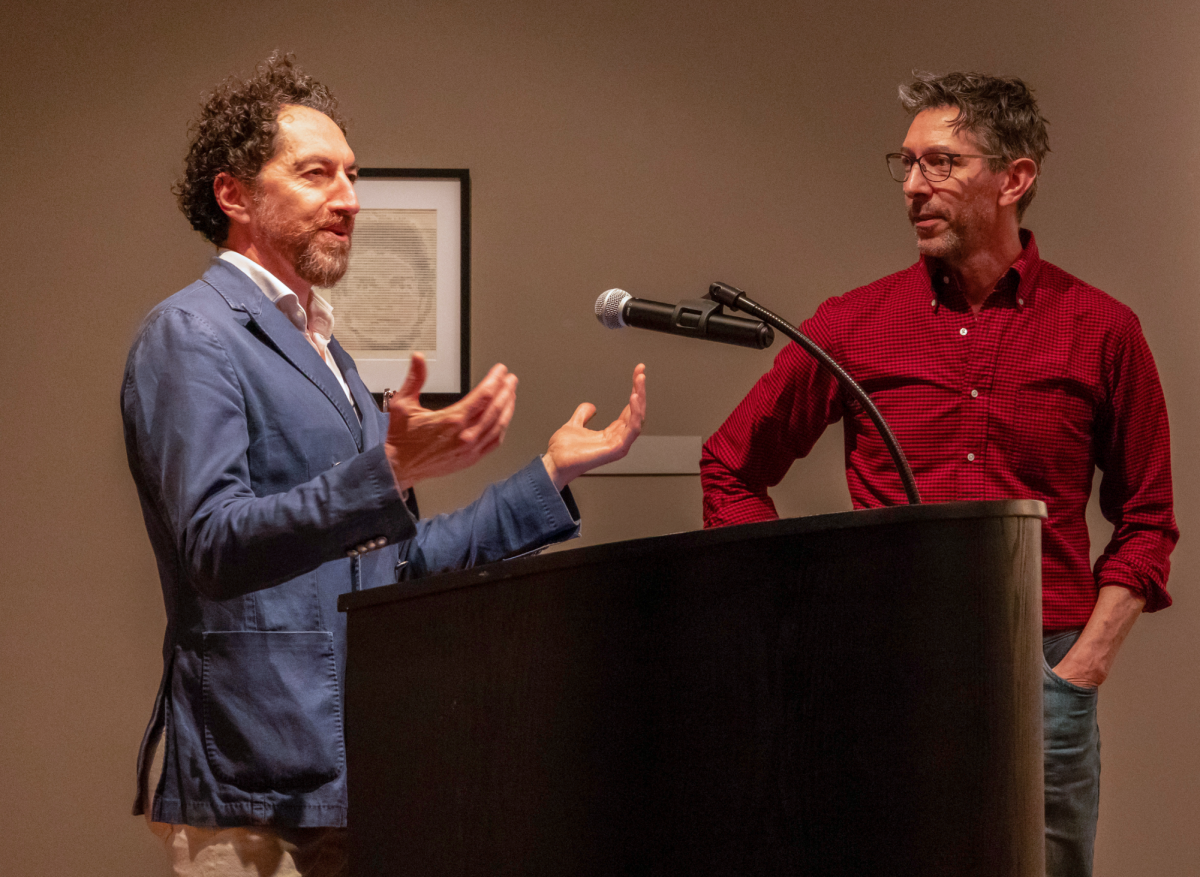
Dennis Perkins, assistant dean of Residence Life & Student Conduct, said that Art House’s proposed goals as a project house had not been achieved in his time at the College, which was a reason for the house’s dissolution.
“I had already decided there probably wouldn’t be an Art House,” Perkins said of his selection process for this academic year’s housing.
“Art House, underneath their philosophy, what they want to do is to work with the art department on campus to bring in speakers, talk about art, display art and take students out to galleries,” Perkins added. “The programming, from ResLife’s perspective, did not happen.”
He said he heard many comments from students regarding a lack of campus community events hosted by Art House.
When Gunderson finished the application process, Perkins said he recognized the benefit of allowing DAG House to replace Art House. At the time of selection, Perkins said that he did not know what project would come into fruition instead of Art House.
“DAG emailed and said [they] would like to vie for a house, so I said yes, we’ll hear your pitch. We did that, went through it, and we liked them. We said, OK, these folks have already interviewed, so it was easy to put them in there,” he said.
Throughout the decision making process, Perkins said he recognized how students expected one outcome without knowing Art House’s fate. “My colleagues will say, ‘Oh, Dennis is famous for saying there are multiple truths,’ and at the time, there were multiple truths.”
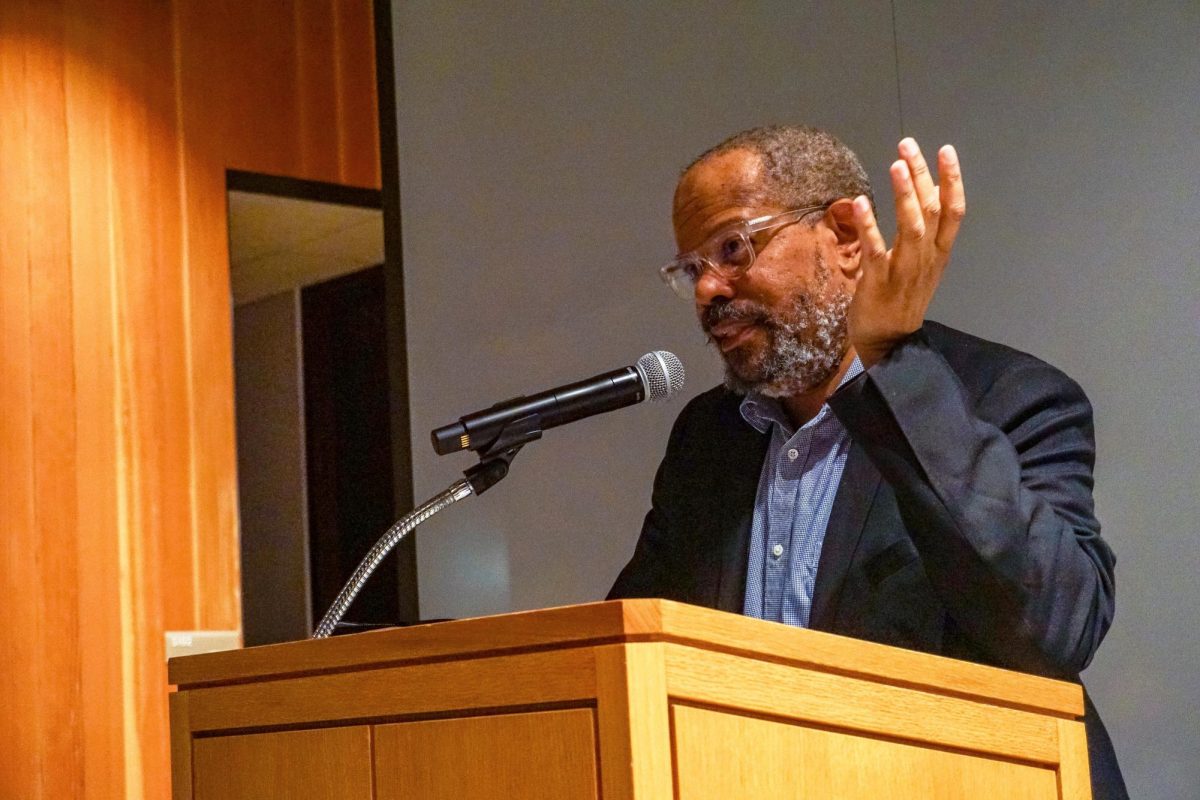
But two Art House residents said that there was campus community value in the house. Shira Sheppard `27, a former Art House resident, said, “Art House was a great non-academic environment for art. Most of the residents weren’t art majors, and so it just provided a nice outlet and community space that is no longer available.”
“Each individual in Art House was friendly, and it was a very good experience,” another former resident, Zachary Bressler `26, said.
Although he had not planned to reapply the following year, Bressler said that he was still invested in the house. “It was kind of surprising to lose the house,” he said. “There was no communication at all, which I think is the biggest problem,” Bressler said.
Sheppard said that several Art House residents would have been interested in staying for the 2025-26 academic year and that many other residents “would have appreciated if ResLife had at least told us … before the deadlines for other special rooms had closed, because the people who want to live in a house might be the same people who might want to live in other non-basic dorm situations.”
Perkins said he understands the unintended consequences that ResLife’s lack of communication had on Art House residents.
He attributed this lack to “too many processes going on at one time,” such as the implementation of affinity spaces and the finalization of Renfrow Hall, and the fact that, at the time, there was no associate director of housing operations. He emphasized that ResLife wants to improve their communication moving forward.
Gunderson said that she and DAG House residents recognize the historical legacy of Art House, especially as Gunderson herself has friends whose handprints adorn the front porch — a relic from Art House’s final farewell event.
She said that DAG House would rather build on what is already there and “change the things that need improvement.” Accordingly, Gunderson said DAG will not alter the back porch, a key community effort initiated in 2021 to make Art House known. She said they hope to adjust some portions of the front to solidify the DAG theme.